
Here are 10 legendary locations worth adding to your guide. Before you go, set a budget in the travel budget calculator, compare seasons in the best travel season guide, and add a Japan eSIM plus travel insurance — it makes booking flights and Tokyo–Osaka shinkansen tickets easier.
If you combine anime spots with a multi-city vacation, use Tokyo as your base — most locations below are in the capital region. Snacks between stops: see the konbini budget guide and Japan & Korea food guide. For other pop-culture trips, try the K-drama filming locations guide.
Top 10 iconic spots from popular anime
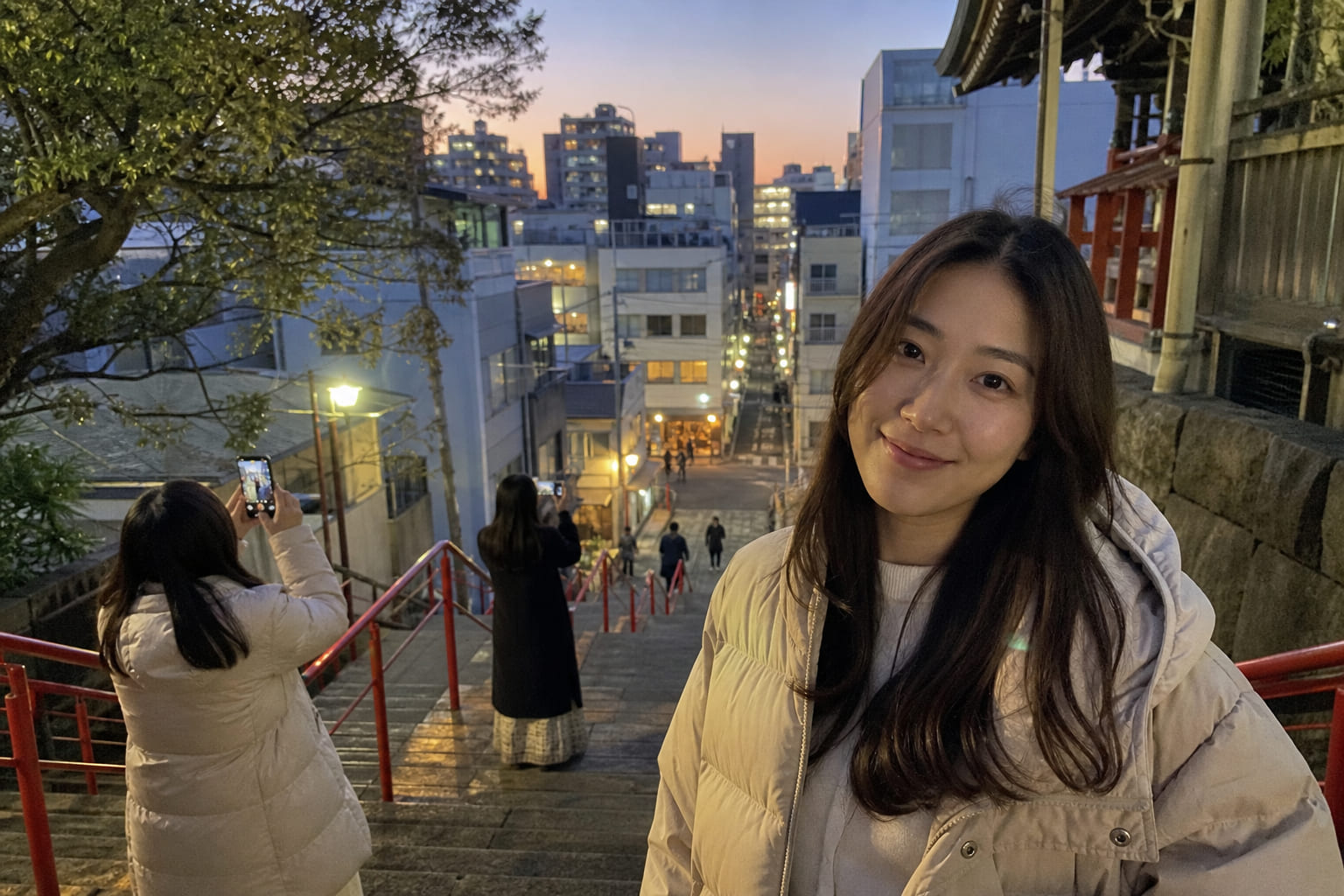
1. Your Name — Suga Shrine staircase
Red railings where Taki and Mitsuha finally meet
Station: Yotsuya
The most recognizable location in modern Japanese film tourism — the red railings where the protagonists meet at last. Shinjuku, Suga Shrine.
Tip: arrive early or face a long photo queue. Stay in a Shinjuku hotel to walk over at sunrise.
2. Death Note — University of Tokyo
Campus where Light Yagami and L took entrance exams
Station: Hongo-sanchome
A cult spot for the intellectual showdown. Light Yagami and L took exams and gave enrollment speeches on the Todai Hongo campus.
Tip: Gothic architecture and the ginkgo alley look especially atmospheric in autumn. Pair with free walks from the free activities guide.
3. Akira — Neo-Tokyo and the Olympic Stadium
Cyberpunk that predicted Tokyo 2020
Station: Kokuritsu-Kyogijo / Shinjuku
The 1988 masterpiece famously predicted the 2020 Tokyo Olympics. Fans visit the National Stadium area and head to neon Shinjuku — Kabukicho — for Neo-Tokyo vibes.
For night shots see the travel vlog guide. A ready-made capital plan: 3-day budget Tokyo route.
4. Jujutsu Kaisen — Shibuya
The Shibuya Incident arc and real geography
Station: Shibuya
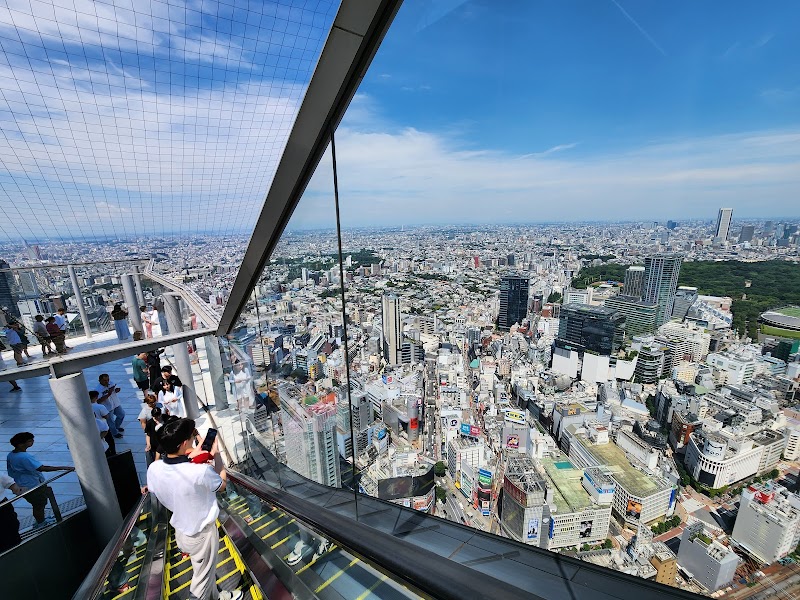
The arc reproduces one of the world's busiest districts with frightening accuracy. Key spot: Shibuya Hikarie, where Satoru Gojo entered in the story.
Shibuya Crossing is a must for any solo traveler. Book a night Tokyo tour for neon-heavy routes.
5. Slam Dunk — Enoshima coastal crossing
Railway crossing from the opening credits
Station: Kamakurakōkō-Mae (Enoshima Electric Railway)
The iconic crossing against the ocean from the opening draws crowds daily. Kamakura is about an hour from Tokyo.
A classic seichi junrei day trip on a local train. Combine with Kamakura temples and lunch from the food guide.
6. Tokyo Revengers — Kamata Station
Street gangs and suburban Tokyo aesthetics
Station: Kamata (JR Keihin-Tohoku)
The spirit of street gangs and outer-Tokyo aesthetics comes through best in Kamata, where many scenes were set.
Kamata is a quiet stop off the main tourist trail — easy to slot into a week-long Tokyo plan.
7. Demon Slayer — Asakusa
Streets where Tanjiro first met Muzan
Station: Asakusa
Though set in the Taisho era, you can walk the same Asakusa streets in Tokyo. Hardcore fans can add Kamado Shrine in Fukuoka Prefecture on a separate western Japan leg.
Asakusa pairs with Senso-ji and street food — see budget snacks in Asia.
8. Neon Genesis Evangelion — Hakone (Tokyo-3)
Hot-spring resort that inspired the fortress city
Station: Hakone-Yumoto / Odawara
Tokyo-3 was modeled on a popular onsen resort town. Hakone still has Eva references, shops, and souvenirs — about 1.5 hours from Tokyo by train.
Pair with a Hakone ryokan as a day trip from a week in Tokyo.
9. Princess Mononoke — Yakushima cedar forests
Ancient woods that inspired Ghibli's primal world
Station: Yakushima (flight / ferry from Kyushu)
Moss-covered ancient cedars directly inspired the primal world in the Ghibli masterpiece. The island south of Kyushu is a separate pilgrimage for nature and anime fans.
Plan 2–3 days and a domestic flight; logistics are easier to bundle in AlpacaBag after a Tokyo + Kansai block.
10. Detective Conan — Dotonbori, Osaka
Neon signs and Kansai bridges
Station: Namba / Osaka-Namba
Conan often solves cases against real Kansai backdrops. Dotonbori neon and Tsutenkaku Tower appear regularly as “crime scenes” in the series.
Ready-made Osaka plan: 3-day budget route. Reach it from Tokyo by shinkansen.
How to connect these spots in one AlpacaBag route
The main problem with anime tourism is logistics. On screen characters teleport; in real life locations stretch from Shibuya crossings to remote prefectures. DIY planning easily burns half your vacation on transfers and expensive shinkansen tickets.
That is what AlpacaBag is for. You enter anime titles or specific locations — the AI assistant:
- calculates an optimal path without duplicated routes;
- weaves anime stops into a classic program (temple + “that” staircase);
- shows travel time and helps optimize transport budget.
Stop juggling spreadsheets — pick your favorite titles and leave the pilgrimage details to the AlpacaBag route builder. Saving tips: how to save money while traveling.
Location summary table
| Anime | Location | City | Tip |
|---|---|---|---|
| Your Name | Suga Shrine staircase | Tokyo, Shinjuku | Yotsuya Station; arrive early — photo queues build fast |
| Death Note | University of Tokyo campus | Tokyo, Hongo | Hongo-sanchome Station; ginkgo alley is stunning in autumn |
| Akira | National Stadium, Kabukicho | Tokyo | Kokuritsu-Kyogijo + neon Shinjuku at night |
| Jujutsu Kaisen | Shibuya, Shibuya Hikarie | Tokyo | Shibuya Station; crossing and mall from the Shibuya Incident arc |
| Slam Dunk | Coastal railway crossing | Kamakura | Kamakurakōkō-Mae on Enoshima line; ~1 hour from Tokyo |
| Tokyo Revengers | Kamata Station | Tokyo | JR Keihin-Tohoku; suburban street aesthetic from the series |
| Demon Slayer | Asakusa | Tokyo | Taisho-era streets; Kamado Shrine in Fukuoka for hardcore fans |
| Neon Genesis Evangelion | Hakone (Tokyo-3 prototype) | Hakone | ~1.5 h from Tokyo; Eva shops and references throughout town |
| Princess Mononoke | Cedar forests | Yakushima Island | South of Kyushu; a separate trip for devoted Ghibli fans |
| Detective Conan | Dotonbori, Tsutenkaku | Osaka | Neon signs and bridges — classic Kansai film tourism |
Build your Japan anime-location route
Set Tokyo, Kamakura, Osaka, and Hakone days — AlpacaBag links seichi junrei with classic sightseeing without wasted transfers.
Ready-made routes
Routes for your destination
Day-by-day plans you can adapt to your dates right away.
FAQ
What is seichi junrei in Japan?
Seichi junrei (聖地巡礼) means “pilgrimage to sacred places” — visiting real locations from anime, manga, or games. It is a full travel genre with fan maps, photo queues at iconic angles, and dedicated guides — from the Your Name staircase to the Slam Dunk railway crossing.
How many days do you need for an anime-location route in Japan?
Plan at least 7–10 days: 4–5 days in Tokyo and nearby spots (Shibuya, Asakusa, Kamakura as a day trip), 1–2 days in Osaka (Dotonbori), optional Hakone, and Yakushima as a separate add-on. Most top locations sit in the Kanto region.
Can you visit all 10 spots in one trip without wasted transfers?
Yes, if you group by region: a Tokyo block (6–7 locations), one Kamakura day, Osaka by shinkansen, Hakone as a day trip. Yakushima needs a flight and its own planning. AlpacaBag helps order days without backtracking.
Do you need a JR Pass for an anime tour of Japan?
For Tokyo — Kamakura — Osaka, a 7-day Japan Rail Pass or regional pass often pays off. Short hops inside Tokyo use Suica/PASMO. Compare shinkansen and local fares in a budget calculator before buying a pass.