Preview part of the route and get the full personalized plan with a PDF in AlpacaBag.
Open part of the route
✈️ Tokyo, Japan — June 17, 2026
Welcome to your bespoke culinary expedition through the heart of Japan. This intensive one-day food tour is meticulously crafted for two flavor-seekers, blending ancient Edo traditions with the vibrant, neon-soaked izakaya culture of modern Tokyo.
🌤 Weather summary and notes
🌤 WEATHER SUMMARY & NUANCES: Expect a classic June day in Tokyo: humid and warm (+21°C to +26°C) with a high probability of rain due to the Tsuyu season. Clothing: Wear breathable, quick-dry fabrics and comfortable waterproof shoes. Pro Tip: Carry a sturdy folding umbrella or buy a transparent "konbini" umbrella at any 7-Eleven. The high humidity makes it feel like a sauna, so stay hydrated with cold tea from vending machines. The rain actually enhances the atmosphere of the neon-lit alleys and the blooming hydrangeas at the temples.
💰 Trip budget
💱 Exchange Rate: 1 USD ≈ 160 JPY (Forecast for 17.06.2026) Total Amount: $216.00 / ¥34,560 🏡 Accommodation (1 Night): $85.00 (Average based on selected options) 🗺️ Daily Expenses: $108.00 (Food tour, lockers, cover charges, transport) 🛡️ Contingency Fund (12%): $23.00 (For umbrellas, vending machines, or emergency taxis) Желаем вам потрясающего путешествия и незабываемых эмоций! Не забудьте проверить актуальные часы работы локаций и забронировать билеты за пару дней до вылета. Расчет бюджета носит ознакомительный характер.
🏨 Hotel recommendations
Imano Tokyo Hostel (Boutique Hostel) · Strategic Location: 10-min walk from Golden Gai. Perfect for late-night dining without worrying about the last train. Offers rare private twin rooms. · $80 / ¥12,800
Hotel Sardonyx Ueno (Business Hotel) · Market Proximity: 3-min walk to Ameyoko Market. Larger rooms than average and complimentary light breakfast to save budget for street food. · $115 / ¥18,400
Nine Hours Shinjuku (Designer Capsule) · Futuristic Efficiency: Ideal for a 1-day stay where you only need a shower and a pod after the bars. Maximizes your food budget. · $50 / ¥8,000
1
Historic Sweets & Neon Alleyways
2026-06-17
13:00
Tokyo Station
Open 24/7
The red-brick facade of this 1914 landmark hides a subterranean world of food. It’s the gateway to Tokyo, blending Imperial history with futuristic transit. The station survived the 1923 earthquake and WWII bombings. Official site: Tokyo Station City
Don't miss
Look for the "Zero Kilometer" markers on the platforms—the symbolic center of Japan's rail network.
Keep an eye out for the retro-style yellow trains on the Ginza Line, the oldest subway line in Asia.
14:00
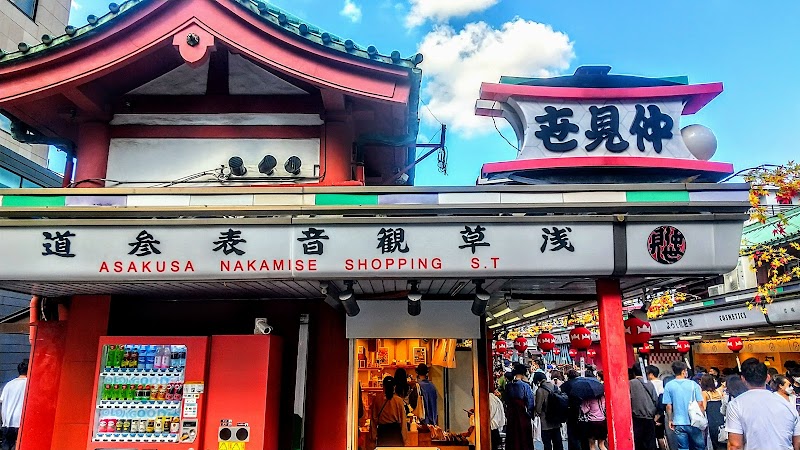
Nakamise-dori & Senso-ji
Temple: 06:00–17:00; Shops: 09:00–19:00
A 250-meter approach to Tokyo's oldest temple, lined with stalls serving snacks since the 18th century. The giant red lantern at Kaminarimon Gate weighs 700kg. The temple is dedicated to Kannon, the goddess of mercy, whose statue was found by two fishermen in the Sumida River. Official site: Senso-ji
Don't miss
Walk to the side gardens to see the hydrangeas (Ajisai) blooming; they look most vibrant in the rain.
Easter Egg: Walk to the side gardens to see the hydrangeas (Ajisai) blooming; they look most vibrant in the rain.
Exit Ueno Station via the "Central Gate" to see the massive murals depicting local festivals.
16:00
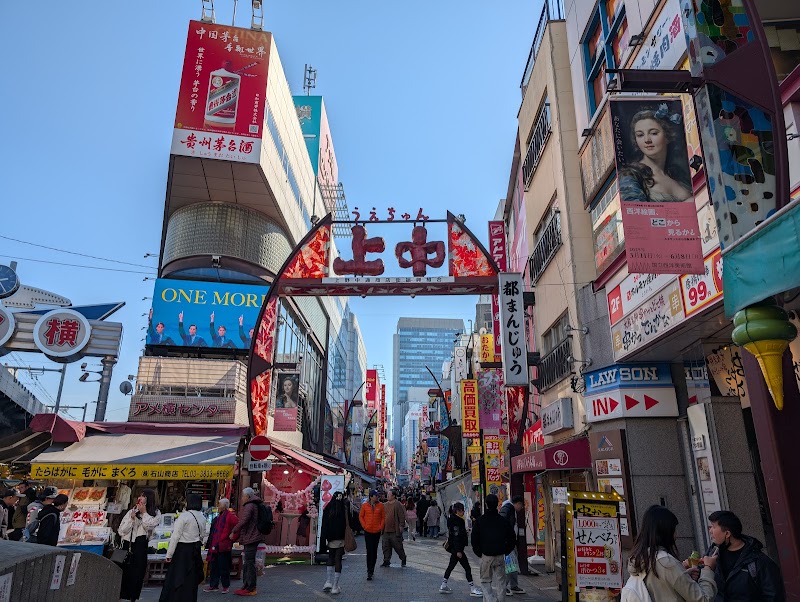
Ameyoko Market
10:00–20:00
A chaotic, vibrant street market that originated as a black market for sugar and American goods after WWII. It’s the best place to see "shouting" vendors and try street food. The name "Ameyoko" is short for "Ameya Yokocho" (Candy Store Alley). Official site: Ameyoko
Don't miss
Find the basement of the Ameyoko Center Building (4-7-8 Ueno) for a "Little Asia" market with ingredients you won't find anywhere else in Tokyo.
At Shinjuku Station, try to find the "Suica Penguin" statue near the New South Gate for a quick photo op.
18:45
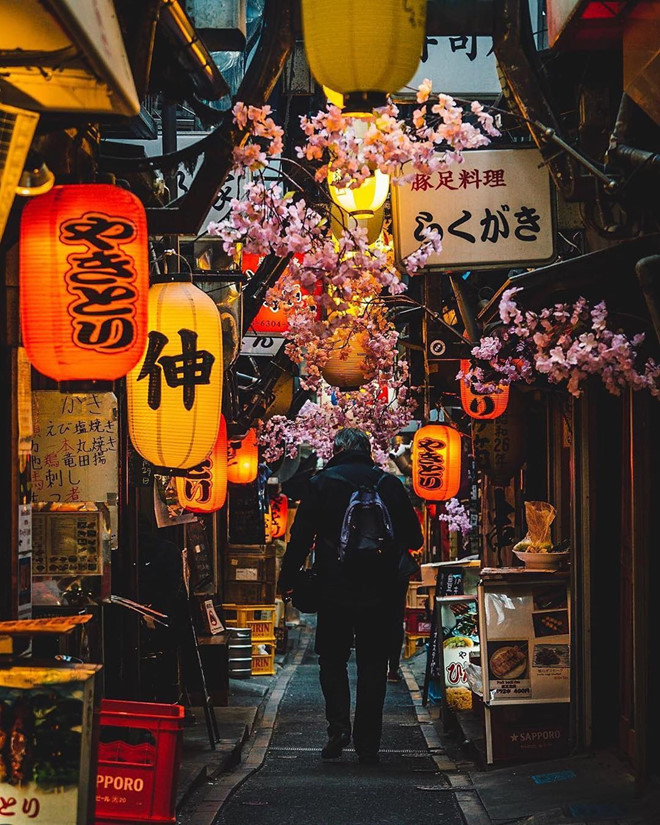
Omoide Yokocho
16:00–24:00
A narrow alley frozen in the 1940s, filled with the scent of charcoal-grilled chicken and nostalgia. It’s the ultimate spot for an authentic "salaryman" dinner experience. Despite its nickname "Piss Alley," it is now one of the most photographed and beloved food spots in the city. Official site: Omoide Yokocho
Don't miss
Look for the tiny green "frog" signs—they mark the entrance to the alley.
Dinner. Most stalls seat only 5-8 people.
20:15
🚶 Walk to Golden Gai
A 10-minute walk through the neon heart of Shinjuku.
Don't miss
Pass through the "Mosaic Street" for a view of the Shinjuku skyline framed by seasonal decorations.
20:30
Shinjuku Golden Gai
20:00–05:00
A cluster of six tiny alleys with over 200 miniature bars, each with its own unique theme (from jazz to horror movies). It’s a sanctuary for artists and writers. Most bars are only about 10 square meters in size. Official site: Golden Gai
Don't miss
Look for the steep wooden stairs leading to second-floor bars—they feel like secret treehouses.
The Chuo Line is the fastest way back, taking only 15 minutes.
22:30
Tokyo Station
Open 24/7
Retrieve luggage and prepare for departure.
Don't miss
Check the "Gransta" area if you need a last-minute high-end bento for your journey.
💳 Day budget
💰 Бюджет дня: $108.00 (Includes $17.50 for attractions/services, $82.50 for the full Food Tour experience, and $8.00 for local transport).
🍽 Where to eat
Kameya (1-2-7 Nishi-Shinjuku, Shinjuku) — Located inside Omoide Yokocho , this legendary standing-only shop is famous for its Tiansoba (soba with tempura and a soft-boiled egg). It's cheap, fast, and incredibly flavorful.
Minatoya Food (4-9-15 Ueno, Taito) — Located in Ameyoko Market , this stall is a budget traveler's dream for fresh Kaisendon (seafood bowls) and Takoyaki. According to reviews, the octopus balls are crispy on the outside and molten inside, but check the daily specials.
Ramen Nagi (1-1-10 Kabukicho, Shinjuku) — Tucked away on the second floor of a tiny building in Golden Gai , this place is world-renowned for its intense Niboshi (dried sardine) broth. Be prepared for a narrow staircase and a powerful umami punch.
Asakusa Kagetsudo (2-7-13 Asakusa, Taito) — Right next to Senso-ji , famous for "Jumbo Melon Pan" (sweet bread). They ferment the dough for 3 hours to make it extra fluffy. Perfect for a mid-afternoon snack.
🎁 Souvenirs
Nakamise-dori Stalls (Asakusa) — Buy Edo-kiriko (cut glass) or traditional folding fans ( sensu ).
Niki no Kashi (4-1-8 Ueno) — Located in Ameyoko , this is a massive discount candy store. It's the best place to buy Kit-Kat flavors (like Matcha or Sake) and Japanese snacks in bulk for cheap.
Tokyo Banana / Character Street (Tokyo Station Basement) — The ultimate spot for "Tokyo Banana" cakes and themed merchandise (Pokemon, Ghibli) before you leave.
Luggage: Tokyo Station coin lockers fill up fast. If the main ones are full, head to the "JR East Travel Service Center" for manual luggage storage.
Transport: Use a Suica or Pasmo card (or the digital version on your phone) to avoid buying individual paper tickets. It works for all trains and even vending machines.
🚕 Logistics notes
Transport: Use a Suica or Pasmo card (or the digital version on your phone) to avoid buying individual paper tickets. It works for all trains and even vending machines.
Adapt this route to your trip in 1 minute
The route is ready — add your dates and budget
AlpacaBag adapts this plan to your trip: days, logistics, map stops, budget, and a PDF guide without juggling dozens of tabs.