
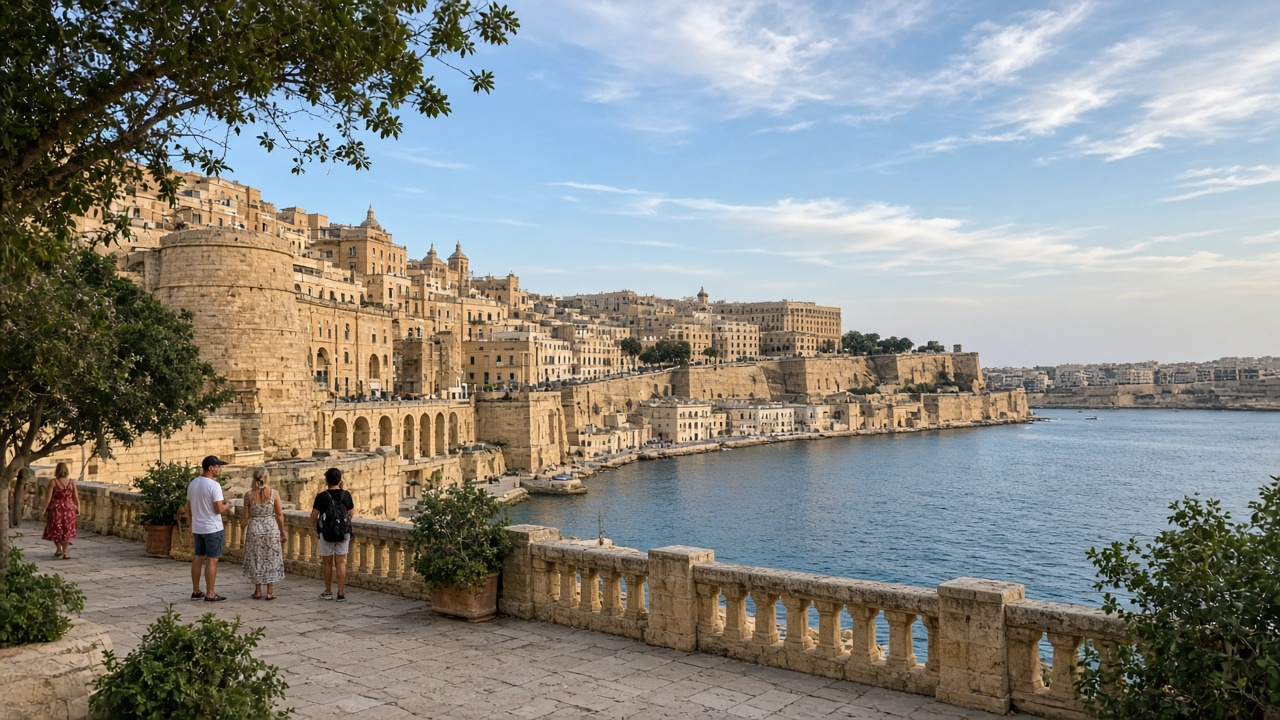
Valletta and the Three Cities: start with the harbour
Valletta is compact: it is less than two kilometres from City Gate to Fort St Elmo. Begin at Upper Barrakka Gardens, descend toward the waterfront, then walk to St John’s Co-Cathedral and the Grandmaster’s Palace. The cathedral holds Caravaggio’s “Beheading of Saint John the Baptist”, his only signed painting. Check current admission and hours through the cathedral’s official channels.
After lunch, take a ferry or dgħajsa across to Birgu. Together with Senglea and Cospicua it forms the Three Cities — the quieter side of the Grand Harbour, where the Knights’ fortifications make more sense. The first-time Valletta route gives you a practical stop order.
Mdina and Rabat: the silent city and what lies outside
Mdina, Malta’s former capital, is almost entirely pedestrian. Its gate, St Paul’s Cathedral, Palazzo Falson, and the bastions fit into a focused morning. Arrive by 09:00 or after 16:00; coach groups fill the narrow streets in between.
Rabat begins directly outside the walls, with St Paul’s Catacombs and the Domus Romana. Allow four to five hours for both towns, then continue to the Dingli Cliffs for sunset rather than squeezing in another museum.
Marsaxlokk, the Blue Grotto, and the ancient south
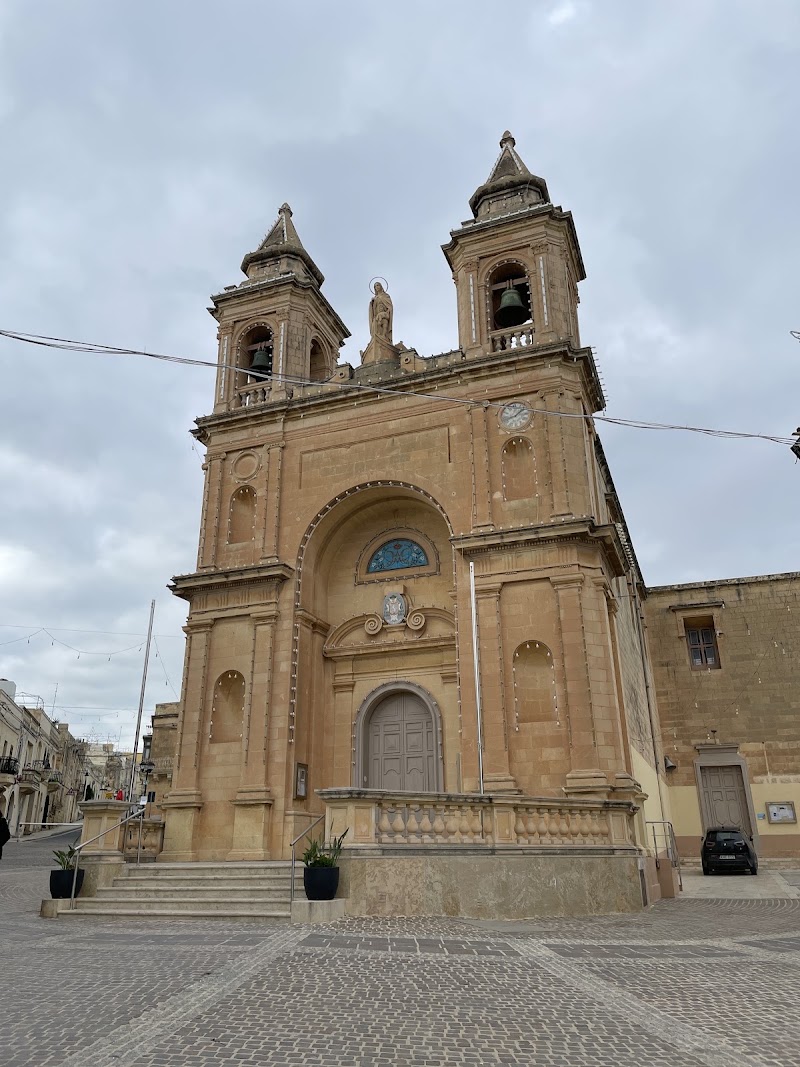
Marsaxlokk’s painted luzzu boats are Malta’s classic fishing-village image. The Sunday market is the largest, but a weekday morning gives you a calmer waterfront. Use the Marsaxlokk first-time route to combine the harbour with nearby stops.
The Blue Grotto is worth viewing from the upper lookout even if boats stop running in rough water. Nearby Ħaġar Qim and Mnajdra are Malta’s most practical megalithic pair. The Ħal Saflieni Hypogeum requires a separate official ticket far in advance; no affiliate checkout should be presented as its ticket office.
Gozo: the Citadel, temples, and a rugged coast
Gozo is a separate island, not a Malta suburb. From Mġarr harbour, start in Victoria: the Citadel gives you a full-circle view and a sense of scale. Then choose two stops rather than five — Ġgantija Temples, Ta’ Pinu Basilica, the Xwejni salt pans, or Xlendi Bay.
Buy Ġgantija admission through Heritage Malta’s official channels. An organised Gozo excursion simplifies transport, while travelling independently leaves more time for Victoria after the day-trip coaches depart.
Comino and the Blue Lagoon without the midday crush
Comino is nearly uninhabited, and most visitors come only for the Blue Lagoon. Between 11:00 and 15:00, boats overwhelm its narrow shore. The first sailing, a weekday, or arrival after 15:30 changes the experience more than the operator.
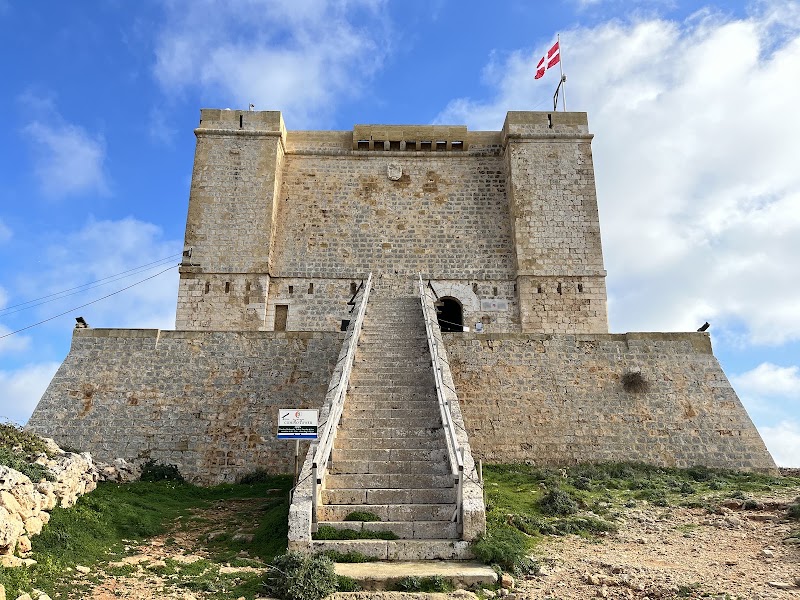
Walk beyond the landing point toward Santa Marija Bay or St Mary’s Tower. Shade is scarce, drinks are expensive, and limestone can be slippery. Check departures with the operator, then use the Comino first-time route to prioritise your limited time ashore.
Malta itineraries for 3 and 5 days
With three days, you need to choose Gozo or Comino. Five days let you keep both islands and avoid forcing Mdina and southern Malta into one long transfer day.
| Day | 3-day itinerary | 5-day itinerary |
|---|---|---|
| Day 1 | Valletta in the morning, ferry to the Three Cities for the evening | Valletta without rushing: cathedral, gardens, forts, and waterfront |
| Day 2 | Mdina and Rabat, then Marsaxlokk or the Blue Grotto | Mdina, Rabat, and sunset at the Dingli Cliffs |
| Day 3 | Gozo for history or Comino for the sea | Marsaxlokk, the Blue Grotto, and the southern temples |
| Day 4 | — | Gozo: Victoria, Ġgantija, and the western coast |
| Day 5 | — | Comino and the Blue Lagoon on an early boat |
Buses, ferries, rental cars, and transfers
Buses cover the main island, but most lines converge around Valletta: two nearby map points may still require a capital-city transfer. Ferries are faster between Valletta, Sliema, and the Three Cities. Gozo has a northern car ferry and a fast passenger service from Valletta.
A car helps in the south and on Gozo, but Malta drives on the left and old-town parking is limited. If you would rather not drive, compare buses and transfers. Before booking, also check flights, hotels, travel insurance, and an eSIM.
When to visit Malta and what to budget
April and May work for walking and green scenery; June brings swimmable water before peak heat; September and October are the best compromise. July and August mean queues, higher prices, and early starts. Winter keeps museums and cities open, but wind can cancel sea plans.
| Expense | Estimate | What it assumes |
|---|---|---|
| Accommodation | €70–160 | A double room outside peak weeks |
| Food | €30–55 | Cafés, pastizzi, and one substantial dinner |
| Transport | €8–35 | Buses and ferries, or part of a rental-car day |
| Museums and temples | €15–35 | Depends on your paid-site mix |
| Daily total per person | €85–170 | Excluding flights, sharing a room |
If you are choosing an island style rather than a country, compare Malta with Crete for a longer road trip and with Cyprus for a more beach-led holiday.
What to eat in Malta
- Pastizzi — flaky pastries filled with ricotta or peas.
- Fenkata — a substantial rabbit stew traditionally served for dinner.
- Ftira — Maltese bread with tuna, tomato, olives, and capers.
- Lampuki — seasonal fish most commonly seen on autumn menus.
- Ġbejniet — small Gozo cheeses, fresh or rolled in pepper.
Build Malta without wasting days in transit
Set your dates, pace, and interests — AlpacaBag will split Valletta, the islands, and southern Malta into practical days.
Ready-made routes
Routes for your destination
Day-by-day plans you can adapt to your dates right away.
FAQ
How many days do you need in Malta for a first trip?
Three days are the minimum for Valletta, Mdina, and one island day. Five days let you separate southern Malta, Gozo, and Comino instead of turning every day into a race.
Should I choose Gozo or Comino?
Choose Gozo for the Citadel, temples, villages, and a full sightseeing day. Choose Comino for swimming and the Blue Lagoon; outside the swimming season, Gozo is usually the stronger day trip.
Do I need a rental car in Malta?
A car is a burden in Valletta and the Three Cities but useful for cliffs, temples, and several southern stops in one day. Remember that Malta drives on the left and old-town parking is limited.
What is the best month to visit Malta?
April to May and late September to October offer warm sightseeing weather without July heat. June and September are more reliable for swimming; winter is mild but windy and ferry plans can change.
How do you see the Blue Lagoon without crowds?
Take the first boat or arrive after 15:30, avoid weekends, July, and August. Comino has very little shade, so water, a hat, and proper shoes matter more than beach equipment.