
Rental types: share apps vs specialist shops
Docomo Bike Share and Hello Cycling
Docomo Bike Share (often red e-assist bikes) is densest in central Tokyo. Hello Cycling spreads farther into suburbs and other cities, including Kyoto and Osaka — better when your day is not only Chiyoda–Shinjuku. Both run through apps: port maps, reservations, QR/PIN unlocks, and return-only-to-port rules.
Specialist hire (RBRJ and peers)
For long routes like Shimanami Kaido or a road-bike day, rent from a bike shop or tourist cycling desk: road, trekking, sometimes supported e-bikes. That is touring kit, not a 30-minute café hop. For car/moto logistics context, see the Japan car and motorcycle guide.
Prices and signup
Ballpark figures as of 2026-09-04 (always re-check): share rides often ~¥130–165 per 30 minutes; Docomo day passes roughly ¥1,650–2,200 at staffed points; road bikes ~¥3,000– 5,000+ per day. Expect an international card; for Docomo’s app, a Japanese number or the day-pass workaround.
| Item | Ballpark | Note |
|---|---|---|
| Bike share (30 min) | ~¥130–165 | Docomo Bike Share / Hello Cycling — check the live app tariff |
| Share day pass | ~¥1,650–2,200 | Docomo often sells staffed 1-day IC passes for cash |
| Specialist road bike / day | ~¥3,000–5,000+ | Model and deposit vary by shop |
| Paid station bike parking | from ~¥100–200 | Sidewalk dumping risks impound |
| Dessert / street snack stop | ¥500–1,200 | Bakeries and konbini make easy ride breaks |
Before you fly, set up an eSIM or Yesim — share apps need data. Book flights and hotels near return ports when you can.
Traffic rules and parking
Keep left. Sidewalk riding only where locally allowed, with pedestrians first. Use a light after dark; check brakes (often left rear / right front) and e-assist battery before you leave the port.
The tourist trap is illegal parking: cities tow bikes from station sidewalks. Use paid bike parking and share ports. A rear-wheel lock helps against casual theft but does not replace legal parking.
Trains, Shinkansen and rinko bags
Bring a private or touring hire bike only inside a rinko bag: wheels off or bike folded, nothing sticking out. On Tokaido/Sanyo/Kyushu Shinkansen, oversized luggage (>160 cm total) may need a reserved oversized-baggage seat under JR rules. Do not try to haul a city share bike between cities on the bullet train — end the session and re-rent locally.
Avoid rush hours (~7–9 and 17–19) when end-of-car space is scarce.
Where to ride: Tokyo, Kyoto, Osaka, Shimanami
Tokyo: Taito loops
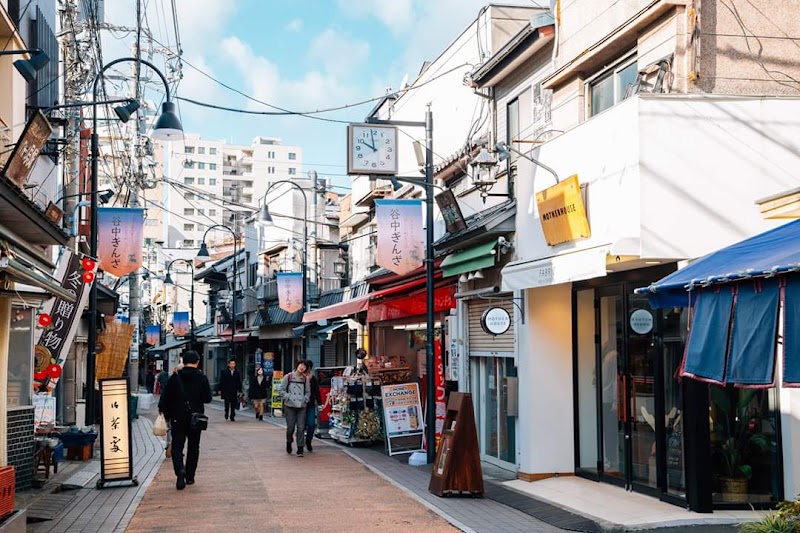
In Taito (Ueno, Asakusa, Sumida) share bikes cut metro hops between parks and temples. Bored of Shibuya? Pair ride days with Tokyo beyond Shibuya Crossing. Trip scaffold: Tokyo 3 days budget-friendly.
Kyoto and Osaka
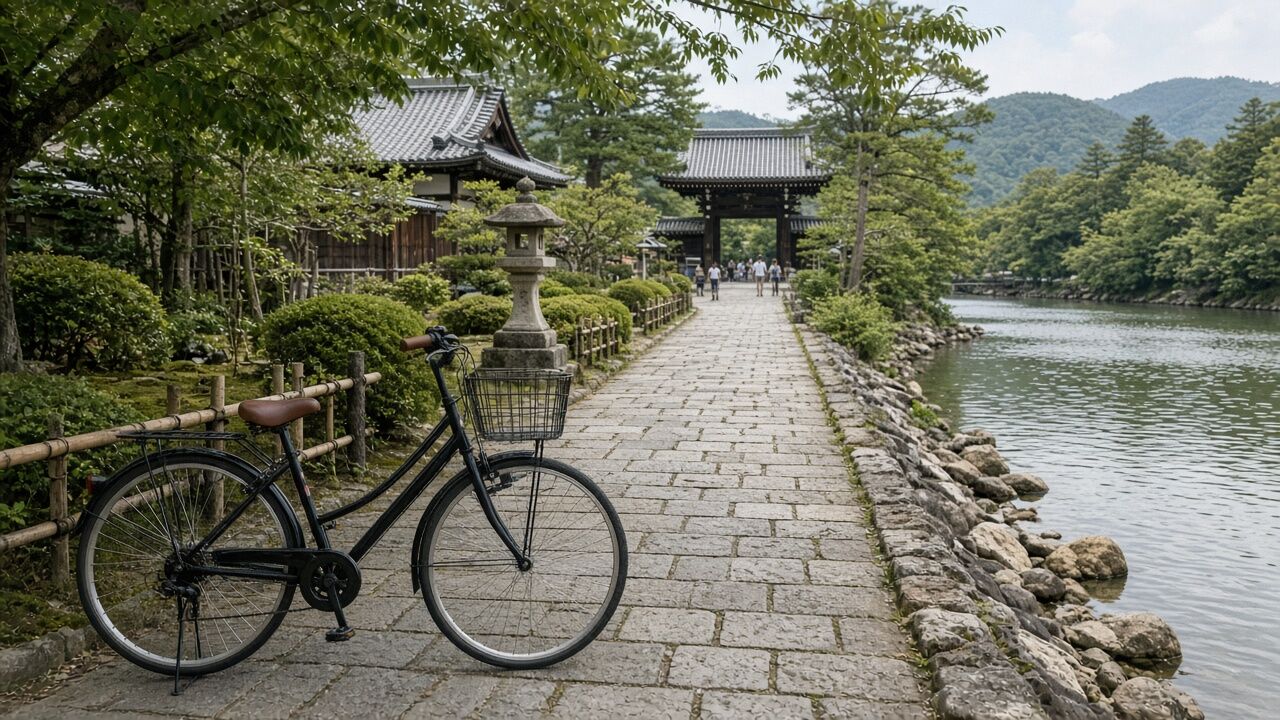
Kyoto classic on a mama-chari: Kinkaku-ji toward Arashiyama along the river (text anchors only — no interactive map). Temple context lives in the Kyoto temples guide. Osaka rewards riverside loops between food districts; Hello Cycling / local networks usually cover more ground. Scaffold: Kyoto 3 days budget-friendly.
Shimanami Kaido
The bridge-hopping Onomichi–Imabari classic needs a touring hire bike, not a city share dock. Build day timing in the AlpacaBag wizard. Anime pilgrims can combine rides with the seichi junrei locations guide.
Want a temples-and-river day without hand-picking pins?
Build itineraryDessert stops: cheesecake and street snacks
Plan short bakery or street-food pauses — Japanese cheesecake, cake slices, takoyaki, taiyaki — so mama-chari days do not turn into a grind. Budget snacks into the table above.
After the ride: onsen and legitimate massage
Finish long Shimanami or hilly Kyoto days with a proper onsen or mainstream massage — skip NSFW search-adjacent “services.” If you want a packaged transfer day, an excursion can be easier than hauling a touring bike through rush hour.
Ready-made routes
Routes for your destination
Day-by-day plans you can adapt to your dates right away.
FAQ
Do I need a Japanese phone number to rent a bike?
Docomo Bike Share’s app often requires a Japanese mobile number. Tourists can buy a 1-day IC pass at staffed sales points (usually cash). Hello Cycling advertises international numbers, but SMS verification can still fail abroad — test before your trip.
Can I leave a share bike anywhere?
No. Return it to a service port. If the port is full you cannot end the session — check return availability in the app before you arrive. Do not abandon bikes on sidewalks.
How do I take a bicycle on Japanese trains?
Private or hired touring bikes ride as luggage inside a rinko bag: wheels off / bike folded, nothing protruding. On some Shinkansen lines, bags over 160 cm total dimensions need an oversized-baggage seat reservation. City share bikes are not carried between cities on the bullet train.
Is sidewalk riding allowed?
Only where local rules allow it, and pedestrians always have priority. Traffic keeps left. Slow down on narrow streets and use your bell sparingly.
What should I check before riding?
Brakes (often left = rear, right = front), e-assist battery, a light for dusk, and a lock. On mama-chari city bikes, plan a calm tempo around temples and rivers.