
Moving between Havana, Viñales, Trinidad, and Varadero is not like hopping EU trains. Demand outruns supply on popular days, so book Viazul early or arrange a colectivo through your casa. Fold city days into a ready 3-day Havana architecture route or a Trinidad history itinerary.
Multi-stop trips work best with a clear city order — see our multi-city vacation planner guide. Season timing lives in our best time to travel guide.
Viazul buses
State company Viazul was built for foreign visitors. Coaches have air conditioning but can be aging — bring a light layer for the cabin. Buy tickets strictly in advance on the official site; seats often sell out before the trip.
Sample routes, times, and fares (paid on the site in USD):
| Route | Time | Price | Notes |
|---|---|---|---|
| Havana — Viñales | ~3.5–4 h | $12 | About 2 departures/day |
| Havana — Trinidad | ~6 h | $21 | Book early on peak days |
| Varadero — Viñales | ~7 h | $22 | 1 direct departure/day |
After the bus, base yourself with hotels or casas near the historic center and compare flights into Havana or Varadero. Offline maps and offline tickets: our smartphone travel checklist.
Colectivo taxis
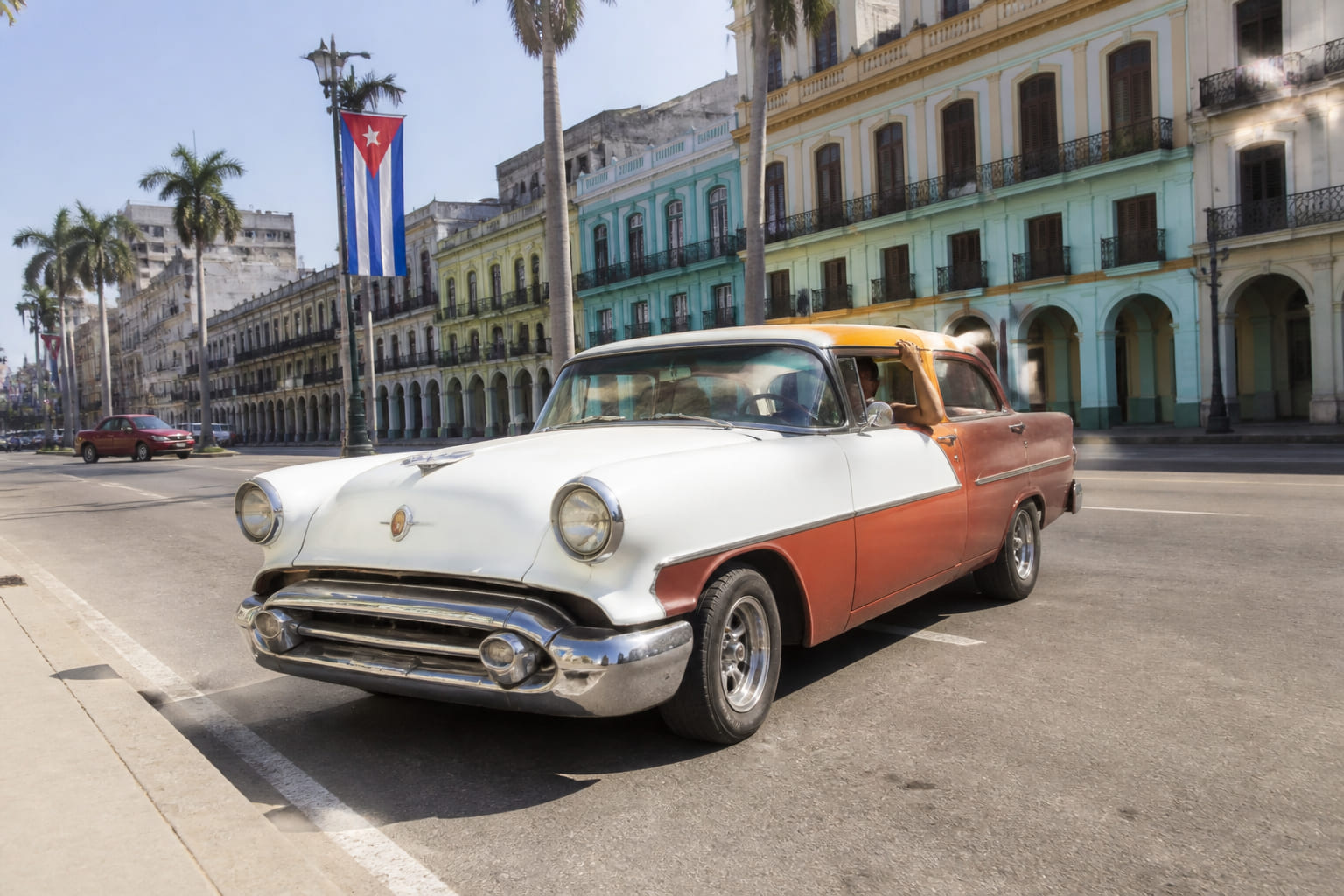
The most popular — and often faster — way between cities. Private (often classic) cars leave when seats fill, splitting the fare among passengers rather than running on a fixed timetable.
- Where to find them: drivers or coordinators gather near Viazul stations and central squares. Your casa particular host can usually call a car to the door.
- Prices: depend on distance and bargaining. A seat from Holguín toward Santiago de Cuba or beach areas often runs about $20–$40 per person.
Pair eastern Cuba days with a Trinidad architecture route if you loop west afterward. Budget ideas: how to save money while traveling.
Car rental
Renting a car gives maximum freedom — and a high price. In 2026, budget manuals start around $55/day; typical rates sit between $60 and $100 per day. Agencies often ask for card payment abroad in advance, then a cash deposit on site ($120–$350).
Fuel shortages and long gas-station queues are common. Rent only if you accept logistical friction. For comparison, smoother self-drive trips elsewhere: our California road trip guide. Cover the trip with travel insurance and an eSIM where coverage exists.
Places worth the ride
Havana offers the Malecón waterfront, the Capitolio, and Old Havana (UNESCO World Heritage). Beyond the capital: Viñales Valley with tobacco farms, Soroa waterfall, and colonial Trinidad and Cienfuegos. For unusual stops, try Cueva del Indio and Parque Natural Palenque de los Cimarrones.
Free and low-cost city tactics in our smart traveler free-sights guide. Another Americas city walk: Toronto travel guide. Local experiences via our excursion aggregator.
Where to eat
Cuba mixes state-run venues and private restaurants called paladares. In Havana, standouts include Paladar La Guarida, El Templete, and the famous bar La Bodeguita del Medio. In the provinces, try authentic spots like Finca Agroecológica El Paraíso in Viñales and Club Cienfuegos on the south coast.
Stays and meal budgets vary widely — context in our vacation accommodation prices guide. Long overland fans may also like grand railway journeys.
Tourist tips
- Bring cash euros — they are usually the easiest to exchange. Avoid street money changers.
- Pack a full first-aid kit: painkillers, stomach remedies, insect repellent, and sunscreen.
- Bring a universal adapter; standard voltage on the island is 110V.
- Print flight confirmations and photocopy passports in case you lose internet access.
Prep offline maps with our smartphone checklist and book flights plus accommodation before peak season fills up.
Build a Cuba route with transfers
Enter dates, cities, and pace in AlpacaBag — we'll sequence Havana, Viñales, Trinidad, and more with a PDF map.
Ready-made routes
Routes for your destination
Day-by-day plans you can adapt to your dates right away.

FAQ
What is the best way to travel between Cuban cities?
Most tourists combine Viazul buses (book online in advance) with colectivos — shared private cars that leave when full. Viazul is predictable; colectivos are often faster door-to-door.
How do I buy Viazul tickets?
Buy only on the official Viazul website, in USD, well before travel day. Seat supply often does not cover demand on popular routes like Havana–Trinidad.
Are colectivos safe for tourists?
They are the most common tourist option between cities. Arrange rides near Viazul terminals, central squares, or through your casa particular host rather than random street offers.
Is renting a car in Cuba worth it in 2026?
Only if you accept high daily rates ($55–$100+), a cash deposit ($120–$350), and frequent fuel shortages with long gas-station queues. Freedom is high; logistics are hard.
What currency should I bring for transport?
Bring cash euros for exchange; they are usually the most practical. Avoid street money changers. Viazul online tickets are paid in USD on the official site.
How do I plan a multi-city Cuba itinerary?
Fix the city sequence first (e.g. Havana → Viñales → Trinidad), then book Viazul seats or pre-arrange colectivos. AlpacaBag helps stitch transfers, sights, and a PDF map into one plan.