
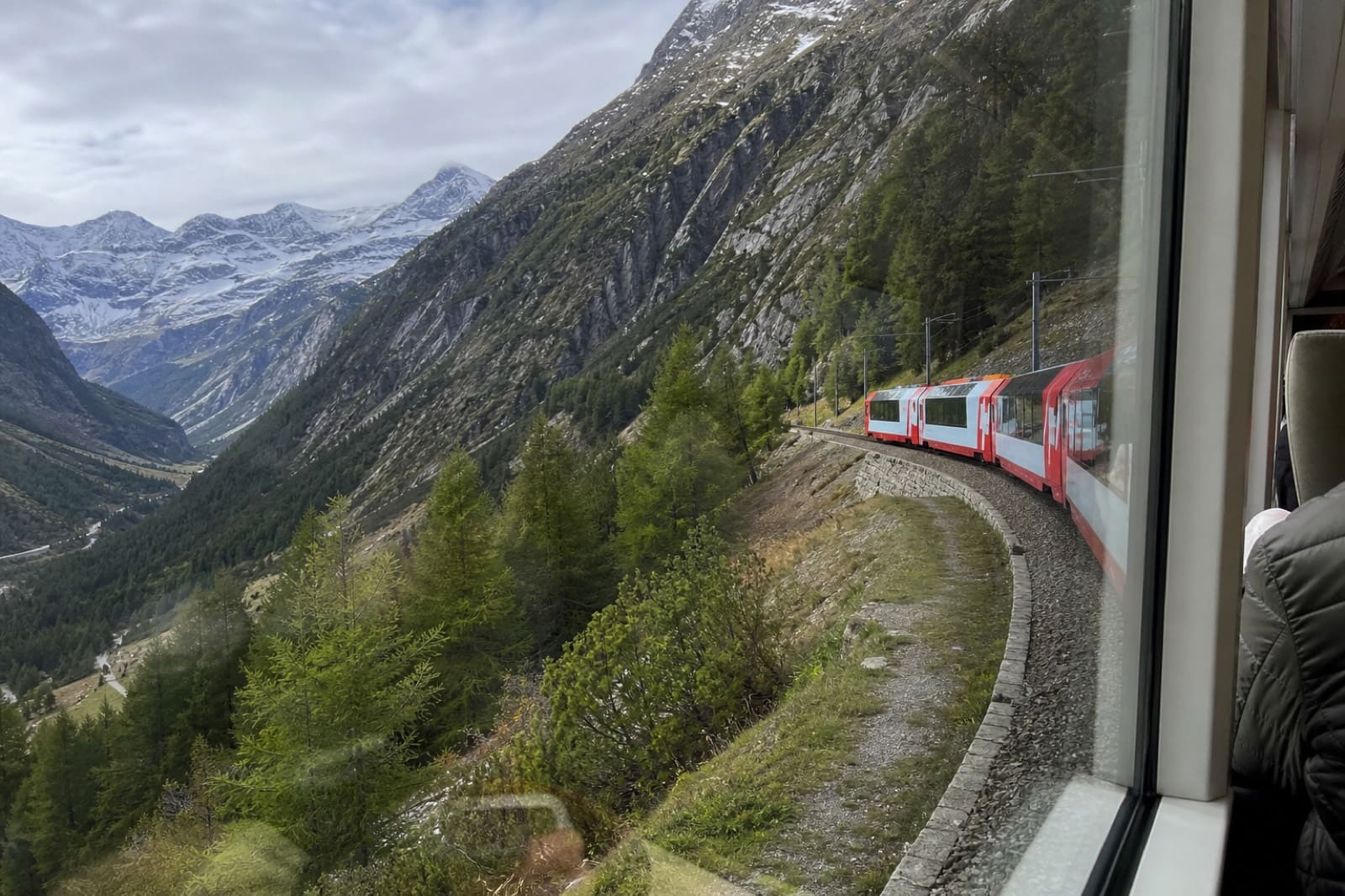
Luxury consists and high-speed corridors are both booming. This guide covers three trip types — everyday, luxury, and epic — plus booking, seat selection, and luggage tips. In Japan, Shinkansen pairs cleanly with ready-made plans: 3 days in Tokyo on a budget, 7 days in Kyoto, and 3 days in Osaka.
Before you go, compare flights to your rail hubs, book a hotel by the station, and set up an eSIM for connectivity on board. Budget with the trip calculator; timing with the best months to travel guide. For a local “commuter train as adventure” format, see the unusual Moscow Region by elektrichka guide. When the station itself is the attraction, read about the world’s largest KFC at Sabunchu station in Baku.
3 categories of railway journeys
Most rail trips fall into three buckets — each with a different vibe:
- Everyday. Routes locals use daily that still feel fresh to visitors — regional trains in Italy, India, or the Moscow suburbs.
- Luxury. Hotel-level service: panoramic glass, fine dining, private cabins.
- Epic. Multi-day adventures across continents or tough mountain ranges — connections need careful planning.
Multi-city loops with trains and flights are easier with the multi-city itinerary guide.
Rocky Mountaineer (Canada)
A luxury daytime train through the Canadian Rockies. The format is intentional: the train runs by day so you miss no views, with hotel overnights along the way. GoldLeaf cars are double-deck with a glass dome for 360° scenery. The classic run is Vancouver to Banff or Jasper.
Fly into Vancouver via flight comparison; overnight between segments with hotels near Rocky Mountaineer stops. For outdoor days, add travel insurance early.
Glacier Express (Switzerland)
Despite the “Express” name, it is one of the world’s slowest “fast” trains — about 39 km/h on average. It links Zermatt and St. Moritz. In roughly eight hours the train crosses 291 bridges and 91 tunnels. Winter snow is spectacular; panoramic windows deliver year-round.
Book seats with the best views early; resort-side tours via excursions and attraction tickets. Family pacing tips live in the family routes atlas.
Shinkansen high-speed trains (Japan)
Japan’s bullet trains set the bar for speed, safety, and punctuality — average annual delay often under a minute, with top speeds around 320 km/h. A Japan Rail Pass can pay off when you hop between hubs often.
A clean skeleton: a week in Tokyo → Shinkansen to Kyoto → 3 days in Osaka. Quieter Tokyo neighborhoods are in the Tokyo beyond Shibuya guide; mountain alternatives in the Japanese Alps guide. Stay by JR stations with hotels near the terminal and stay online with an eSIM for Japan.
Practical tips for train travel
- Book early. Glacier Express, Eastern & Oriental Express, and similar icons often sell out 3–6 months ahead.
- Pick your seat. Watch for sunny vs shady sides and windows facing ranges or coastline.
- Luggage. Weight limits are softer than airlines, but luxury trains often move big cases to a baggage car — keep a daypack handy. Packing ideas: how to pack a suitcase for a long trip.
- Combine with AI planning. In AlpacaBag, add a rail segment — timing and station-side hotels follow. Ready-made skeletons live in the route library; offbeat ideas in the unconventional destinations 2026 guide.
Build a railway itinerary in minutes
Set hubs — Vancouver, Zermatt, Tokyo, Kyoto — and trip style. Compare flights and station hotels, then generate a plan with trains.
Ready-made routes
Routes for your destination
Day-by-day plans you can adapt to your dates right away.
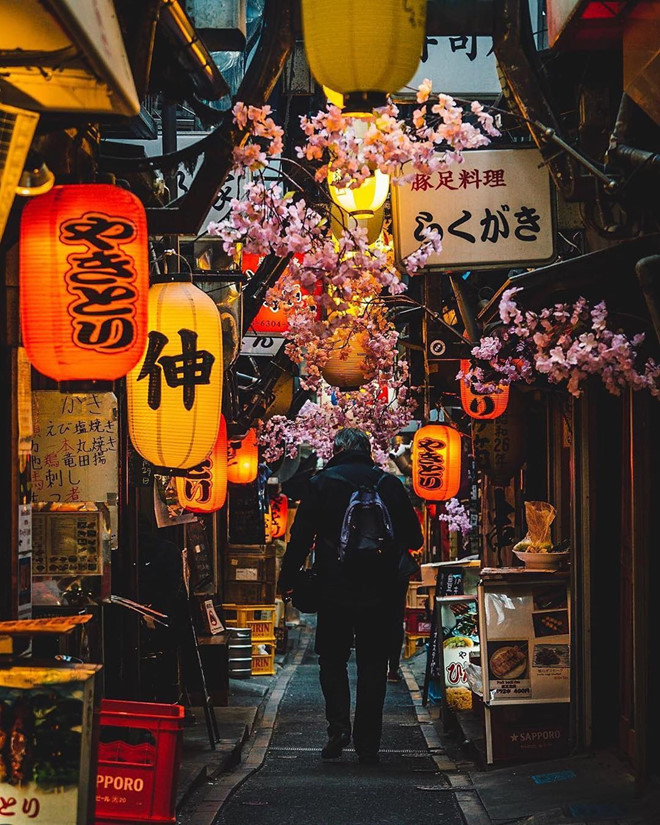
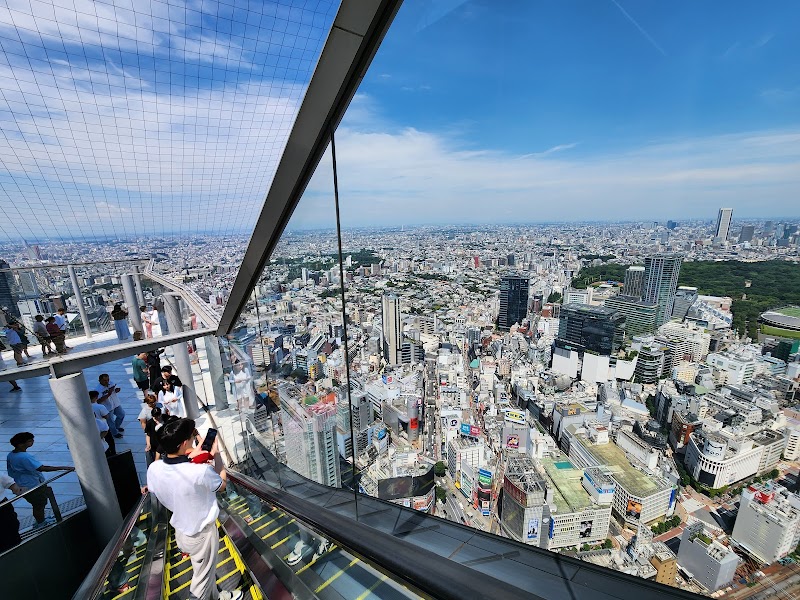
FAQ
Which railway journey is best for a first-timer?
Daytime scenic trains work well: Glacier Express (Zermatt–St. Moritz) or a Rocky Mountaineer segment. If you want speed and a JR Pass, start with Shinkansen hops between Tokyo, Kyoto, and Osaka.
How far ahead should I book Glacier Express or Rocky Mountaineer?
Book legendary routes 3–6 months ahead, especially in peak season. Luxury classes and the best-view seats sell out earlier than standard tickets.
Is a Japan Rail Pass worth it in 2026?
Yes if you plan multiple Shinkansen hops between major hubs. For a single short Tokyo–Kyoto ride, point-to-point tickets can be cheaper — compare your itinerary first.
How do I combine trains with flights and hotels?
Build the skeleton in AlpacaBag: add rail segments, connections, and overnight stays near stations. The planner helps with timing and suggests lodging by the tracks.
What luggage works on a luxury train?
Large suitcases often go in a baggage car. Keep a small bag with documents, chargers, a spare layer, and anything you need during the day on board.