
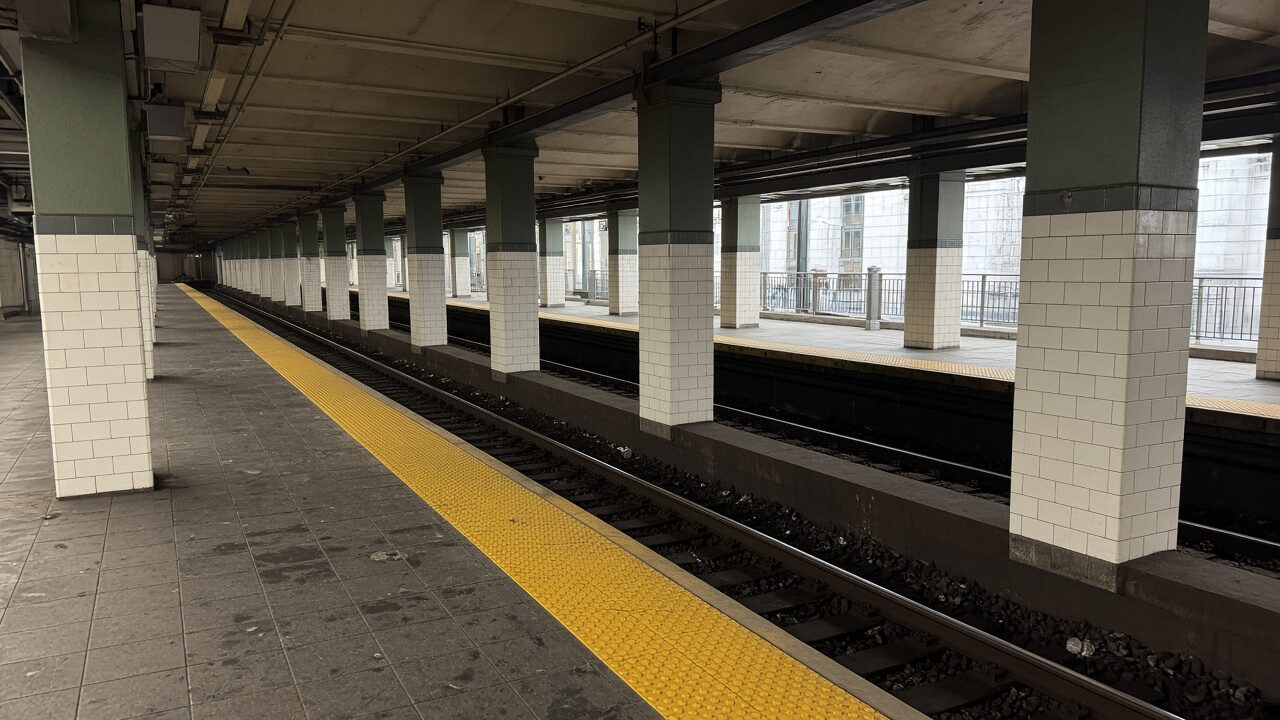
Read the official diagram correctly
Find the destination station and direction first, then identify which letters or numbers stop there. One route colour can contain several services with different stopping patterns. The traditional diagram distinguishes local and express stations, but platform displays, announcements and current MTA information override any static image.
OMNY does not require a speculative tourist pass: consistent use of one card or device applies the cap automatically. Two travellers need separate payment methods. An express train saves time only when the destination is an express stop, so the correct local service often beats a hurried platform change.
OMNY fares, transfers and caps
The base subway and local-bus fare is $3 for most riders. Tap a contactless bank card, phone, wearable or OMNY Card. Keep using the same payment method to receive transfers and fare capping; on October 1, 2026, MTA lists a $35 seven-day cap for subway and local bus travel. Subway riders do not tap out.
mta.info is the authority for the fare, diagram and Planned Service Changes. The October 1, 2026 check found a $3 base fare and $35 seven-day cap, but those figures should always remain date-stamped. Third-party apps can suggest routes; only MTA confirms a closed platform or weekend diversion.
Uptown, Downtown, Local and Express
Uptown generally means north in Manhattan and Downtown south, while signs elsewhere may use a borough or terminal. Some entrances reach only one platform, so inspect the sign before crossing the turnstile. JFK requires a separately charged AirTrain connection. LaGuardia relies on connecting buses rather than a direct subway station.
Read the service, direction and platform access before crossing the turnstile because some entrances serve only Uptown or Downtown. Times Square and Fulton Street require meaningful internal walking. JFK adds a separately charged AirTrain segment, so an ordinary subway tap does not complete the airport fare.
- Read entrance signs before paying.
- Use one payment method per traveller.
- Check live MTA changes for every critical journey.
Sightseeing days and airport connections
For Midtown, Central Park and Lower Manhattan, group stops along one trunk route and minimise transfers. Include walking inside large stations when judging arrival time. Each traveller should tap a separate card or device so transfers and caps are calculated correctly. Save the official diagram, but use live service status for the actual trip.
Group Central Park, Midtown and Lower Manhattan along a useful trunk rather than bouncing between boroughs. Recheck live status before a performance or airport journey. During weekend work, a bus or short street walk can be more robust than a transfer onto a train temporarily running on another line.
Night service, planned work and backup choices
Overnight and weekend work can reroute trains or skip stations. Read Planned Service Changes just before departure. When the suggested trip becomes a three-transfer puzzle, a local bus or short walk is often more robust. Taxis help with luggage, yet road congestion makes them unreliable as a last-minute time guarantee.
When an express begins making local stops, stay aboard until announcements identify a sensible transfer. A closed entrance may have an open counterpart across the avenue. Buses or taxis help a luggage-heavy group avoid stairs, but Manhattan traffic prevents either from serving as a guaranteed faster rescue.
Where to stay for this itinerary
Union Square offers multiple routes when plans change. Long Island City can cost less than Manhattan while reaching Midtown quickly, although weekend work has a larger impact. Judge accommodation by the useful line, elevator access and late return service rather than the number of metres to any station.
Build the day around your pace
AlpacaBag connects stops with transport, food and realistic time on site.
Ready-made routes
Routes for your destination
Day-by-day plans you can adapt to your dates right away.

Frequently asked questions
What is the standard fare?
MTA lists $3 for most subway and local-bus riders as of October 1, 2026.
Do I tap when leaving?
No. Subway fares are collected on entry.
Does the subway run all night?
The system runs continuously, but routes and stops may change overnight.
Is JFK AirTrain included?
No. AirTrain has a separate fare.