
While AlpacaBag's AI builds your ideal travel route, this guide helps you protect your budget on the road. It pairs with our solo travel safety checklist, money-saving travel guide, and travel budget calculator — together they cover spending plans and cash protection.
Before you leave, get travel insurance at a fair price, book an hotel with a safe and solid reviews, and set up an eSIM so you can freeze a stolen card from your banking app right away.
Core safety principles
Keep most of your budget in bank accounts, use cards for everyday spending, and withdraw cash only as needed. Experienced travelers carry plastic from different payment networks (Visa and Mastercard) and multiple banks.
Never carry large sums in a single wallet on public transport or count bills in a crowd. These rules matter even more when traveling solo — see our practical solo travel guide.
Money on you in the city
For city walks, neck pouches, money belts, and clothes with hidden inner pockets that sit flush against your body work best. Shoes are a classic emergency stash: bills in a waterproof zip bag fit easily under the insole.
Never keep cash in an ordinary daypack — in dense crowds, pickpockets can slash the fabric and grab valuables. That is especially true in packed markets and metro stations in Istanbul, Barcelona, or Bangkok; ready-made routes for those cities are in the block below.
Storing funds in your hotel
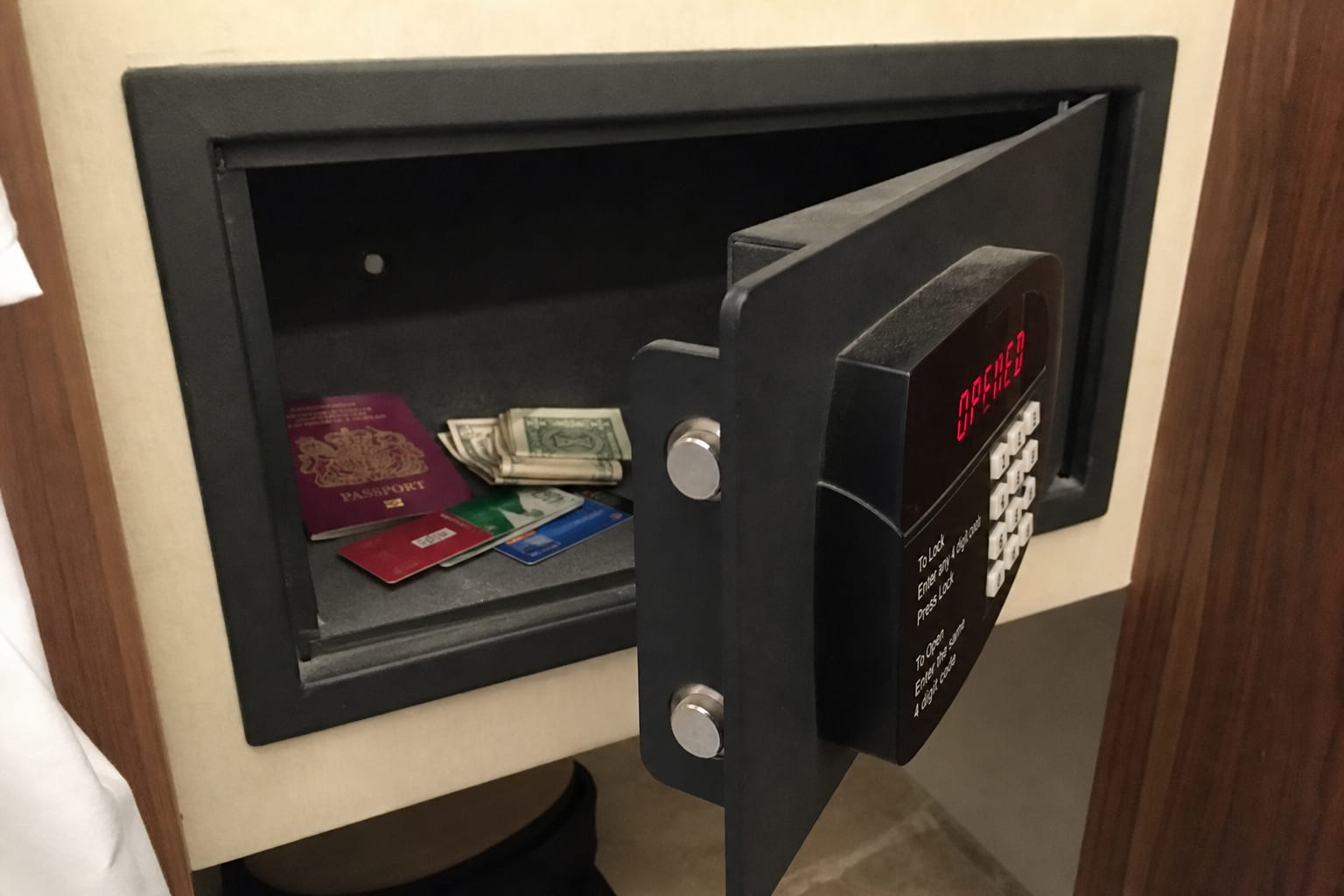
An in-room safe with a keypad remains the main place for passports and most of your cash. If the room has no safe, a personal carry-on with a working combination lock is a solid fallback.
Creative travelers also hide bills in empty opaque shampoo bottles, medicine packaging, or tape them under heavy appliances. When choosing accommodation, weigh neighborhood reputation and reviews — our safe accommodation guide covers booking criteria.
Worst hiding spots in the room
Thieves and dishonest hotel staff know every cliché tourist stash. Avoid hiding money under the mattress, under the rug, in the toilet tank, or behind air vents.
Do not use book pages, small appliance interiors, or flower pots either — those are the first places checked during a room search.
Staying safe at the beach
On public beaches, thieves usually grab whole bags rather than digging through them. Hide cash inside items that look worthless: an empty washed sunscreen tube or a pack of cheap wet wipes.
Traveling with a small child? A rolled clean diaper makes a surprisingly effective beach safe for bills. For seaside destinations, see our China beach vacation guide and budget for seaside days in advance.
How travelers split their budget
Compare storage options and build a combo of three or four "pockets" — losing one should not wipe out your entire trip budget.
| Storage option | Best for | Protection level | Main risk |
|---|---|---|---|
| In-room hotel safe | Passports, backup bank cards, larger cash reserves | High | Funds unavailable outside the hotel |
| Hidden-pocket belt | Walking-around cash for the day | High | Requires specialized clothing or accessories |
| Locked suitcase | Main budget when the room has no safe | Medium | A light suitcase can be taken from the room entirely |
| Under the insole | Emergency stash for unexpected expenses | Medium | Cash can be damaged by sweat or rain without a zip bag |
| Wallet in a daypack | Small purchases, tips | Low | The easiest target for street pickpockets |
Plan your budget with your route
Protecting cash is only part of the prep. AlpacaBag builds a day-by-day route with transport, lodging, and spending in mind — so you know how much cash to withdraw and when. For multi-city trips, see our multi-city vacation guide, and prep your phone with our smartphone travel checklist.
Ready-made routes
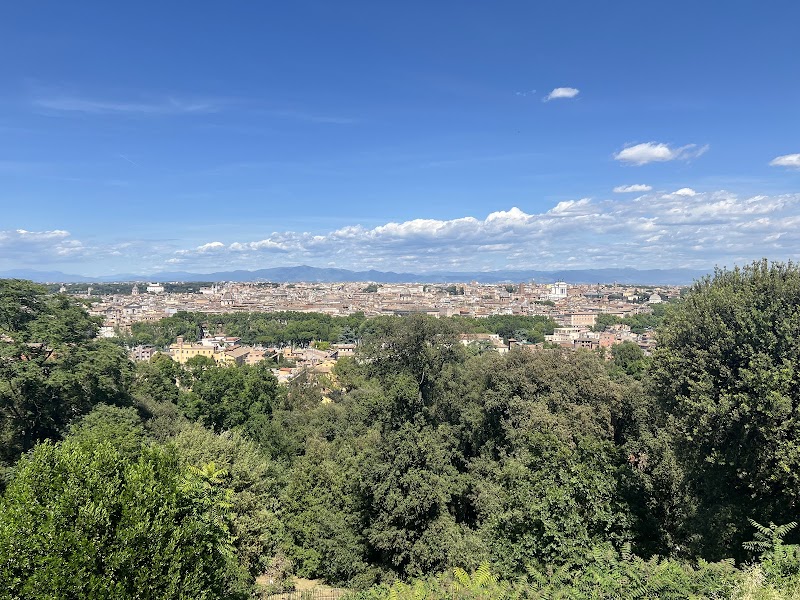
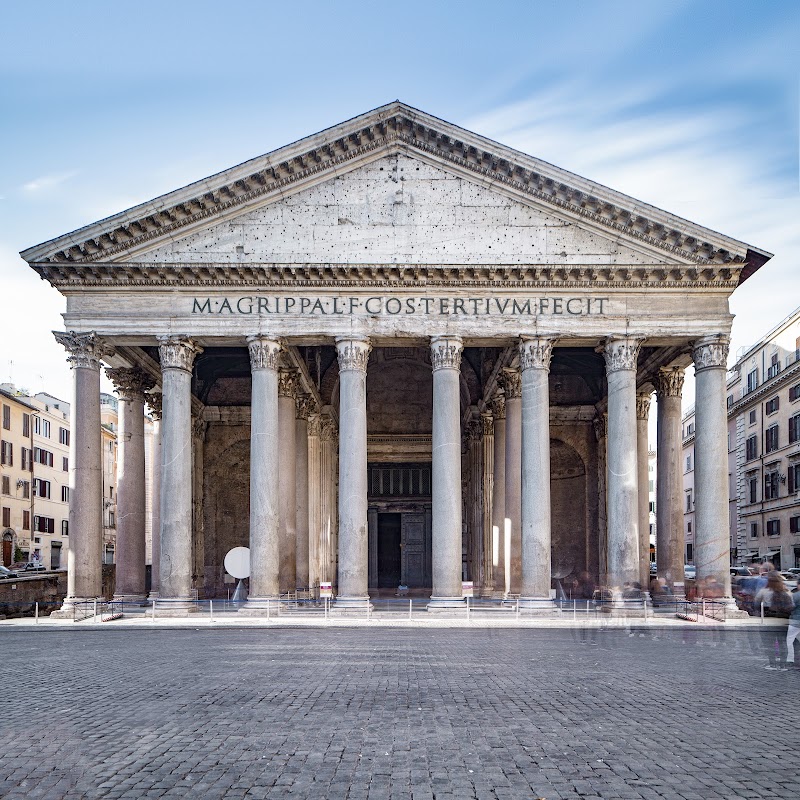
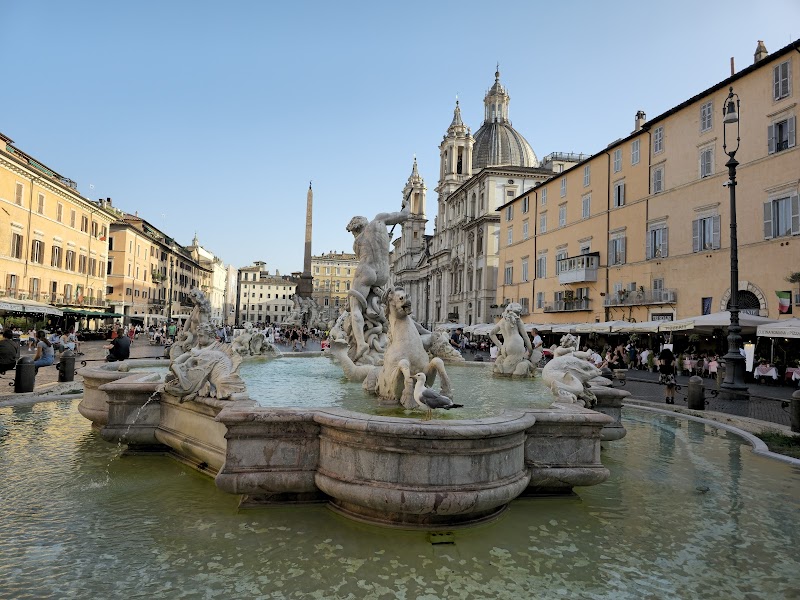
Routes for your destination
Day-by-day plans you can adapt to your dates right away.

FAQ
How much cash should I carry for a day out?
Usually enough for one day plus a small buffer for a taxi or surprise expenses. Keep the rest in the safe, on a second card, or in a hidden pocket. A day-by-day route and budget calculator in AlpacaBag help you nail the number.
Can you trust the hotel safe?
In reputable hotels, the in-room safe is a solid choice for your passport and backup cards. But do not put everything there — keep a stash on your person. When booking, choose hotels with good reviews and an in-room safe.
What if your card or wallet is stolen?
Block the card immediately in your banking app, notify your bank, and file a police report if needed. That is why a second card and emergency cash in a separate place matter — never in the same wallet.
How do you hide money at the beach?
Do not leave your bag unattended. Hide small bills inside worthless items — an empty sunscreen tube or a pack of cheap wet wipes. With a toddler, a rolled clean diaper works surprisingly well. See our China beach guide for more seaside logistics.
Should you tell your bank about your trip in advance?
Yes, especially for destinations you rarely visit. A travel notice reduces the chance your card gets blocked on the first foreign charge. Enable push alerts and mobile banking before you fly.