
How to plan the visit
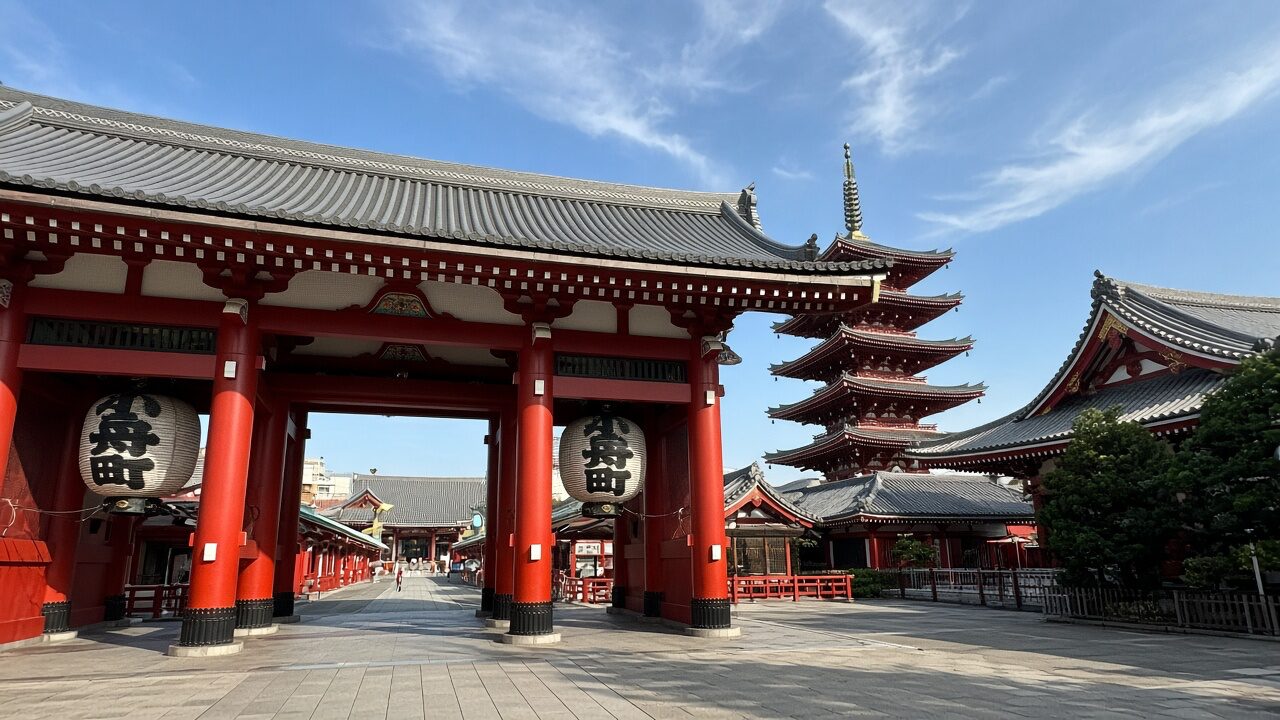
Senso-ji can be visited early and after the shops close, while the main hall follows separate hours. The clearest route runs from Kaminarimon through Nakamise to the Hondo, then into the side precincts.
The key decision is a realistic pace. It fits almost every first Tokyo visit. Early morning is best for atmosphere, later hours for open shops; achieving both without crowds is difficult. Confirm access, weather and transport on the day, then remove secondary stops if the schedule begins to slip.
Transport and timing
Several operators use stations named Asakusa, with different exits. The Ginza Line is convenient from central Tokyo; Tobu serves onward travel toward Nikko. Kaminarimon is a short walk from most central exits.
Do not place connections immediately against a ticket slot or final service. Keep one fallback for Asakusa: If Nakamise is packed, use the parallel streets or continue to Kappabashi. Illuminated gates and pagoda remain atmospheric at night even when interiors are closed. This protects the day without risky improvisation.
Before setting out, check:
- official opening information and final admission;
- weather, road or sea notices when relevant;
- return transport and accessibility for your group.
Route order
Cross Kaminarimon and the temple court before most shops open, then return along a parallel street when Nakamise comes alive. This keeps the worship area calm while avoiding a second journey to Asakusa for shopping.
- Stage 1. Kaminarimon before tour groups. Reassess energy and actual time before continuing.
- Stage 2. Nakamise with one chosen snack stop. Reassess energy and actual time before continuing.
- Stage 3. incense cauldron, Hondo and omikuji. Reassess energy and actual time before continuing.
- Stage 4. Asakusa Shrine and the Sumida riverfront. Reassess energy and actual time before continuing.
Eat ningyo-yaki or senbei beside the vendor after the Hondo, then move lunch toward Kappabashi or the riverfront. If Nakamise is packed, side streets reach Asakusa Shrine and Sumida Park more efficiently.
Who it suits and alternatives
It fits almost every first Tokyo visit. Early morning is best for atmosphere, later hours for open shops; achieving both without crowds is difficult.
An alternative is not an inferior plan; it is a route for different constraints. If Nakamise is packed, use the parallel streets or continue to Kappabashi. Illuminated gates and pagoda remain atmospheric at night even when interiors are closed. Families, travellers with limited mobility and anyone facing heat or cold should reduce transfers before reducing the meaningful parts.
Local rules and practical details
- Approach purification, incense and omikuji without parody.
- Do not photograph where signs prohibit it.
- Eat beside the shop and do not leave packaging in the precinct.
The official Senso-ji site separates precinct access from main-hall hours, while GO TOKYO helps with neighbourhood events. Nakamise consists of independent shops, so its operating pattern cannot be inferred from the Hondo schedule.
Where to stay and protect the trip
Asakusa gives the earliest walk-in access; Ueno pairs with museums, while Shinjuku adds a Ginza Line transfer. Compare Tokyo bases · Review Japan travel cover
Build the day without unnecessary transfers
Add the essential stop, entry time and hotel area, then let the planner arrange a route around your pace.
Ready-made routes
Routes for your destination
Day-by-day plans you can adapt to your dates right away.
Frequently asked questions
How much time should I allow?
It fits almost every first Tokyo visit. Early morning is best for atmosphere, later hours for open shops; achieving both without crowds is difficult. Keep at least two hours for a short visit and half a day or more for the complete route.
What is the best way to get there?
Several operators use stations named Asakusa, with different exits. The Ginza Line is convenient from central Tokyo; Tobu serves onward travel toward Nikko. Kaminarimon is a short walk from most central exits.
Do I need to book ahead?
Check the official source before travel. Reserve ahead where timed entry or limited capacity applies; do not rely on old blog prices or opening hours.
What should I do if conditions change?
If Nakamise is packed, use the parallel streets or continue to Kappabashi. Illuminated gates and pagoda remain atmospheric at night even when interiors are closed.