
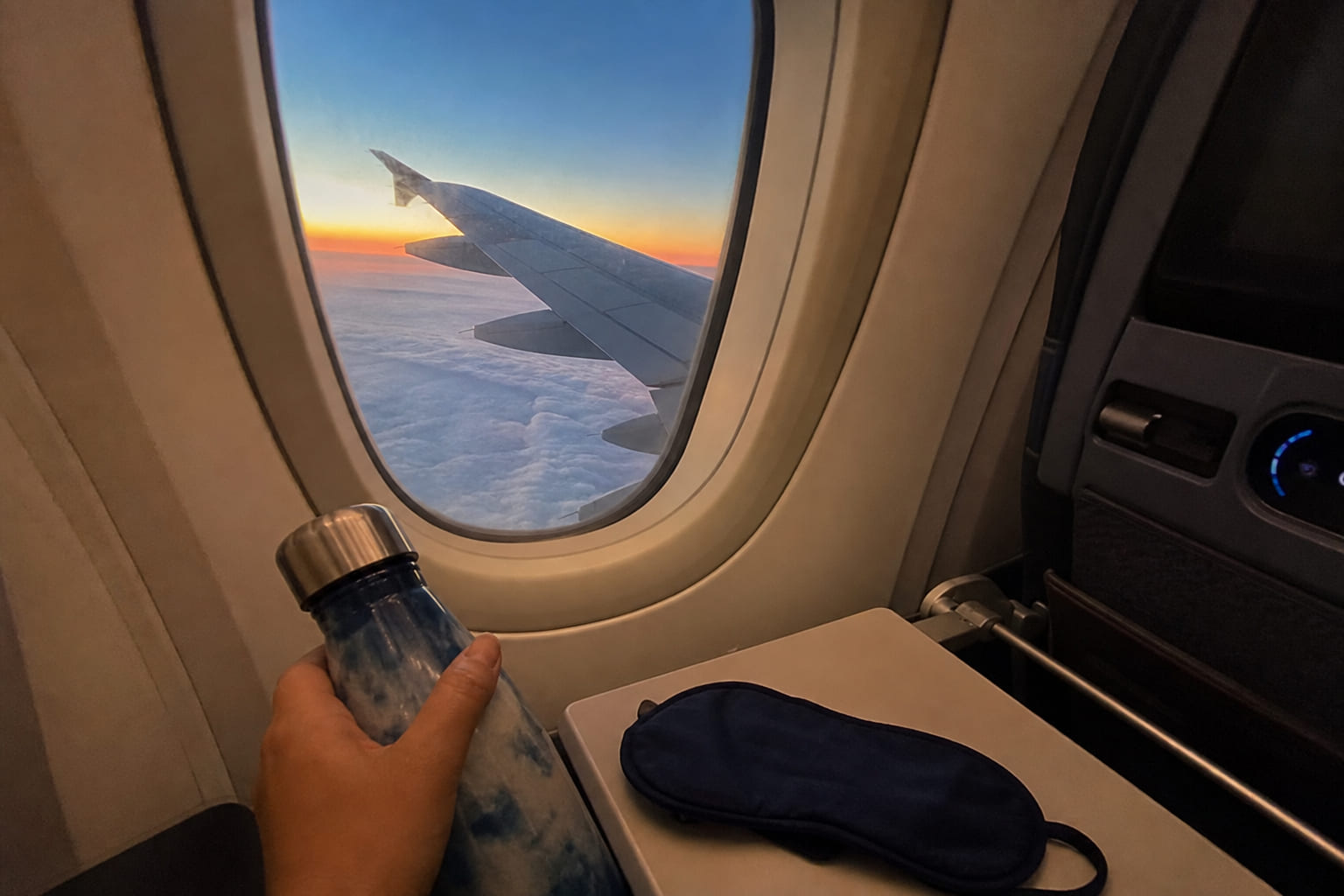
A long flight is not just hours in a seat — it is the runway to everything on the ground. Compare flight fares early, get travel insurance, and activate an eSIM for your destination so you land ready to go.
This guide pairs with our airplane seat selection guide, carry-on checklist, and airport self-transfer guide— together they cover the full journey from booking to terminal exit.
Choosing your seat
Seat location directly affects how tired you feel. Exit rows (often 11–13 or 15–16) offer extra legroom and make it easier to stand up. If you want to sleep without letting neighbors past, pick a window — but muscles stiffen faster there.
To feel less turbulence, book over the wing and avoid the tail. Cabin zone maps and scenarios for sleep, work, and kids are in our dedicated seat guide.
Comfortable clothing
Flight clothes should be loose and layered so nothing compresses veins during long sitting. Breathable natural fabrics — tracksuits and flat shoes — work best.
Compression socks help prevent swelling and reduce deep-vein thrombosis risk on multi-hour routes. Cabin temperatures swing — a hoodie or cardigan you can add or remove solves most of it.
Packing carry-on
A well-packed carry-on covers most in-flight needs. Core comfort kit: sleep mask, earplugs, slippers, and a supportive neck pillow.
Dry cabin air dehydrates mucous membranes — pack eye drops and moisturizer. Gadgets, noise-cancelling headphones, and a strong power bank help pass the time if you preload movies and music. Phone settings and offline maps: see our smartphone travel prep checklist; packing tips in our long-trip suitcase guide.
Food and hydration
Digestion slows at altitude — treat in-flight food with caution.
- Drink 150 ml (5 oz) of still water every hour to prevent dehydration.
- Skip alcohol entirely — it worsens dehydration at altitude.
- Avoid caffeine: it irritates the stomach and disrupts sleep cycles during time-zone shifts.
- Steer clear of cheese, fast food, and fizzy drinks that can cause bloating.
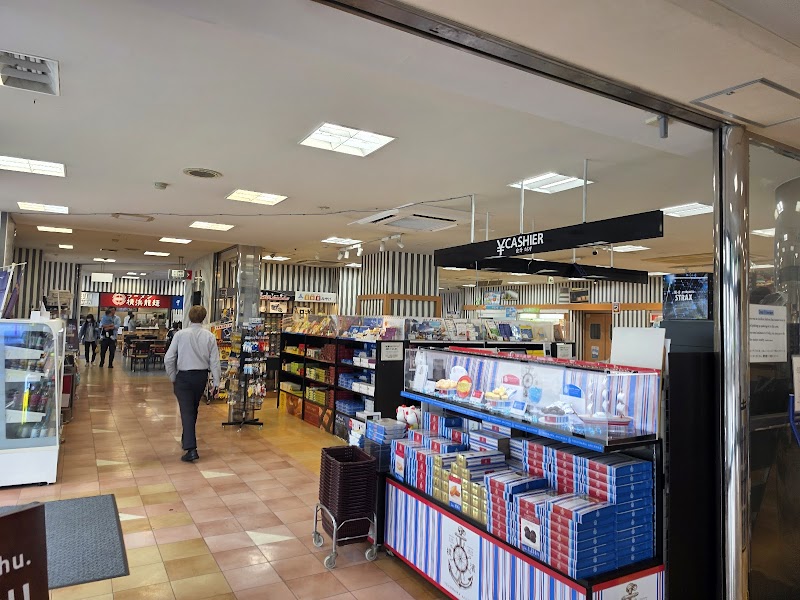
Buy water after security or ask crew — do not wait until you are thirsty. Airport shopping — including duty free — is covered in our duty-free guide.
Preventing jet lag
Start adapting before you board. Set your watch to destination time right after takeoff to mentally shift routines.
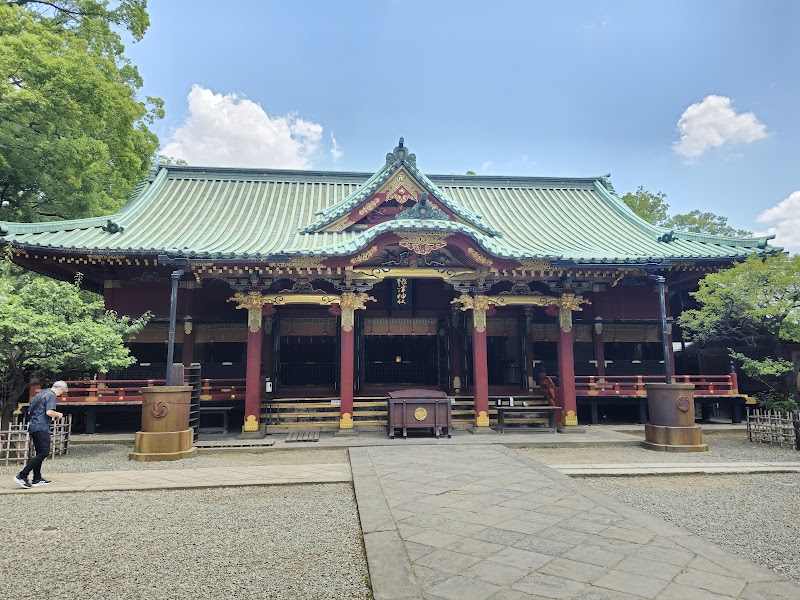
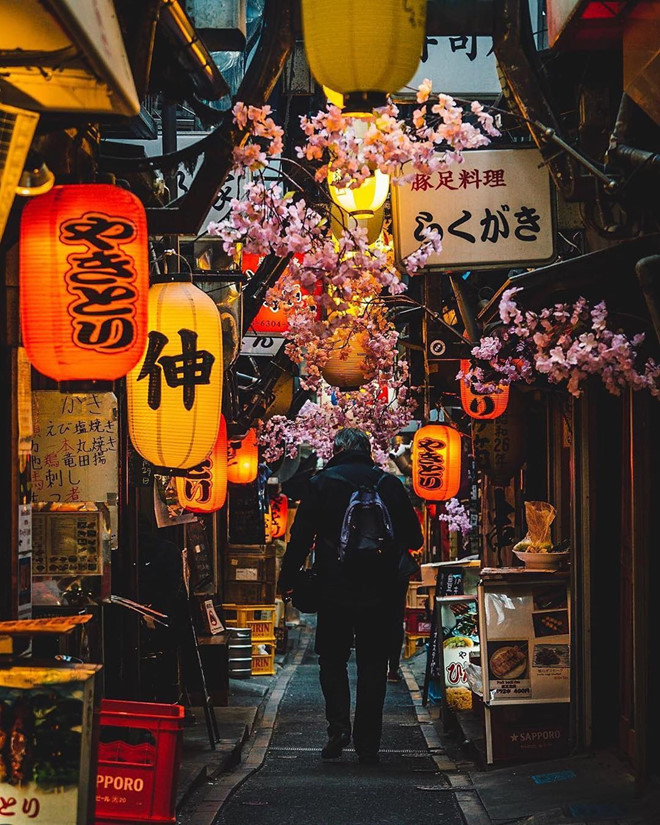
Flying east: sleep in the first half of the flight; flying west: stay awake as long as you can. On arrival, get sunlight — it speeds up circadian reset. If you head straight into the city, a ready-made route with realistic pacing saves your first day — try 3 budget-friendly days in Tokyo or 3 days in Tokyo for history lovers.
Flying with kids: basics
Traveling with little ones means planning their physical comfort and ear pressure. Offer water from a bottle or lollipops during takeoff and landing — swallowing prevents painful ear popping.
Regular drinks matter for kids in extremely dry cabin air. More family destination ideas in our family routes atlas and a ready plan for 7 days in Bangkok with children.
Entertainment and snacks for toddlers
In-air meltdowns usually come from boredom — pack a few new compact toys and reveal them one at a time. Pre-downloaded cartoons and comfortable kids’ headphones buy you hours without disturbing neighbors.
Add a separate lunch box with favorite snacks — airline kids’ menus often miss the mark. After landing, do not spend precious energy planning from scratch — build a route in AlpacaBag matched to your family pace and children’s ages.
Landed — straight into the trip
Long flights drain energy but should not eat your whole vacation on planning. AlpacaBag turns ideas into realistic day-by-day routes — transport, budget, and pace included. Less spreadsheet fatigue, more time on the ground.
Ready-made routes
Routes for your destination
Day-by-day plans you can adapt to your dates right away.
FAQ
How do I pick the best seat for a long flight?
For uninterrupted sleep, choose a window seat; for legroom, try exit rows (often rows 11–13 or 15–16). To feel less turbulence, book over the wing and avoid the tail section. See our full airplane seat guide for cabin zone maps and scenarios.
What should I pack in carry-on for a long-haul flight?
Essentials: sleep mask, earplugs, slippers, neck pillow, eye drops, moisturizer, power bank, and noise-cancelling headphones. Download movies and music before boarding — in-flight Wi-Fi is not always reliable.
How can I avoid jet lag after a long flight?
Set your watch to destination time right after takeoff. Flying east: sleep in the first half of the flight; flying west: stay awake longer. On arrival, spend time in daylight to reset your body clock faster.
Can I drink alcohol or coffee on the plane?
Better to skip both: alcohol increases dehydration at altitude, caffeine disrupts sleep and irritates the stomach. Plain water — about 150 ml per hour — is the safer choice.
How do I survive a long flight with kids?
Offer water or lollipops during takeoff and landing — swallowing eases ear pressure. Pack a few new small toys revealed one at a time, pre-downloaded cartoons, child-friendly headphones, and a lunch box with familiar snacks since airline kids’ meals often miss the mark.