
Markets across Asia are more than cheap meals — they reveal regional character, from spotless Japanese rows to Thailand’s night bazaars and Mekong Delta floating wholesale stalls. Pick 1–2 markets per city and slot them into a multi-city itinerary.
Budget for street food with the travel budget calculator, and compare with convenience stores in our budget food in Asia guide. For timing, see the best-travel-season top 25.
Japan: aesthetics and seafood
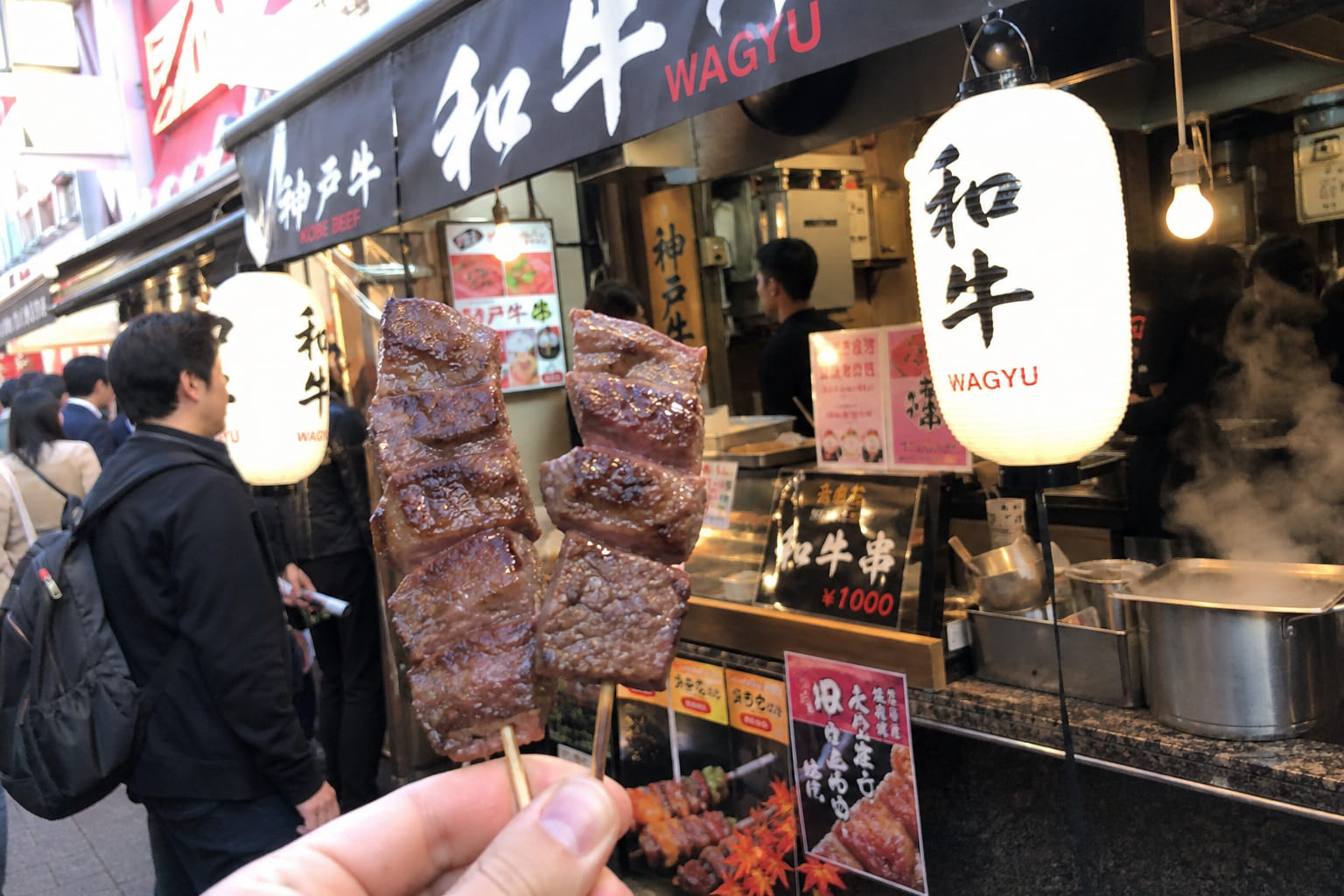
Japanese markets stand out for cleanliness and strict zoning. Expect ultra-fresh seafood, premium meat, and traditional sweets often cooked in front of you.
Popular markets and addresses
- Tsukiji Outer Market (Tokyo): 4 Chome-16-2 Tsukiji, Chuo City, Tokyo. Historic hub for fresh fish.
- Nishiki Market (Kyoto): Nakagyo Ward, Kyoto. “Kyoto’s kitchen” for traditional ingredients.
- Kuromon Ichiba (Osaka): 2 Chome-4-1 Nipponbashi, Chuo Ward, Osaka.
What to try and buy
- Wagyu beef skewers and fresh sashimi.
- Tamagoyaki (sweet Japanese omelet on a stick).
- Matcha green tea, seaweed, pickled vegetables.
- Japanese sweets: fresh strawberry mochi and taiyaki.
Ready routes with markets: 3-day Tokyo food tour, 3 days in Kyoto and 3 days in Osaka. More on cuisine in our Japan & Korea food guide, and Tokyo alternatives in beyond Shibuya Crossing. Reach markets easily with a food tour with a local guide.
South Korea: spicy street food
Street vending is woven into Korean cities: market rows spill onto sidewalks and come alive toward evening. Food is fast, filling, and mostly spicy.
Popular markets and addresses
- Gwangjang Market (Seoul): 88 Changgyeonggung-ro, Jongno-gu, Seoul. Oldest market, open seven days a week.
- Myeongdong Street (Seoul): Myeongdong-gil, Jung-gu, Seoul. Tourist street-food epicenter.
What to try and buy
- Bindaetteok (crispy mung-bean pancakes).
- Tteokbokki (spicy rice cakes) and mandu (dumplings).
- Mayak-gimbap (mini rolls) and live octopus (sannakji).
- Dried anchovies (myeolchi) for broths and seasonal roasted chestnuts.
Book Seoul accommodation near Jongno for easy evening access to Gwangjang. Ready plan: 3-day Seoul itinerary.
China: scale and regional variety
Chinese markets impress with size and provincial contrast — southern seafood versus northern noodles and spices.
Popular markets and addresses
- Muslim Quarter (Xi'an): Huajue Alley, Lianhu District, Xi'an. Street-food and spice hub.
- Huangsha Seafood Market (Guangzhou): 21 Zhanqian Rd, Liwan District, Guangzhou. Largest wholesale-retail spot in South China.
- Xishuangbanna night markets (Yunnan): largest night market with strong Thai influence.
What to try and buy
- Loose-leaf tea (pu-erh, oolong, tieguanyin) and exotic spices.
- Tanghulu (candied fruit skewers) and regional dim sum.
- Dried seafood, shiitake mushrooms, and goji berries.
Regional dishes are covered in our China regional food guide, tipping in tipping in China. Sample route: 3 days in Beijing. Compare inter-city flights when chaining markets.
Thailand: night bazaars and tropics
Thai markets often run on weekends or after sunset, turning into full entertainment clusters with food at the center.
Popular markets and addresses
- Chatuchak Weekend Market (Bangkok): Kamphaeng Phet 2 Rd, Chatuchak. Food in sections 2–4 and 21–26.
- Night Bazaar (Chiang Mai): Chang Klan Rd, Pa Daet, Mueang Chiang Mai.
- Jodd Fairs (Bangkok): Rama IX Rd, Huai Khwang.
What to try and buy
- Mango sticky rice.
- Pad Thai, fresh oysters, and satay skewers.
- Tom Yum and Tom Kha soup pastes, Thai chili.
- Fresh fruit (mangosteen, durian, rambutan) and coconut water.
Download apps from our Thailand travel apps guide and read safety rules. Routes: 3 days in Bangkok and 7 days in Bangkok. Tipping tips in our tipping guide by country.
Vietnam: character and floating markets
Vietnamese markets mean narrow alleys, herbs, fish sauce, and strong coffee. Mekong Delta floating wholesale markets deserve a dedicated morning trip.
Popular markets and addresses
- Ben Thanh Market (Ho Chi Minh City): Le Loi, Ben Thanh Ward, District 1. The city's main historic market.
- Cai Rang Floating Market (Can Tho): 46 Hai Ba Trung, Can Tho. Largest wholesale fruit and vegetable market on the water.
What to try and buy
- Vietnamese coffee (robusta) and phin metal filters.
- Bánh mì (crispy baguettes with pâté, meat, and herbs).
- Pho ingredients: rice noodles, star anise, cinnamon.
- Rice paper and authentic fish sauce (nuoc mam).
For the Mekong Delta, get travel insurance and book a floating market tour early — mornings are most atmospheric. Save on food with our money-saving travel guide.
Build a market route in minutes
Enter cities, dates, and food interests in AlpacaBag — get day-by-day plans with market stops, logistics, map, and PDF.
Country gastronomy cheat sheet
Average street-food dinner cost, flavor profile, and souvenir ideas to bring home.
| Country | Avg. street-food dinner | Key flavor profile | Souvenirs to bring home |
|---|---|---|---|
| Japan | $15–25 | Umami, freshness, delicacy | Matcha tea, mochi sweets, Japanese knives |
| South Korea | $8–15 | Heat, fermentation, garlic | Ginseng, dried seaweed, Korean sauces |
| China | $5–12 | Spice, soy, sweet-sour notes | Premium tea, dried mushrooms, local spices |
| Thailand | $3–8 | Sweet, sour, and spicy balance | Curry paste, dried mango, coconut oil |
| Vietnam | $2–6 | Fresh herbs, fish sauce, coffee | Coffee beans, rice paper, exotic dried fruit |
Ready-made routes
Routes for your destination
Day-by-day plans you can adapt to your dates right away.
FAQ
Which Asian market is best for a first street-food experience?
Gwangjang Market in Seoul and Bangkok’s evening bazaars are beginner-friendly: compact layouts, many stalls, and prices below restaurants. In Japan, start at Tsukiji Outer Market — clean, safe, and easy to sample small portions.
Is street food in Asia safe to eat?
Pick busy stalls where food is cooked to order. Japan and Korea have strict market hygiene. In Thailand and Vietnam, stick to bottled water and skip ice at questionable spots — see our Thailand safety guide for details.
What can I bring home from Asian markets?
Tea (matcha, pu-erh, oolong), dried spices, soup pastes, rice paper, robusta coffee, and local sauces. Check customs rules on meat, fresh fruit, and plants — they are often restricted.
How do I fit markets into a multi-country Asia itinerary?
Plan half a day per market: mornings for Japanese markets, evenings for Korean and Thai ones. AlpacaBag can build a day-by-day route with market addresses, inter-city logistics, and a PDF.