
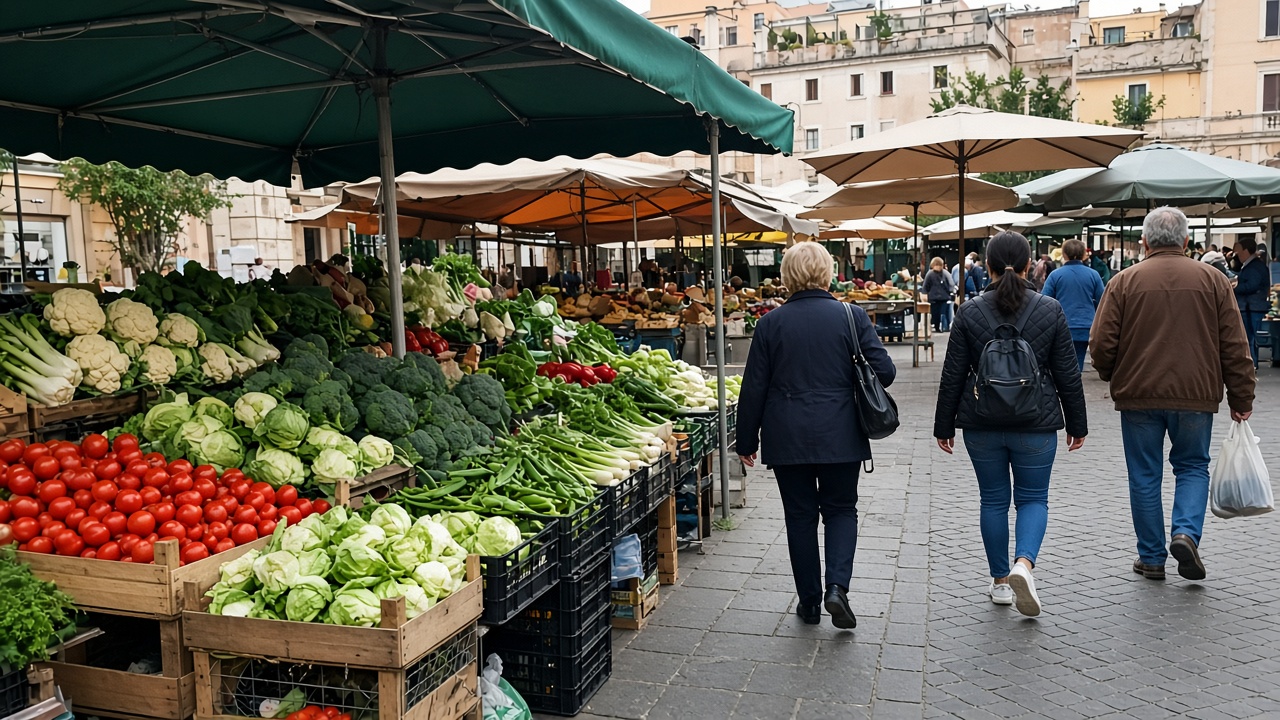
Why Testaccio feels like another Rome
While the historic center queues for the Colosseum, Testaccio stays a butchers’ and warehouse district with a working kitchen. You will find fewer Instagram gelato lines and more people eating market lunch at noon. If you want Rome without the stage set, start on this side of the Tiber — or compare it with Colosseum alternatives.
The historical core is Monte Testaccio, an artificial hill of broken amphorae (Monte dei Cocci). In antiquity, olive oil from Spain and North Africa arrived here; sherds were stacked in layers until the mound rose about 35 meters. Later the Mattatoio slaughterhouse fed the city and gave Roman cooking its quinto quarto — offal that became the neighborhood’s edible “testoria,” food history written on a plate.
What to see in Testaccio in one day
Monte Testaccio: an ancient amphora dump
From Via Zabaglia the hill looks like a green mound with paths. The interior caves — once wine cellars — open only with a guide or during festivals. AlpacaBag tip: book ahead; without a reservation, circling the base and shooting the slope from Via Nicola Zabaglia is enough.
Pyramid of Cestius and the Non-Catholic Cemetery
The Pyramid of Gaius Cestius sits by Piramide station — the district’s best surprise photo. Next door, the Cimitero Acattolico holds Keats and Shelley; the stone epitaphs read like a final testament of the Romantic poets. For a quieter Pyramid frame, walk to the cemetery’s back wall instead of the metro plaza.
Former slaughterhouse and MACRO
The Mattatoio complex on Piazza Orazio Giustiniani is now contemporary art and events. MACRO Testaccio occupies former pavilions; entry is often free on selected days. Around it, Ostiense murals reward a short detour — pair them with our list of unusual Rome spots.
Food guide: from the market to Roman classics
Mercato di Testaccio
The covered market on Via Beniamino Franklin is mandatory. Cheese, meat, and fresh pasta stalls sit beside a food court where you eat standing up — without centro tourist markups. This is also where locals buy handmade ravioli dough and fillings for a kitchen dinner later.
Where to taste proper pasta and quinto quarto
Quinto quarto means the “fifth quarter” — offal butchers kept after selling the better cuts. In Testaccio it is everyday cooking, not a novelty menu. Look for trattorie around Via Galvani and Piazza Testaccio; book dinner in high season.
- Coda alla vaccinara — Slow-braised oxtail — a butchers’ classic born in Testaccio.
- Trippa alla romana — Tripe with mint and pecorino — the textbook quinto quarto plate.
- Pajata — Veal intestines in tomato sauce; look for traditional trattorie.
- Supplì and pizza bianca — Fast market snacks when you do not want a full sit-down lunch.
- Fresh pasta — Buy handmade ravioli dough and fillings at the market for a home dinner.
For a different evening mood, cross into Trastevere for one day: more aperitivo and alley atmosphere there, denser plates and less theater here.
Walk timing and stop order
The clean sequence from the metro is Pyramid → cemetery → amphora hill → market → Mattatoio. Do not try to clear Ostiense street art in the same morning slot — the market closes earlier than the museums.
| Time | Stop |
|---|---|
| 10:00 | Coffee by Piramide metro and a photo of the Pyramid of Cestius |
| 11:00 | Non-Catholic Cemetery — an unhurried hour among poets’ graves |
| 12:30 | Monte Testaccio from the outside, or a booked hill tour |
| 13:30 | Lunch at Mercato di Testaccio |
| 15:30 | Mattatoio / MACRO Testaccio and nearby murals |
| 17:30 | Aperitivo here, or cross into Trastevere for dinner |
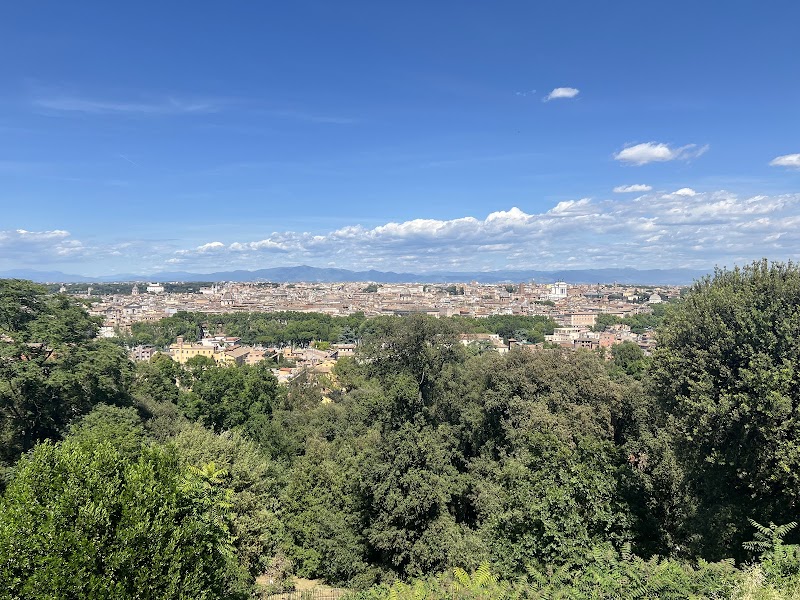
Save hilltop sunsets for a separate outing — see our Rome viewpoints guide. From the Aventine and Janiculum, Testaccio reads as the calm southern edge of the city.
Getting there, when to go, and what it costs
Metro line B, Piramide station, is the main gateway. From Termini it takes about 10–12 minutes. ATAC buses stop along Via Marmorata and Piazza Santa Maria Liberatrice. A 100-minute ticket is about €1.50; a day pass is wiser if you hop between districts.
Best window: Tuesday–Saturday before lunch for the market. Sunday is closed or heavily reduced. In summer, start early — shade around the hill is thin. For a short trip, fold Testaccio into a weekend Rome plan or a budget-friendly three-day route.
| Expense | Range | Note |
|---|---|---|
| Market street food | €8–15 | Pasta, sandwich, coffee |
| Trattoria dinner | €22–40 | Primo + secondo, no wine |
| Cemetery | €3–5 donation | Suggested voluntary contribution |
| MACRO / Mattatoio | often free | Check free-entry days |
| Amphora hill tour | €8–15 | Booked visits only |
Stay near Piramide or Ostiense for cheaper rates than Trastevere and a short walk to the market. Compare Rome hotels, add a food walking tour if you want a guide, and sort flights, travel insurance, and an eSIM before you leave.
Fit Testaccio into Rome without wasted transfers
Tell AlpacaBag your dates, pace, and food priorities — we will place the market, the hill, and an evening neighborhood in one coherent day.
Ready-made routes
Routes for your destination
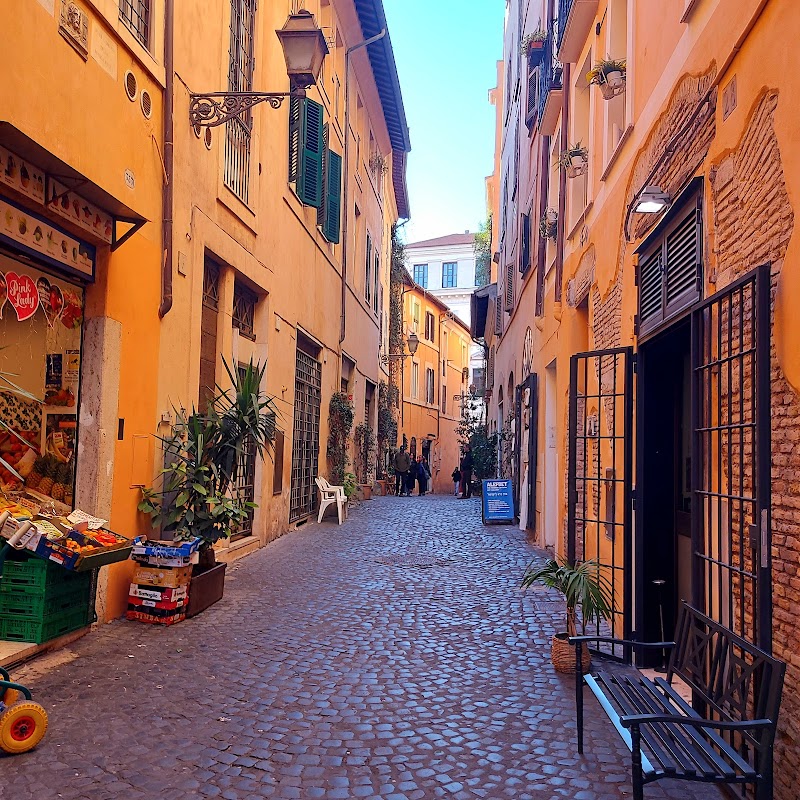
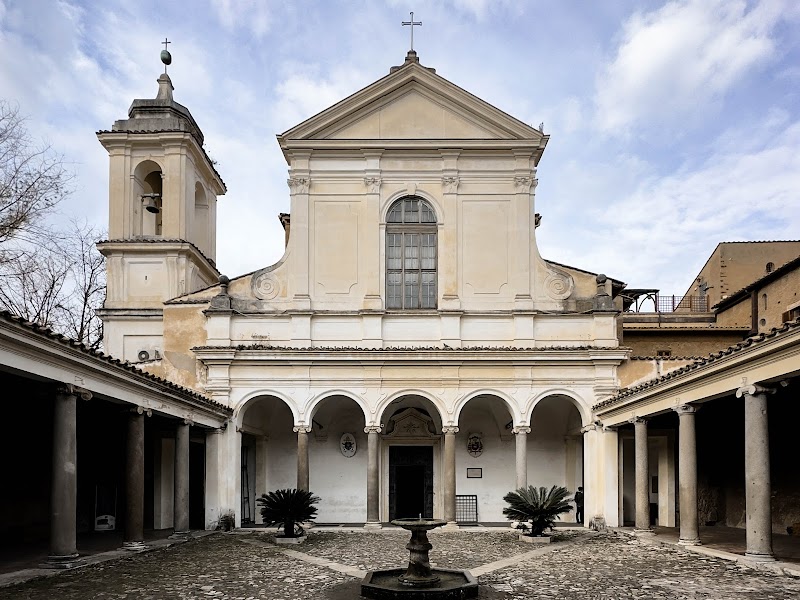
Day-by-day plans you can adapt to your dates right away.
FAQ
Testaccio or Trastevere — which should I choose?
Choose Testaccio for the market, quinto quarto cooking, and industrial history without evening crowds. Choose Trastevere for lanes, aperitivo, and nightlife. Best combo: lunch in Testaccio, evening in Trastevere.
How long do you need in Testaccio?
A half day covers the Pyramid, cemetery, market, and Mattatoio. A full day is better if you book a Monte Testaccio interior visit and stay for a trattoria dinner.
Can you go inside Monte Testaccio?
The amphora hill opens only on guided visits and special events. Check local cultural associations ahead of time; the exterior paths are always free to walk around.
Is the market open on Mondays?
Mercato di Testaccio runs at half strength on Mondays — many stalls stay closed. Tuesday to Saturday mornings, before 14:00, are the strongest window.
Is this related to Ferrari Testarossa or ravioli dough?
No. Testaccio is a historic Rome neighborhood named after the amphora hill. Testarossa is a Ferrari model; ravioli dough is a cooking query. This guide is only about the district.