
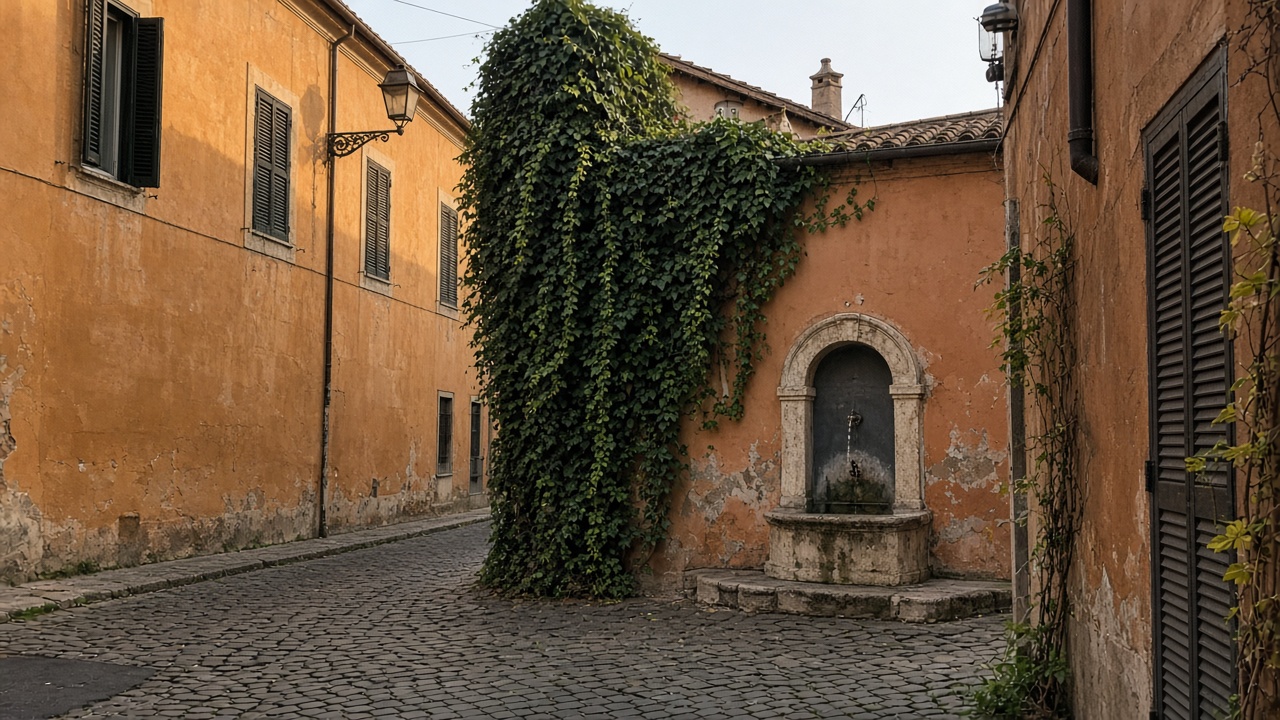
Beyond the classics: where authenticity still fits
The Colosseum–Trevi–Vatican triangle can burn a full day on queues and transfers. A better alternative is to link the southern Piramide / Ostiense belt, one northern architectural curiosity, and a quiet central pocket. Ready-made scaffolding lives in the architecture lovers’ 3-day route and the budget-friendly plan.
If you want neighborhood rhythm instead of checklist sightseeing, continue into Trastevere or Testaccio— food and side streets hold atmosphere better than another fountain plaza.
La piccola Londra: a London-like pocket in Rome
Via Bernardo Celestino is a short terrace-house street with colorful doors and balconies that feel oddly English. It is a lived-in lane, not a theme park: keep voices down, skip drones, and do not block residents’ doorways for photos.
Allow 20–30 minutes on a weekday morning. Orient yourself around Piazza Fiume / Corso d’Italia. The stop pairs well with a northern Rome morning if you are already exploring modern districts before heading south.
Pyramid of Cestius and architectural paradoxes
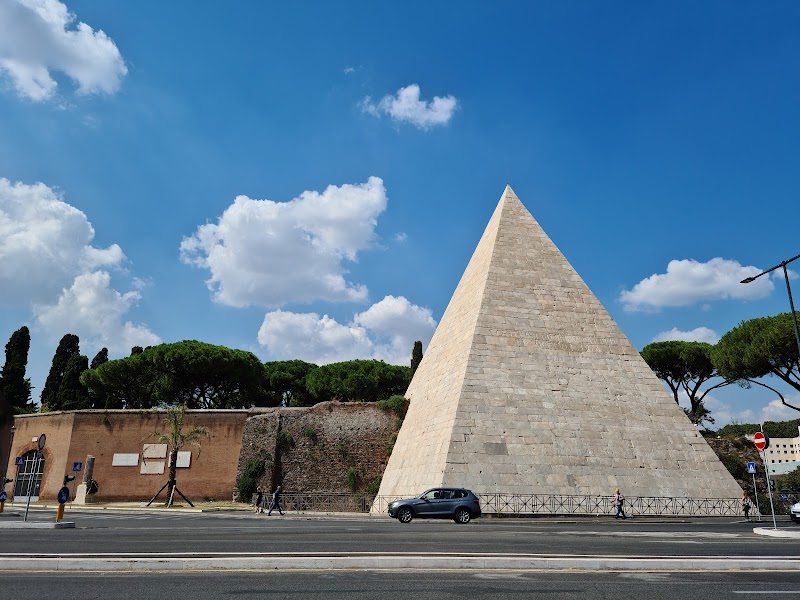
The Pyramid of Cestius stands beside Metro B Piramide — an Egyptian silhouette pressed against the Aurelian Walls. The exterior is free; interior visits follow a limited schedule. Next door, the Non-Catholic Cemetery offers cypresses, cats, and the graves of Keats and Shelley — a quiet counterweight to the historic centre.
From here, continue into Ostiense street art or climb into Testaccio for lunch. The wider “Rome without the Colosseum” day is mapped in our Colosseum alternatives guide.
Secret gardens, the Fountain of the Books, and art frames
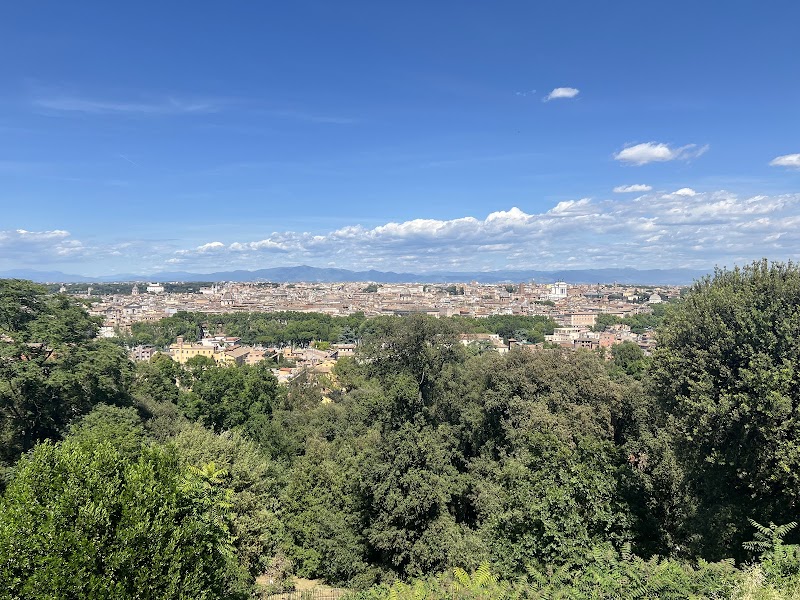
Rome’s “secret” gardens are rarely invisible — they usually need a ticket or the right weekday. Check official villa and orangery hours; do not trust a random courtyard marked “aperto.” For free green pauses, use basilica cloisters and the quieter Janiculum slopes.
Fontana dei Libri on Via degli Staderari is a small book-themed fountain near Sapienza University — a detail shot, not a panorama. For height and dome lines, use our Rome viewpoints roundup.
Before you fly, compare flights to Rome, a hotel outside the historic core (Testaccio, Ostiense, or Prati beat Termini for sleep), and an eSIM for offline maps. An evening walking tour of quieter districts helps on a first visit; add travel insurance for a longer stay.
Classic vs alternative
This table is not a ban on Trevi — it is a swap list for when time or patience runs out.
| Classic | Alternative | Why swap |
|---|---|---|
| Trevi Fountain | Quiet fountains in Prati / Fontana delle Tazze | Water and stone without the selfie scrum; 15–20 minutes for a clean frame |
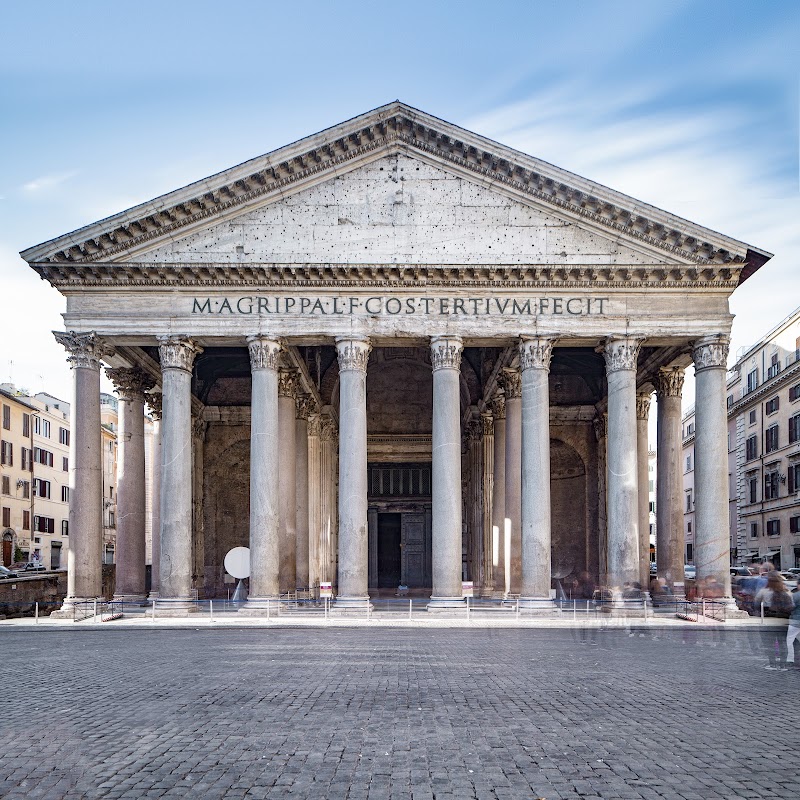
| The Pantheon | Pyramid of Cestius + Non-Catholic Cemetery | An ancient paradox and greenery instead of a rotunda queue |
| Spanish Steps | La piccola Londra (Via Bernardo Celestino) | Unexpected “London” terraces with almost no tour groups |
| Vatican Museums | Villa Farnesina or quiet Trastevere courtyards | Frescoes and gardens without a midday Sistine crush |
Build a day without wasted transfers
Set your pace and interests — AlpacaBag will sequence the pyramid, gardens, and neighborhoods by the hour.
Logistics: linking stops in one day
A practical order: morning at La piccola Londra; midday at Piramide, the cemetery, and lunch in Testaccio; afternoon toward the Tiber with Trastevere or a viewpoint for evening light. Metro B and southern trams beat taxis stuck at the walls.
| Stop | Time | Budget |
|---|---|---|
| La piccola Londra | 20–30 min | Free |
| Pyramid + cemetery | 45–75 min | Cemetery ~€3–5 |
| Hidden gardens / courtyards | 1–2 h | Often free |
| Fountain of the Books | 15–25 min | Free |
For a short weekend with limited daylight, lean on the off-the-beaten-path 3-day Rome route— pauses and transfers are already baked in.
Photographer tips: angles and light
- La piccola Londra — shoot down the street’s perspective, not flat against a facade; morning side light works best.
- Pyramid — frame it against the Aurelian Walls; evening silhouette beats harsh noon glare.
- Fountain of the Books — go tight on details and water; a steady hand beats a tripod here.
- Gardens — look for arches and shade; Roman stone eats phone dynamic range without HDR.
Unusual Rome is not a rejection of history — it is another way to read it: fewer queues, more texture. Let AlpacaBag order the stops, and save the classics for the day you actually want them.
Ready-made routes
Routes for your destination
Day-by-day plans you can adapt to your dates right away.
FAQ
How many days do you need for an “unusual” Rome day?
One focused day covers the southern Piramide area plus one or two central curiosities. Two days let you add Trastevere, a viewpoint, and one ticketed garden without rushing.
Are these spots free?
Most exteriors are free. Expect modest fees for gardens, villas, and the Non-Catholic Cemetery. Always check official opening hours before you go.
Can you do this without taxis?
Yes. Use Metro B to Piramide, buses or a walk from Piazza Fiume for La piccola Londra, and walking time near Sapienza for the Fountain of the Books. A 24–72 hour ATAC ticket keeps transfers simple.
When is the best light for photos?
Early morning or golden hour after 17:00. Midday stone glare is harsh, and weekends bring wedding shoots even to “quiet” courtyards.
Should you skip the Colosseum entirely?
For a first visit, go once for context. If you have already been—or you care more about atmosphere—swap a day for neighborhoods and viewpoints instead.