
Short answer
Oslo is the capital of Norway, and it is the practical start for the eastern and central parks: Rondane and Jotunheimen. The western glaciers, Folgefonna and Jostedalsbreen, sit closer to Bergen. Hardangervidda lies between them. Rv7 and the Oslo–Bergen railway both cross it.
Seven days cover three parks. Five parks plus Svalbard are two trips.
Waterfalls along the Hardanger edge are in the Norway waterfalls route. A day in Oslo before the mountains is in the Fram Museum guide.
Park rules and the right of access
Allemannsretten
In Norway, allemannsretten allows hiking and a tent away from houses, in practice at least 150 metres away and usually not more than two nights in one place. It is not permission to light a fire anywhere, and it is not permission to drive off the road.
Open fires in and near forest are banned from 15 April to 15 September. Dogs stay on a leash from 1 April to 20 August. Drones are often banned inside national parks on top of that. Norwegians treat this as a house rule, not a suggestion. The fine is more real than the sign.
Do not feed wild reindeer or walk around a herd for a photo. Carry rubbish out. At DNT huts, sorting waste and quiet after lights-out are part of the stay.
Five mainland national parks
| Park | Nearest town | Level | Time |
|---|---|---|---|
| Hardangervidda | Eidfjord, Geilo, Finse | easy walks to multi-day hikes | 1–3 days |
| Jotunheimen | Lom, Otta | Besseggen is a hard day | 2 days |
| Folgefonna | Odda, Rosendal | lake is easy, glacier needs a guide | half day to a day |
| Rondane | Otta, Hjerkinn | valley is moderate, summits are hard | 1–2 days |
| Jostedalsbreen | Olden, Stryn, Sogndal | viewpoint or a guided glacier walk | half day to a day |
Hardangervidda
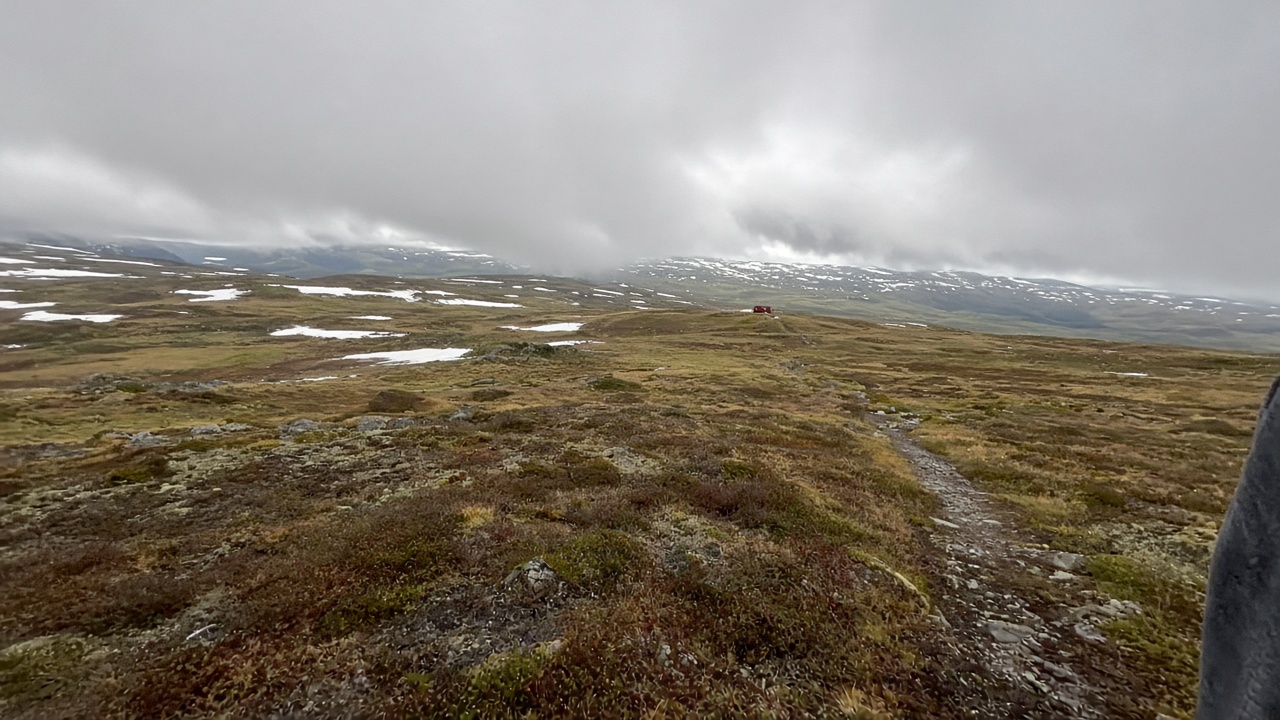
The largest mountain plateau in northern Europe, a national park since 1981. Below the treeline is birch forest. Above it is tundra and reindeer lichen, the moss the herds graze. Gates: Eidfjord from the west, Geilo, and Finse station on the Oslo–Bergen line. A short walk from the road is half a day. Crossing the plateau is several days and navigation skill.
Jotunheimen
The highest mountains in the country. Galdhøpiggen is 2,469 metres. Besseggen, from Gjendesheim to Memurubu, is about 14 to 16 km and 6 to 8 hours, with real climb and descent. Book the boat on Lake Gjende for a specific departure. Lom is the service town. The train stops at Otta. Do not start the ridge without a clear forecast. Cloud covers the path faster than you reach the middle.
Folgefonna
A glacier park by Odda and Rosendal. Turquoise Bondhusvatnet is a 90-minute to two-hour walk with no ice. The glacier itself is guided only. Crevasses are not obvious to a first-timer. It pairs well with a day after the Odda waterfalls. It does not replace the whole route.
Rondane
The oldest national park in the country, from 1962. The valley to Rondvassbu hut is a fair day from Otta or Hjerkinn. Summits over 2,000 metres are an alpine day. Photos without a queue are early morning in the valley, not noon at the hut in July.
Jostedalsbreen
The largest glacier in mainland Europe. Nigardsbreen and the tongues near Olden are seen from viewpoints or with a guide. Briksdalsbreen has retreated hard in recent years. Do not expect a postcard from ten years ago. Towns: Stryn, Olden, Sogndal.
Svalbard is not a driving day
Svalbard, the Spitsbergen archipelago, is part of Norway in the Arctic Ocean. It is not a fifth drive out of Oslo. Flights leave from Oslo or Tromsø. Summer is midnight sun. Winter is aurora season and a different set of risks.
The archipelago has its own national parks. Polar bears walk near Longyearbyen. Past the settlement you go with a guide, and the group carries a rifle. A solo walk to a hill is not a plan here. It breaks the safety rules.
If the trip is one week, leave Svalbard for next time. The mainland parks already do not all fit. For the north without the archipelago, use Tromsø, 3 self-guided days.
A 7-day route from Oslo
The table is a frame, not a summit promise. Mountain weather turns in an hour. Day 4 is empty on purpose. Rain on Besseggen or a closed road will take it.
| Day | Plan |
|---|---|
| 1 | Oslo to Otta. An evening valley walk if the weather holds |
| 2 | Rondane: the valley toward Rondvassbu, no summit without 2000 m experience |
| 3 | Drive to Lom. Besseggen only with a clear forecast and an early start |
| 4 | Buffer in Jotunheimen. Weather decides, not a summit checklist |
| 5 | Jostedalsbreen. On the ice only with a guide |
| 6 | Hardangervidda and Vøringsfossen, night in Eidfjord |
| 7 | Bondhusvatnet at Folgefonna, or out to Bergen |
On a 10-day trip, add a second night in Rondane and a separate day for Bondhusvatnet. Do not glue that lake to a full crossing of the plateau. If you are still choosing the month, start with when to travel.
Season, transport, and what to pack
June to September is the trail window. In early June the passes still hold snow. July is the peak on Besseggen and in the huts. September is quieter and colder, with a shorter day. A winter trip is skis and a different skill set, not a shorter version of this table.
You need a car once you leave the station. The train to Otta and to Finse covers the start. Pick the rental up in Oslo or Bergen and ask about AutoPASS on day one. Tolls and west-coast ferries add up over a week. In 2026 a campsite pitch is often a few hundred kroner, and more in July. A DNT hut bunk in summer starts at a few hundred kroner, and the bed should be held in advance. Mountain groceries cost more than city ones. Put the trip through the budget calculator.
Sleep in a hotel in Otta, Lom, or Eidfjord on arrival and departure days. Flights to Oslo are in the flight search. Book the glacier as a guided trip, not a self-guided walk. Above the treeline the signal drops. You want an eSIM or Yesim and offline maps. Prepare the phone with the smartphone checklist.
In the pack: a shell, a warm layer, boots, a hat and gloves even in July above 1,500 metres, a headlamp, a day of food, and a lens cloth. What stays in the suitcase until the mountains is in the packing guide. Glaciers and Svalbard need travel insurance with evacuation. Compare policies in the insurance guide.
Photos without a crowd: Bondhusvatnet before 10:00, Finse on a weekday, the Rondane valley at sunrise. Do not publish a secret pin off the trail. In these parks, leaving the path means disturbing reindeer.
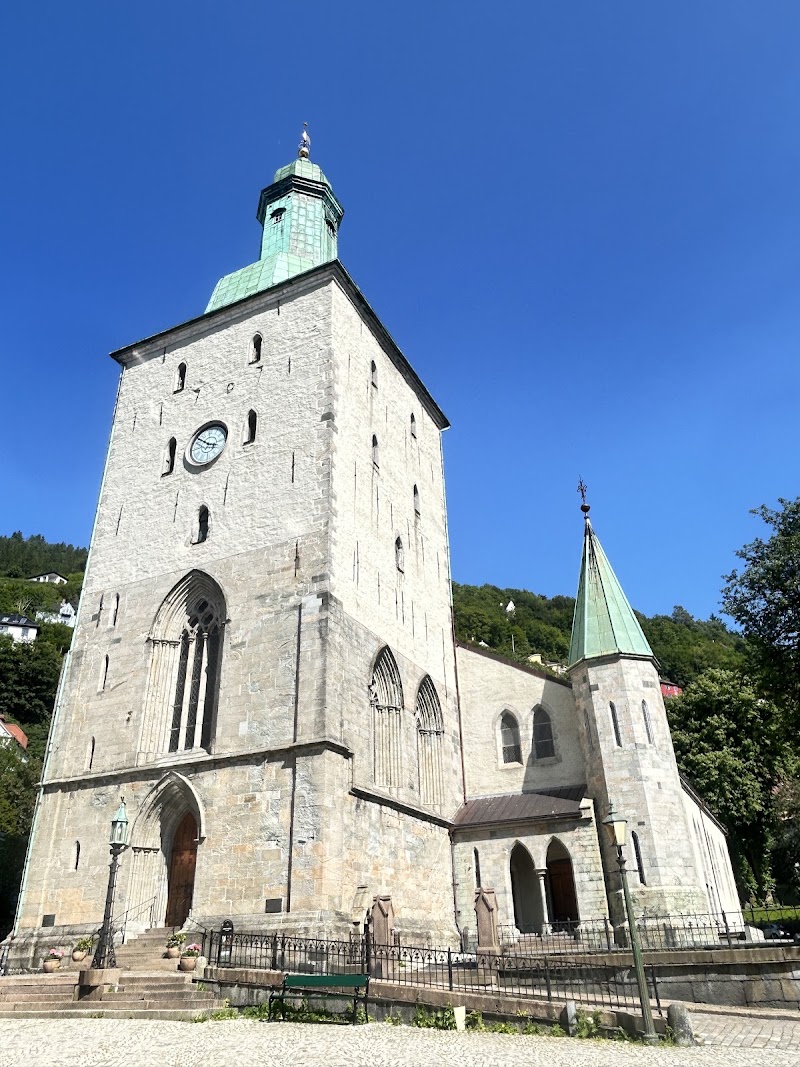
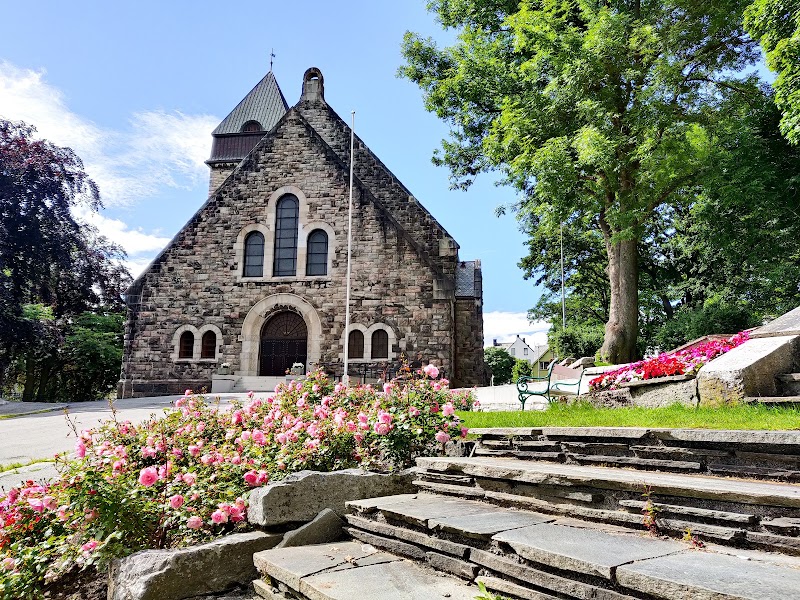
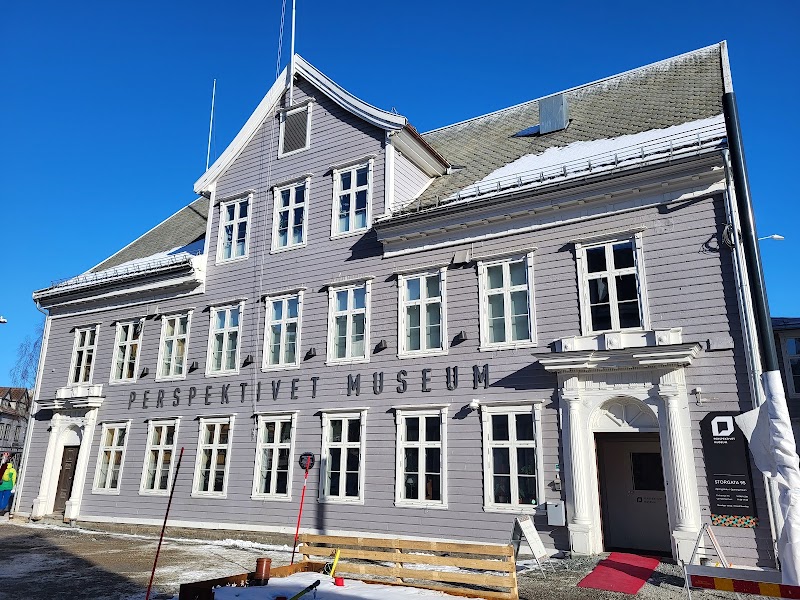
After the mountains, a west-coast town helps. Ready-made routes: Bergen, 3 self-guided days, Ålesund, 3 self-guided days, and Tromsø, 3 self-guided days.
Ready-made routes
Routes for your destination
Day-by-day plans you can adapt to your dates right away.
Questions and answers
Which Norway national parks fit in one trip?
In seven days from Oslo, a realistic set is Rondane, Jotunheimen, and one glacier: Jostedalsbreen or Folgefonna plus the edge of Hardangervidda. All five parks plus Svalbard do not fit in a week. Svalbard is a separate flight.
When is the hiking season in Norway?
Trail season in the parks is roughly late June through September. July is the busiest month on Besseggen. Winter on the plateau is for ski experience, not a first visit in a normal car.
Can you visit the parks without a car?
The Oslo–Bergen railway stops at Finse. The train to Otta opens Rondane and Jotunheimen. Beyond the station you often need a bus, a taxi, or your own legs. Glaciers are hard to see without a transfer to the car park.
What is the right of access in Norway?
Allemannsretten lets you walk and camp on uncultivated land, usually at least 150 metres from houses and not more than two nights in one spot. National parks add rules: drones, dogs off leash in season, and open fires in forest from 15 April to 15 September.
Are the animals dangerous?
These mainland parks do not have polar bears. Rondane and Hardangervidda have wild reindeer. Stay on the trail and do not chase a herd. Polar bears are on Svalbard. Outside the settlement you go only with a guide.