13:00
Start
24/7
Arrival at Hengyang Railway Station or Hengyang East Station at 13:00.
Have passports and train bookings ready for smooth transit exiting.
On mapG

BudgetMediumGroupCouple
Welcome to Hengyang, a city where classical Neo-Confucian scholarship meets sacred mountain peaks and mid-century industrial grandeur. Specially designed for two architecture and history enthusiasts traveling at an economical pace, this journey connects millennium-old academies, sacred Taoist and Buddhist sanctuaries, and riverside heritage across three immersive days.
🌤 WEATHER SUMMARY: November brings pleasant daytime highs of +16°C to +19°C (61°F–66°F) and brisk nights down to +9°C (48°F), though mountain summits like Zhurong Peak dip significantly lower (+4°C to +8°C). Rain is infrequent, yet morning river fogs and high-altitude mist often blanket stone stairways and open courtyards until mid-morning. With sunsets at roughly 17:40 CST, daylight fades swiftly by 17:15. Pack sturdy non-slip footwear for damp granite trails and wear a practical three-layer clothing system (breathable base, fleece mid-layer, and a wind/water-resistant outer jacket) to adapt seamlessly from urban streets to windy mountain ridges.
2026-11-10
Arrival at Hengyang Railway Station or Hengyang East Station at 13:00.
Have passports and train bookings ready for smooth transit exiting.
City bus or taxi into central Yanfeng/Zhengxiang District ( 25 min drive + 20 min check-in/luggage drop, total 45 min).
Base accommodation near the Xiang River waterfront for effortless evening walks.
Short city taxi or Bus 1/2 heading south along Zhengyang Road ( 10 min drive + 10 min buffer, total 20 min).
Set your drop-off directly at the northern gate of Yanfeng Park. Promenade egg: Look for the vintage stone-engraved goose motifs decorating the road lampposts along Yanfeng Road.
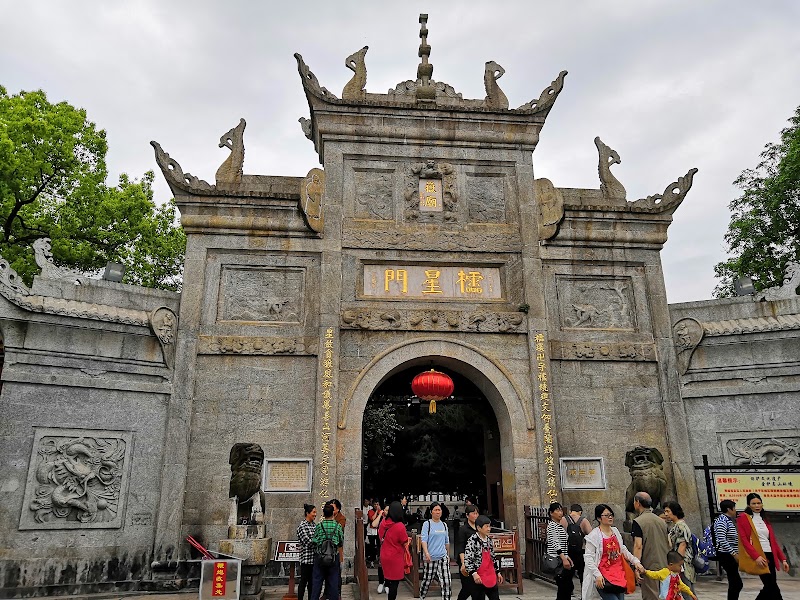
Perched on the historic "First Peak of Mount Heng's 72 Peaks," this revered hill marks the mythical boundary where migrating wild geese turned north for the winter. It houses the serene Yanfeng Temple, established during the Liang Dynasty over 1,500 years ago, surrounded by leafy stone terraces overlooking old Hengyang. According to ancient southern folklore, winter geese refused to fly south of this hill because the terrain beyond grew too warm and alien.
Free admission to grounds and temple; Wild Goose Hall exhibition ¥38. No advance reservations needed.
Short taxi ride south along Xiangjiang South Road ( 4 km, 10 min drive + 10 min buffer, total 20 min).
Arrive at the western bank of the pedestrian suspension bridge leading onto the island.
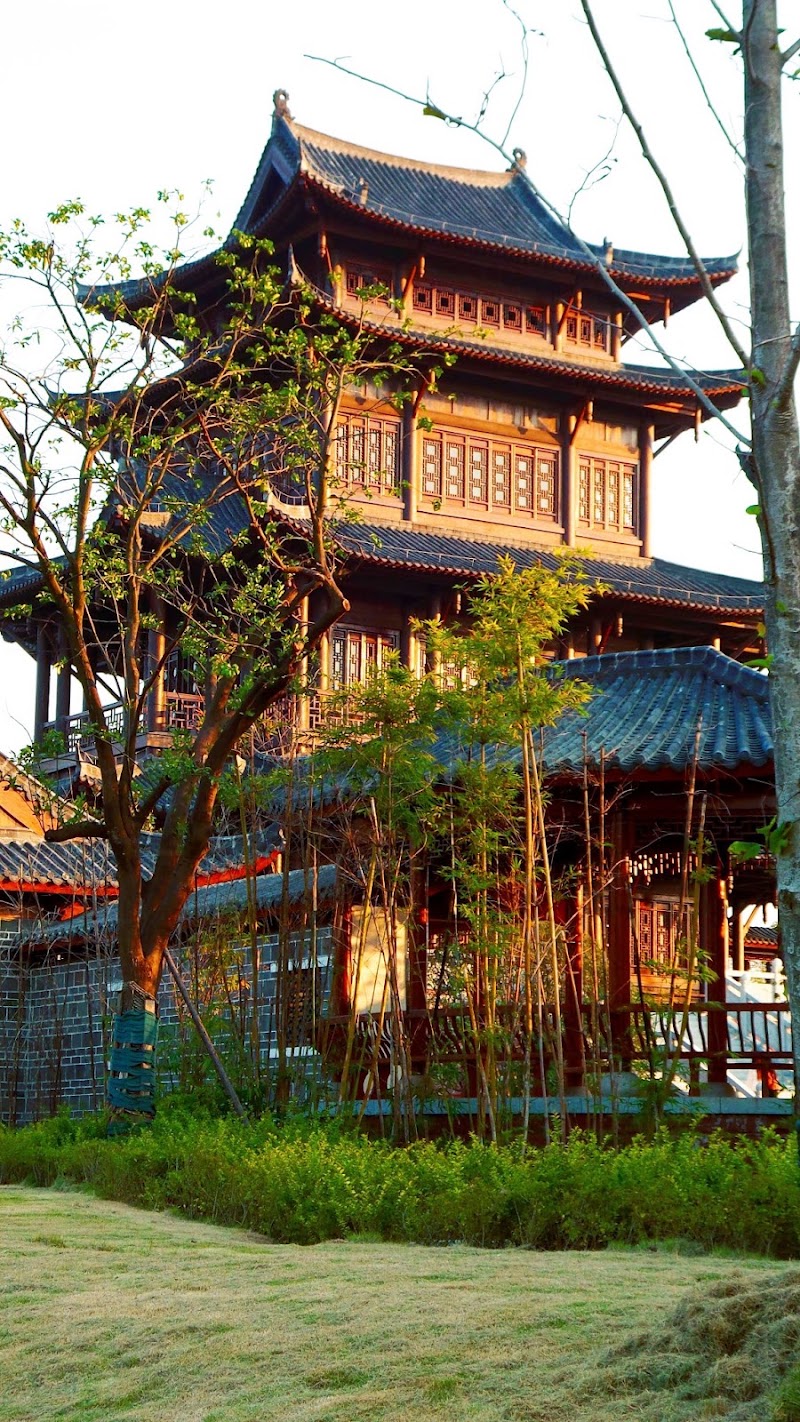
This lush alluvial island in the Xiang River features the reconstructed Chuanshan Academy, originally relocated here in 1885 by Qing statesman Peng Yulin in honor of the great philosopher Wang Fuzhi. The courtyard structures exhibit quintessential late-Qing timber-frame academy architecture with upturned grey eaves, tranquil water features, and riverside study pavilions. Prominent revolutionary figures and thinkers of modern Hunan studied within these exact lecture halls at the dawn of the 20th century.
Free entry (valid passport or Chinese ID required at turnstiles). Sunset arrives around 17:40, casting rich golden reflections across the river water.
Walk across the Dongzhou Island footbridge to the Yanfeng embankment dining promenade ( 15 min walk + 5 min buffer, total 20 min).
Put on an extra windbreaker; river breezes become notably chilly right after dusk. Promenade egg: Glance down at the modern bridge railing panels, which feature carved quotes from Wang Fuzhi's philosophical treatises.
Short stroll from the dining district onto the illuminated pedestrian riverwalk ( 5 min walk + 10 min buffer, total 15 min).
Well-paved, pedestrianized promenade with no vehicle access.
A broad riverfront esplanade offering open vistas of Hengyang's illuminated bridges and the floodlit pavilions of Dongzhou Island. It serves as the social heart of the city after dark, where locals gather to walk under weeping willows and watch passing barges on the river. The Xiang River flows north into Dongting Lake and the Yangtze, forming the ancient waterborne highway that connected southern Hunan to the imperial capitals.
Free public access. Bring a camera to capture long-exposure views of Dongzhou Island's pagoda illuminated in warm lanterns across the water.
This route is yours now
Save it so you don’t lose it. Add dates and a hotel — we’ll help adapt the plan to your trip.
No manual copying of addresses and notes.
Getting ready for your trip? Checklists and tips
Google Maps Photo: wong yuen, Starling Skies, 前世注 今生過, Tan Nguyen Ngoc, Duckduck Bird