
How to plan the visit
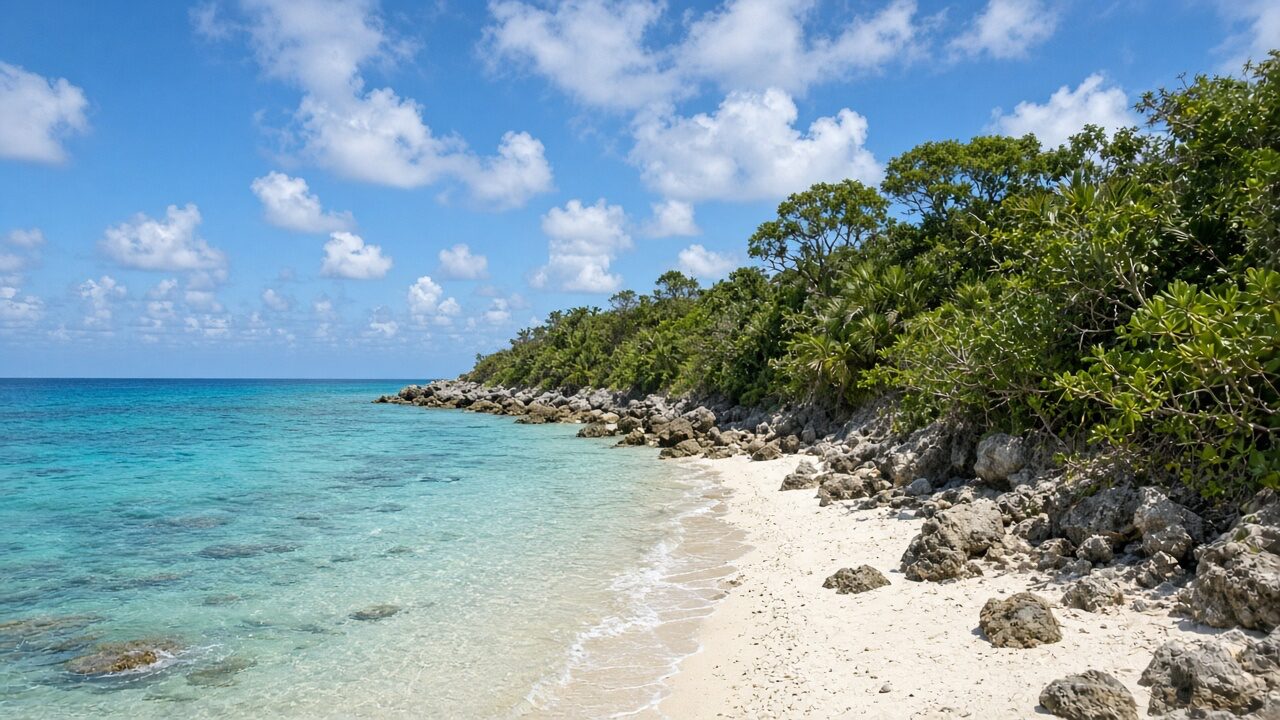
Okinawa is not one beach resort: the main island, Kerama, Miyako and Yaeyama require different logistics. Choose by lifeguards, jellyfish nets, transport and sea conditions rather than water colour alone.
The key decision is a realistic pace. Families should favour lifeguards, jellyfish nets, showers and a gentle entry. Experienced swimmers must still respect currents and closures. Confirm access, weather and transport on the day, then remove secondary stops if the schedule begins to slip.
Transport and timing
Without a car, Naminoue and shuttle-served beaches are easiest; the main island’s north needs a bus or car. Outer islands require a ferry or domestic flight plus contingency for cancellations.
Do not place connections immediately against a ticket slot or final service. Keep one fallback for the Okinawa archipelago: During a typhoon or strong wind, postpone the sea and choose museums, crafts or castle sites. Never replace an official swimming closure with a “hidden cove” recommendation from social media. This protects the day without risky improvisation.
Before setting out, check:
- official opening information and final admission;
- weather, road or sea notices when relevant;
- return transport and accessibility for your group.
Route order
Separate the trip by island system: Naha and Naminoue on a city day, a managed main-island beach on the driving day, and Kerama on its own ferry day. Transfers between island groups are not short beach stops.
- Stage 1. Naha city day with Naminoue. Reassess energy and actual time before continuing.
- Stage 2. a managed beach with facilities. Reassess energy and actual time before continuing.
- Stage 3. snorkelling only after checking sea conditions. Reassess energy and actual time before continuing.
- Stage 4. a separate day for Kerama or the island’s north. Reassess energy and actual time before continuing.
Plan lunch beside the beach before small cafes close and buy water in town. If lifeguards raise a flag or a ferry is cancelled, switch to castle sites and crafts rather than searching for an unguarded cove.
Who it suits and alternatives
Families should favour lifeguards, jellyfish nets, showers and a gentle entry. Experienced swimmers must still respect currents and closures.
An alternative is not an inferior plan; it is a route for different constraints. During a typhoon or strong wind, postpone the sea and choose museums, crafts or castle sites. Never replace an official swimming closure with a “hidden cove” recommendation from social media. Families, travellers with limited mobility and anyone facing heat or cold should reduce transfers before reducing the meaningful parts.
Local rules and practical details
- Follow flags, lifeguards and seasonal swimming boundaries.
- Do not stand on coral or feed fish.
- Use reef-conscious protection and cover skin from the sun.
Visit Okinawa lists each beach’s facilities, including lifeguards, showers and nets, while Kotsu Okinawa covers buses. Check sea conditions and the swimming season that morning because facilities do not prove the water is safe today.
Where to stay and protect the trip
Naha suits a car-free stay, Onna serves resort beaches, and Motobu shortens northern journeys and Churaumi access. Compare Okinawa bases · Check marine-activity cover
Build the day without unnecessary transfers
Add the essential stop, entry time and hotel area, then let the planner arrange a route around your pace.
Frequently asked questions
How much time should I allow?
Families should favour lifeguards, jellyfish nets, showers and a gentle entry. Experienced swimmers must still respect currents and closures. Keep at least two hours for a short visit and half a day or more for the complete route.
What is the best way to get there?
Without a car, Naminoue and shuttle-served beaches are easiest; the main island’s north needs a bus or car. Outer islands require a ferry or domestic flight plus contingency for cancellations.
Do I need to book ahead?
Check the official source before travel. Reserve ahead where timed entry or limited capacity applies; do not rely on old blog prices or opening hours.
What should I do if conditions change?
During a typhoon or strong wind, postpone the sea and choose museums, crafts or castle sites. Never replace an official swimming closure with a “hidden cove” recommendation from social media.