
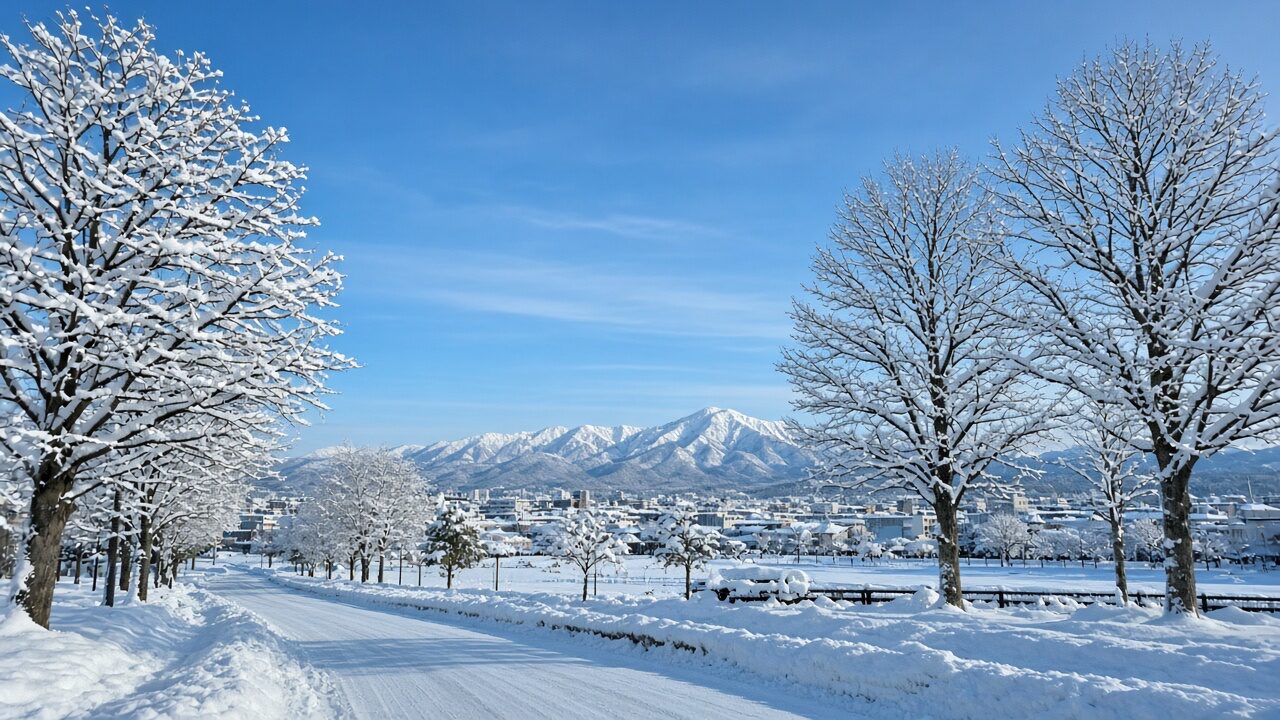
How to plan the visit
Winter Hokkaido works best as two regions rather than a race across the island. Sapporo-Otaru plus one ski area is compact; Abashiri, Kushiro or Furano need extra days and weather contingency.
The key decision is a realistic pace. It suits snow, onsen, seafood and winter-sport travellers. Anyone uncomfortable on ice should use a city base and organised excursions. Confirm access, weather and transport on the day, then remove secondary stops if the schedule begins to slip.
Transport and timing
JR and intercity buses remove winter-driving risk on main corridors. Check the last service for remote places. A car requires snow experience and strict avoidance of improvised detours.
Do not place connections immediately against a ticket slot or final service. Keep one fallback for Hokkaido: Niseko offers international infrastructure, Furano a central location, and Rusutsu a resort format. When passes close, remain in the current town rather than trying to drive around a storm. This protects the day without risky improvisation.
Before setting out, check:
- official opening information and final admission;
- weather, road or sea notices when relevant;
- return transport and accessibility for your group.
Route order
Build a western block around Sapporo, Otaru and one resort, then treat eastern Hokkaido as a separate flight or long rail segment. Alternating Niseko, Furano and Abashiri every day produces more transfers than winter experiences.
- Stage 1. two Sapporo days using underground walkways. Reassess energy and actual time before continuing.
- Stage 2. half-day or overnight in Otaru. Reassess energy and actual time before continuing.
- Stage 3. two or three days in one ski or onsen area. Reassess energy and actual time before continuing.
- Stage 4. a separate eastern block only with sufficient contingency. Reassess energy and actual time before continuing.
Place a hot lunch before the final daylight train and use the onsen after check-in, when no further icy walk is required. In a blizzard, keep city food and underground passages, cancelling the remote photo stop rather than chasing it after dark.
Who it suits and alternatives
It suits snow, onsen, seafood and winter-sport travellers. Anyone uncomfortable on ice should use a city base and organised excursions.
An alternative is not an inferior plan; it is a route for different constraints. Niseko offers international infrastructure, Furano a central location, and Rusutsu a resort format. When passes close, remain in the current town rather than trying to drive around a storm. Families, travellers with limited mobility and anyone facing heat or cold should reduce transfers before reducing the meaningful parts.
Local rules and practical details
- Wear high-grip footwear and use short steps on ice.
- Check tattoo and bathing policies before an onsen visit.
- Review JR, bus and airline notices each transfer morning.
JR Hokkaido reports rail delays and cancellations, while Hokkaido Love covers seasonal access and events. Check the specific resort bus as well because a late JR arrival does not guarantee a connecting shuttle.
Where to stay and protect the trip
Sapporo is the main transport base, Otaru suits a quiet night, and ski-in/ski-out lodging removes the daily bus. Compare Hokkaido stays · Review winter-sport cover
Build the day without unnecessary transfers
Add the essential stop, entry time and hotel area, then let the planner arrange a route around your pace.
Frequently asked questions
How much time should I allow?
It suits snow, onsen, seafood and winter-sport travellers. Anyone uncomfortable on ice should use a city base and organised excursions. Keep at least two hours for a short visit and half a day or more for the complete route.
What is the best way to get there?
JR and intercity buses remove winter-driving risk on main corridors. Check the last service for remote places. A car requires snow experience and strict avoidance of improvised detours.
Do I need to book ahead?
Check the official source before travel. Reserve ahead where timed entry or limited capacity applies; do not rely on old blog prices or opening hours.
What should I do if conditions change?
Niseko offers international infrastructure, Furano a central location, and Rusutsu a resort format. When passes close, remain in the current town rather than trying to drive around a storm.