
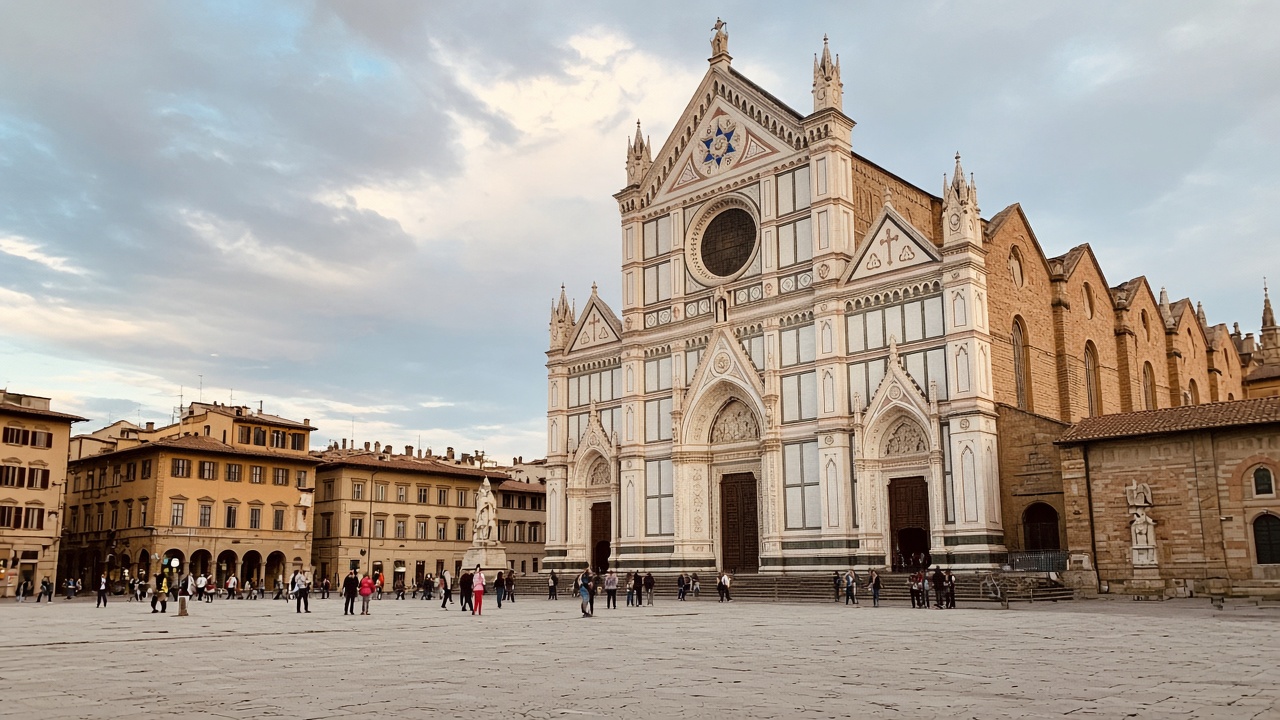
Why Santa Croce is Florence’s pantheon of Italian glory
Santa Croce is a Franciscan church first and a celebrity cemetery second—but that second role is why millions visit. From the 15th century onward, Florence buried its artists, thinkers, and patriots here until the nave felt like a national portrait gallery in marble. Ugo Foscolo’s phrase “Tempio delle Itale Glorie” stuck in guidebooks as the “pantheon of Italian glory,” and the label still fits when you stand between Michelangelo’s tomb and Galileo’s monument.
Unlike the tourist crush at the Duomo, Santa Croce rewards slow reading: each slab tells a chapter of Italian history. You do not need a PhD—just enough time to connect names you already know with the city that shaped them. For a first trip, slot it into our 3-day Florence itinerary for first-timers or the slower 5-day first-time plan.
Pair the basilica with the Duomo complex and the Accademia for a triangle of must-sees—see our Florence Duomo guide and Accademia Gallery and David guide.
Tombs and cenotaphs: Michelangelo, Galileo, and more
Michelangelo Buonarroti
Three muses mourn over the sculptor’s tomb—designed by Giorgio Vasari with sculpture by Giovanni Battista Lorenzi and others. It sits in the right aisle near the entrance, always surrounded by quiet crowds. Give yourself five minutes here before rushing to Giotto; the contrast between living marble grief and Michelangelo’s own unfinished Slaves at the Accademia is one of Florence’s best art lessons.
Galileo Galilei
Galileo’s monument arrived late—he was initially buried in a small room without public honor. Today’s tomb, with its astronomical symbolism, faces Michelangelo across the nave. Stand between them and you feel why Florence claims both scientific revolution and Renaissance art.
Machiavelli, Rossini, and Dante’s cenotaph
Niccolò Machiavelli’s plain slab reminds you that politics here was written, not only painted. Gioachino Rossini’s tomb celebrates opera. Dante’s cenotaph is the emotional outlier: the poet never returned to Florence alive, yet the city built him an empty tomb as apology and boast. Read the inscription, then look up at the starry vault—Dante is everywhere except underground.
Art beyond tombs: Giotto, Pazzi Chapel, leather school
Giotto frescoes
In the Bardi and Peruzzi chapels, Giotto’s narratives still read clearly after centuries—bold color, human faces, Franciscan stories. Lighting is controlled; visit mid-morning when the nave is brightest. These frescoes are why art historians call Santa Croce a classroom, not only a cemetery.
Pazzi Chapel
Filippo Brunelleschi’s small chapel off the cloister is Renaissance geometry at its calmest: grey pietra serena, white walls, perfect proportions. Tickets are separate or bundled—check the same operator as the basilica. If you climbed Brunelleschi’s dome at the Duomo, this chapel shows the same mind at intimate scale.
Scuola del Cuoio
Through the basilica cloister, the Scuola del Cuoio (leather school) still trains artisans and sells bags, belts, and jackets. Watch embossing demos if a class is running; prices reflect real Florentine leather, not market-stall copies. It is an easy gift stop after tombs—without replacing a proper museum morning.
The 1966 flood in brief
On 4 November 1966 the Arno rose fast. Mud and heating oil flooded Santa Croce to more than two metres. Cimabue’s large crucifix—once in the refectory—suffered catastrophic damage and became the icon of the disaster worldwide. Volunteers became “mud angels,” rinsing books, statues, and panel paintings in makeshift labs across the city.
You will not need a long exhibit to feel the story: notice humidity controls, restored works, and discreet plaques. The message for travellers is practical too—flood markers along the Arno remind you that masterpieces live at river level. Visit in dry season mornings when possible, and keep travel insurance sensible for any Italy trip.
Practical information for visitors in 2026
Address: Piazza di Santa Croce, 50122 Florence. Opening hours follow church and museum patterns—typically morning to late afternoon, closed on some religious holidays. Adult basilica tickets often land around €8–10; the Pazzi Chapel may add €7–9. Treat numbers as orientation and confirm on the official Opera di Santa Croce ticket channels before you go.
Plan about 1.5 hours inside: tombs first, then Giotto, then cloister and chapel if your ticket includes them. Bags may go through security; large backpacks are discouraged. Dress covers shoulders and knees as in any major Italian church.
Stay in Sant’Ambrogio or near Santa Maria Novella for an easy walk—compare hotels near Santa Croce and the Duomo. A guided Florence walking tour with basilica entry helps if you want tomb stories without audio-guide headphones. Before flying, sort flights, travel insurance, and an eSIM for Italy.
| Cost | Range | Note |
|---|---|---|
| Basilica ticket (adult) | ~€8–10 | Confirm on official Opera di Santa Croce channels |
| Pazzi Chapel add-on | ~€7–9 | Often bundled or separate; check same-day combos |
| Audio guide | ~€6–8 | Optional; tombs benefit from context |
| Coffee on the square | ~€2–4 | Sit-down cafés cost more than standing bars |
| Trattoria lunch | ~€18–35 | Primi + water/wine in Sant’Ambrogio or Oltrarno |
| Half-day total pp | ~€35–60 | Excluding hotels and Uffizi-level extras |
After the basilica: trattoria and Chianti orientation
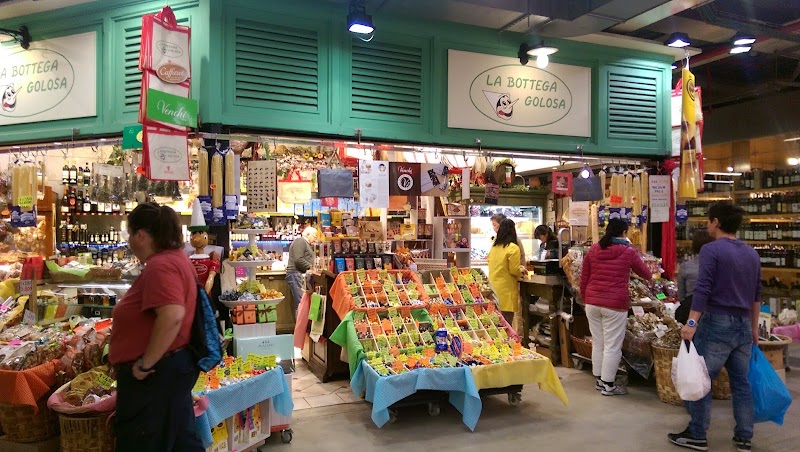
Sant’Ambrogio market streets east of the square serve honest lunch: ribollita, pappa al pomodoro, bistecca if you are hungry. You are not in wine-country hills, but any good trattoria lists Chianti Classico by the glass—enough to taste the region without a bus tour. Save long degustations for a dedicated day in the 5-day Florence route.
Couples often prefer a slow lunch here before an Oltrarno stroll; see our 3-day Florence itinerary for couples for pacing that leaves room for aperitivo later.
Where Santa Croce fits in your Florence walk
Classic east-to-centre day: Santa Maria Novella → Santa Croce → lunch → Duomo → Piazza della Signoria. If David is on your list, swap afternoon to the Accademia first thing and move Santa Croce to late morning—timed Accademia slots reward early discipline.
| Time | Stop | Note |
|---|---|---|
| 09:00 | Santa Maria Novella | Coffee near the station; walk east toward the Arno |
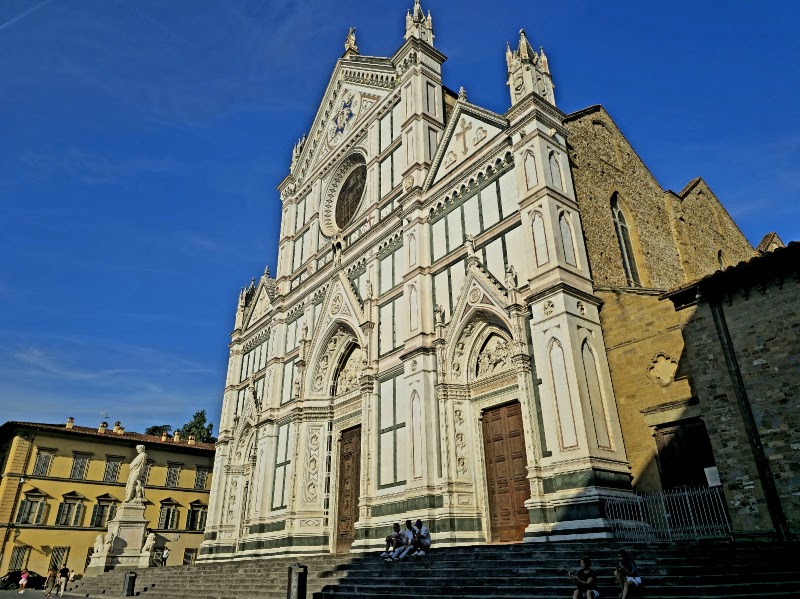
| 09:45 | Santa Croce square | Facade photos and leather-school window shopping |
| 10:15 | Basilica interior | ~1–1.5 h for tombs, Giotto, and Pazzi Chapel ticket if open |
| 12:00 | Lunch in Sant’Ambrogio | Trattoria or panini before crossing to the Duomo side |
| 14:30 | Duomo complex | Cathedral, Baptistery, or dome climb—see our Duomo guide |
AlpacaBag tip: read tombs before frescoes—your feet stay near the door for a quick exit to lunch, and the narrative arc (heroes → art → food) matches how Florence tells its own story.
Tombs, dome, and David without spreadsheet chaos
Tell AlpacaBag you want Santa Croce, the Duomo, and the Accademia in one art-forward trip—it will respect timed tickets and lunch breaks.
Ready-made routes
Routes for your destination
Day-by-day plans you can adapt to your dates right away.
FAQ
Why is Santa Croce called the “pantheon of Italian glory”?
Because so many national heroes are buried or commemorated here—Michelangelo, Galileo, Machiavelli, Rossini, and a cenotaph for Dante. The Franciscan basilica became Italy’s symbolic hall of fame long before modern tourism.
How long should I plan for Santa Croce?
About 1–1.5 hours inside for the main nave, tombs, and Giotto frescoes. Add 30–45 minutes if you visit the Pazzi Chapel and browse the Scuola del Cuoio leather school next door.
Do I need tickets in advance for Santa Croce?
Same-day purchase usually works outside peak weekends, but summer mornings can queue. Buy on the official ticket site or at the desk; combo tickets with the Pazzi Chapel save a second line when available.
Is Dante actually buried at Santa Croce?
No. Dante died in exile in Ravenna, where he is buried. Florence honors him with a cenotaph in Santa Croce—a empty tomb that marks the city’s regret and pride.
What happened in the 1966 flood?
The Arno burst its banks on 4 November 1966, flooding the nave with mud and oil. Cimabue’s crucifix and countless works were damaged; restoration became a symbol of Florence’s recovery. Today you see the results of decades of conservation work.
Can I combine Santa Croce with the Duomo in one day?
Yes. Santa Croce sits east of the centre; the Duomo is a 15–20 minute walk north-west. Morning at Santa Croce and afternoon at the cathedral complex is a classic art day—see our Duomo guide for timed dome or museum slots.