
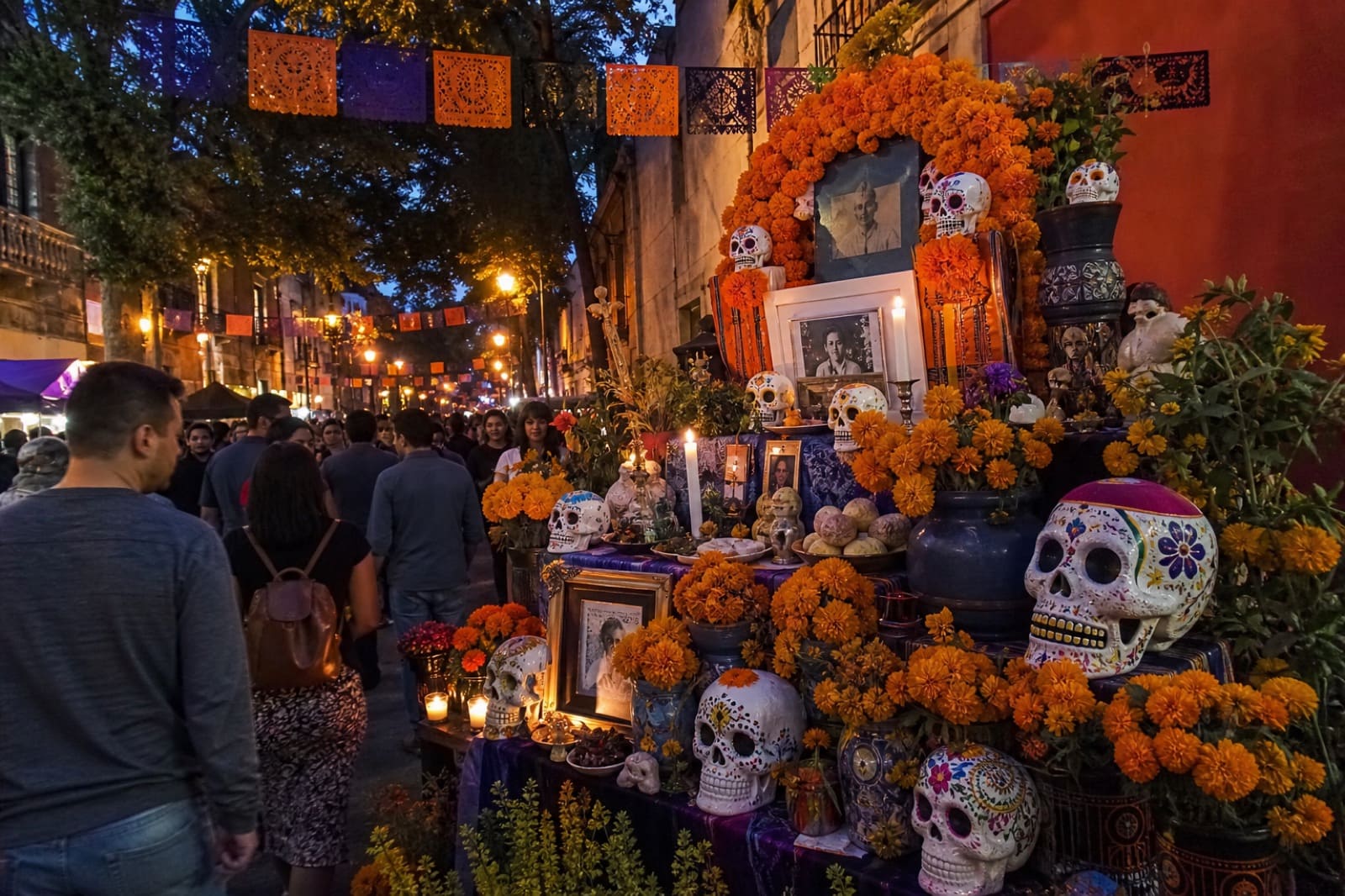
Día de Muertos in Mexico is a family remembrance with ofrendas, flowers, and night cemeteries—not a Halloween scare-fest. The tourist-friendly circuit is Mexico City for parades and city altars, then Oaxaca for a more intimate tradition. Pair the timing with our October destinations guide and the best-season overview.
Before you fly, compare flights into Mexico City, book a central hotel, add travel insurance, and set up an eSIM. Estimate costs with the travel budget calculator.
What it is and when to go
Short answer: the peak is November 1–2. Many cities start programming in late October—ofrenda exhibits, night tours, and parades. Treat CDMX peak nights like a festival: lock lodging early. For festival logistics, see planning a festival trip.
- Late October: altars go up, lighter crowds, easier arrival.
- November 1–2: families at graves, peak atmosphere, queues at famous spots.
- After November 3: museum ofrendas may remain, but night cemeteries quiet down.
Mexico City: parades, ofrendas, and neighborhoods
The capital delivers scale: the Día de Muertos parade (confirm the year’s route), museums with temporary ofrendas, and Roma / Centro storefronts glowing with altars. Plan 3–4 days: parade + walkable districts + one easier evening if you still have energy.
- Centro and the Zócalo host big official installs—arrive early.
- Museums and cultural centers offer calmer ofrendas and context.
- Guided walks are easy via an excursion marketplace if you prefer not to chase slots.
For classic necropolis tourism elsewhere, see the famous world cemeteries guide—the tone of Día de Muertos is different, but the etiquette rhyme is the same: families first, photos second.
Oaxaca: tradition without the spectacle
Oaxaca is markets, family ofrendas, and night cemetery visits in nearby villages. It feels denser and more intimate than the CDMX parade—less show, more living ritual. Plan 2–3 nights, use local transport or a transfer after dark, and avoid rolling into cemeteries as a loud tour pack.
Stitch the cities with our multi-city vacation guide or build logistics in the AlpacaBag planner.
Mexico City to Oaxaca
Daytime domestic flights take about an hour in the air (plus airport transfers). Comfort coaches run 6–7 hours; buy early for Día de Muertos peak. Buffer like a connection: Oaxaca lodging for November 1 sells out fast.
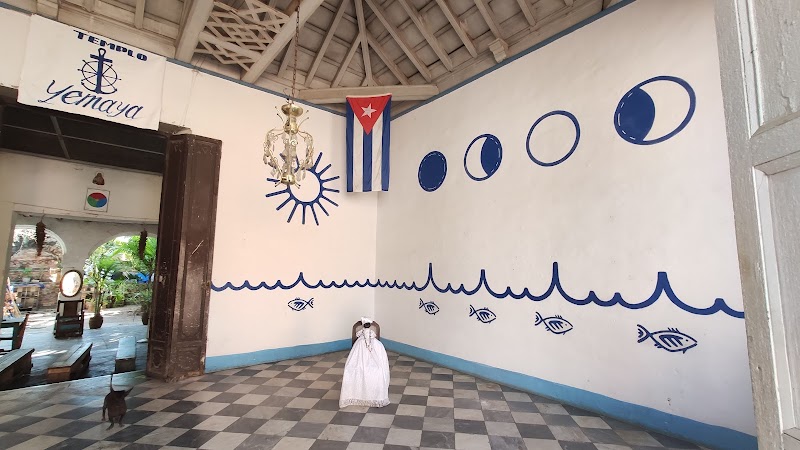
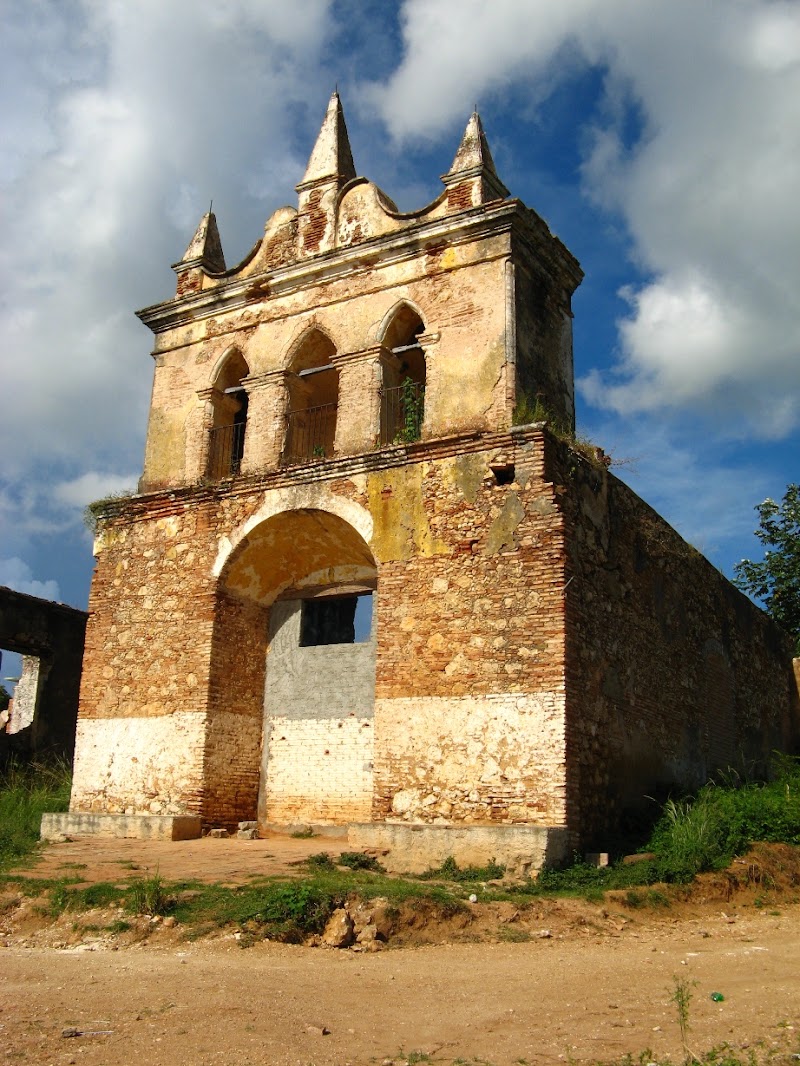
For another Latin America / Caribbean leg, compare getting around Cuba and the Colombia coffee-region itinerary. Ready-made days: Havana for architecture lovers, Trinidad for history, Medellín unusual guide.
Sample 5–7 day itinerary
- Days 1–2: Mexico City — Centro, ofrendas, evening walks without overloading.
- Day 3: parade / main city events (confirm the year’s schedule).
- Day 4: transfer to Oaxaca (morning flight / daytime bus).
- Days 5–6: markets, ofrendas, night cemetery with a guide or local contact.
- Day 7 (optional): fly out of Oaxaca or return to CDMX.
Build these days in AlpacaBag
The planner lays out Mexico City and Oaxaca by day, then adds a checklist and PDF. Nearby ready-made Americas options include Buenos Aires and Havana routes above.
Practical: etiquette, money, packing
- Etiquette: quiet voices at graves, ask before photos, no costume antics in cemeteries.
- Tipping: country baselines in the tipping guide.
- Packing: comfortable shoes, a light evening layer, power bank — see the long-trip packing guide.
- Connectivity & health: an eSIM and travel medical cover help in crowds and night transfers.
Ready-made routes
Routes for your destination
Day-by-day plans you can adapt to your dates right away.


FAQ
When is Día de Muertos in Mexico?
The main dates are November 1–2. Many cities start events in late October with ofrendas, night cemetery visits, and parades. For Mexico City’s big parade, arrive a few days early and book lodging months ahead.
What is the Mexican Day of the Dead called?
In Spanish it is Día de Muertos. It is not “Mexican Halloween”: the tone is familial and commemorative, with ofrendas, marigold flowers (cempasúchil), and cemetery visits.
Mexico City or Oaxaca — which is better?
CDMX delivers scale: parades, museums, and city ofrendas. Oaxaca feels more intimate—markets, family altars, and night cemeteries. A classic tourist split is 3–4 days in Mexico City and 2–3 in Oaxaca.
Can I take photos in cemeteries?
Ask families for permission, skip flash in people’s faces, and never stand on graves for a shot. Public parades are usually fine to photograph; private ofrendas and graves need quiet respect.
How does AlpacaBag help with the itinerary?
The AI planner builds day-by-day Mexico City and Oaxaca plans with logistics, a packing checklist, and a PDF. Start from ready-made Americas routes (Cuba, Colombia) and customize Mexico in the wizard.