08:45
Start
Begin your morning journey in central Hiroshima and head into Peace Memorial Park.
Early start ensures peaceful exploration before daytime crowds assemble.
На картеG

Welcome to your bespoke architectural and cultural journey through Hiroshima. Tailored for a relaxed, first-time exploration, this unique itinerary blends iconic modernism and Metabolism design with tranquil autumn sanctuaries, stunning viewpoints, and vibrant culinary traditions.
🌤 WEATHER SUMMARY: Mid-November in Hiroshima brings crisp, clear autumn weather with pleasant daytime highs around +16…+18 °C and cool evenings down to +8…+13 °C. Sunset arrives early ( 17:05–17:10), making morning starts essential for viewpoints and autumn foliage (Momiji) spots. We recommend multi-layered clothing—a light sweater paired with a windproof jacket—so you can easily adapt to sunny afternoons and chilled mountain breezes on Miyajima or Mount Futaba.
2026-11-13
Begin your morning journey in central Hiroshima and head into Peace Memorial Park.
Early start ensures peaceful exploration before daytime crowds assemble.
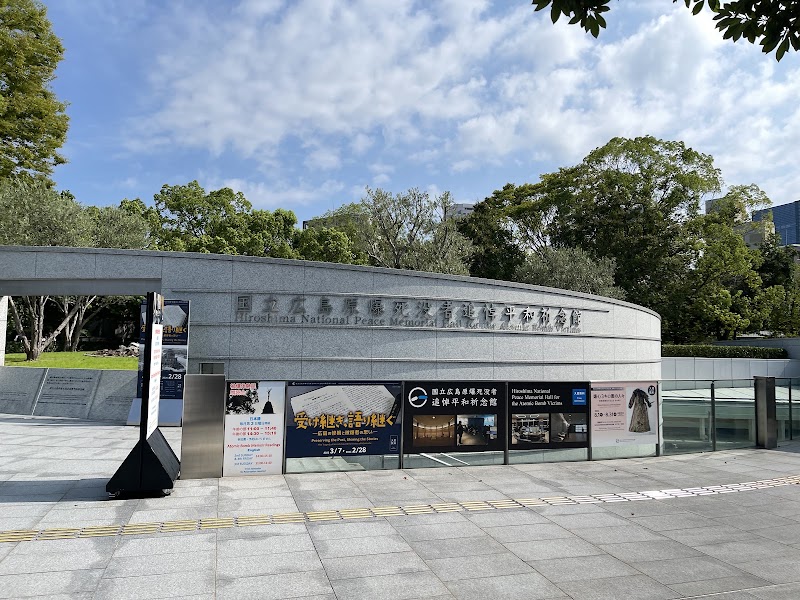
A modernist masterwork designed by Pritzker laureate Kenzō Tange (1955). Raised on massive concrete pilotis, the building creates a unified symbolic sightline connecting the Flame of Peace and the Genbaku Dome. Highlighting poignant artifacts and personal accounts, it stands as an architectural beacon of global peace. Official site: Hiroshima Peace Memorial Museum
Admission ¥200. Reserve timed-entry tickets online via the official site to skip long lines.
Walk 5 min north past the Peace Pond and Memorial Cenotaph (+ 5 min buffer).
Pause briefly at the Flame of Peace, designed to burn continuously until all nuclear weapons are dismantled.
A subterranean sanctuary designed by Akira Kuryu that invites quiet reflection beneath the surface of the park. Visitors descend a gentle circular ramp into a hall lined with 140,000 mosaic tiles, depicting a 360-degree panorama of Hiroshima as seen from the hypocenter after the blast. Official site: Hiroshima National Peace Memorial Hall
Free admission. No advance booking required. Promenade detail: Notice how water continuously trickles at the central clock set at 8:15 AM—a quiet tribute offering water to victims.
Walk 7 min across Motoyasu Bridge toward the east riverbank (+ 5 min buffer).
Look down into the Motoyasu River to spot the tidal water levels shifting throughout the day.
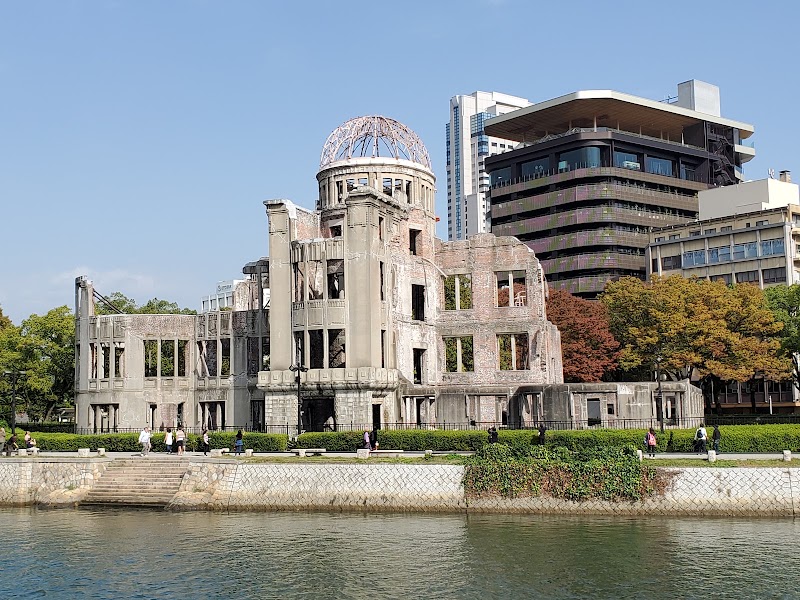
Originally the 1915 Czech-designed Commercial Exhibition Hall by Jan Letzel, this skeleton structure survived the near-vertical shockwave directly beneath the blast. Its exposed steel dome and brick remnants remain the defining symbol of the city’s endurance and rebirth.
Free public access.
Stroll 5 min into the Hondori commercial district (+ 10 min buffer).
Check out the retro street-lamp posts lining the entrance to the Hondori arcade.
Walk 5 min north to the corner adjacent to the Dome (+ 5 min buffer).
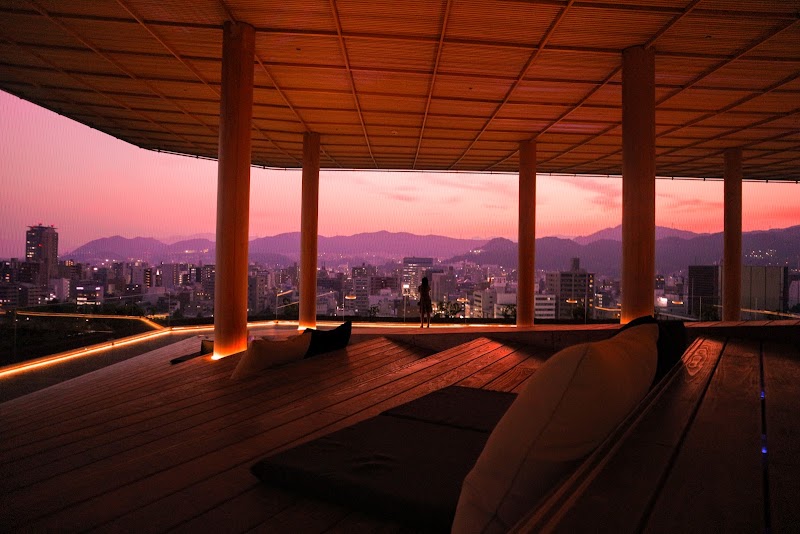
Designed by Hiroshi Sambuichi, this timber-clad structure features the "Hiroshima Hills" open-air wooden rooftop deck with sweeping views of Peace Park and Hiroshima Castle. Visitors can fold paper cranes and drop them down a glass wall facade that slowly fills over time. Official site: Hiroshima Orizuru Tower
Adult entry ¥2,200. Tickets available on-site or online.
Stroll 10 min south along Fukuromachi's tree-lined avenues (+ 10 min buffer).
Promenade detail: Keep an eye out for vintage brick accents along Fukuromachi’s boutique side streets.
A neoclassical ferro-concrete landmark completed in 1936, located just 380 meters from the explosion hypocenter. Its heavy concrete structure and reinforced steel window shutters withstood the blast wave, allowing bank operations to resume inside just two days later.
Free admission. Open daily.
Walk 10 min east toward Nagarekawa / Hatchobori (+ 20 min buffer).
Enjoy the bright neon lanterns illuminating as dusk settles over Nagarekawa's dining lanes.
Понравился маршрут? Заберите его с собой за 1 минуту!
Сэкономьте часы на планировании — скопируйте готовый план в свой аккаунт и отредактируйте под свои даты.