13:00
🚇 Arrival & Transit
Transfer to the city center. Use the time to observe the complex subterranean "city" beneath Tokyo Station.
Don't miss
Look for the "Silver Bell" meeting point inside the station.
Drop bags in lockers ($5–$7).

BudgetMediumGroupCoupleInterestsArchitecture
Welcome to a curated architectural pilgrimage through Tokyo, designed specifically for two travelers who appreciate the structural evolution and spatial storytelling of one of the world's most visually captivating metropolises. From Meiji-era elegance to Metabolism and contemporary glass masterpieces, this journey is crafted to inspire your creative soul.
🌤 WEATHER SUMMARY & NUANCES: June in Tokyo brings the "Tsuyu" rainy season—expect temperatures between +24°C and +28°C with high humidity. The air feels heavy, and sudden downpours are common. Attire: Wear breathable, quick-dry fabrics and waterproof shoes. Essentials: A sturdy umbrella is a must (pick up a clear one at any 7-Eleven for the classic Tokyo aesthetic). Pro Tip: The rain actually enhances the textures of concrete and the vibrant greens of the Nezu Museum garden, making it a perfect time for moody architectural photography.
2026-06-17
Transfer to the city center. Use the time to observe the complex subterranean "city" beneath Tokyo Station.
Drop bags in lockers ($5–$7).
A grand 1914 red-brick landmark that survived the 1923 earthquake and WWII. Notice the intricate relief carvings inside the North and South domes. The station was modeled after Amsterdam’s Centraal, though with a distinct Japanese flair. Official site: Tokyo Station City
A short stroll through the Marunouchi business district, known for its high-end street furniture and manicured trees.
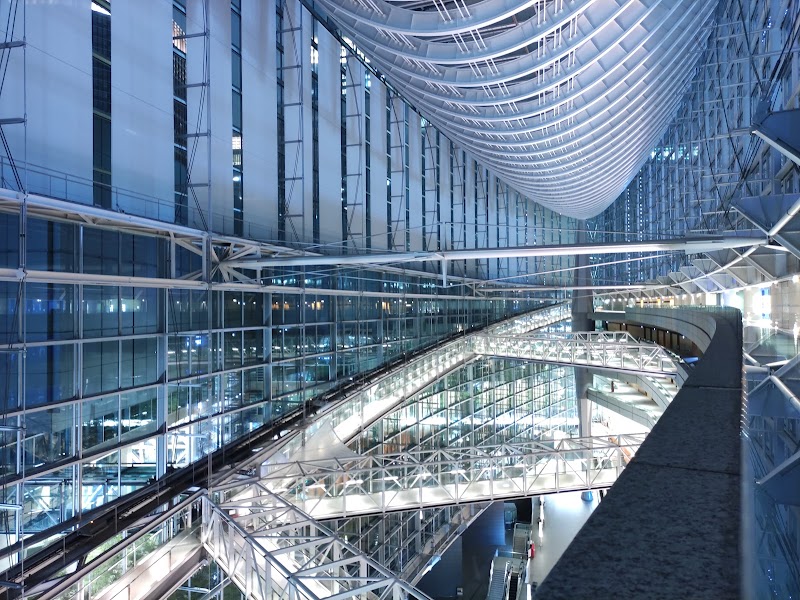
A masterpiece of glass and steel by Rafael Viñoly, featuring a 60-meter-high atrium that resembles a ship's hull. The play of light on the floor during a rainy day is hypnotic. The structure contains over 10,000 glass panes. Official site: Tokyo International Forum
Short hop to the heart of Tokyo's luxury district.
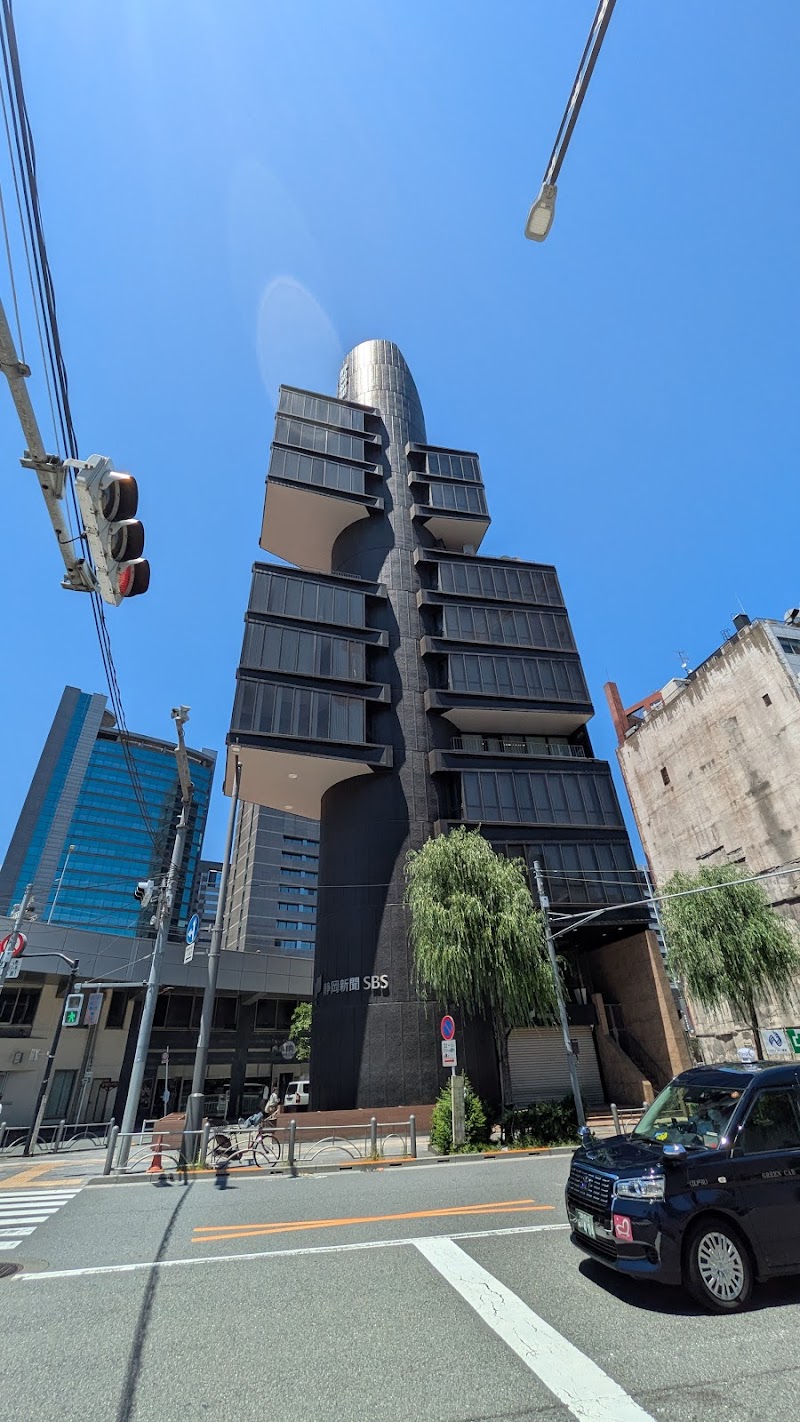
A rare, surviving icon of the Metabolism movement designed by Kenzo Tange. It looks like a giant trunk with modular "pods" plugged into it. It was designed to be "grown" by adding more pods as needed, though none were ever added.
Transition from the old-school Ginza to the modern art hub of Roppongi.
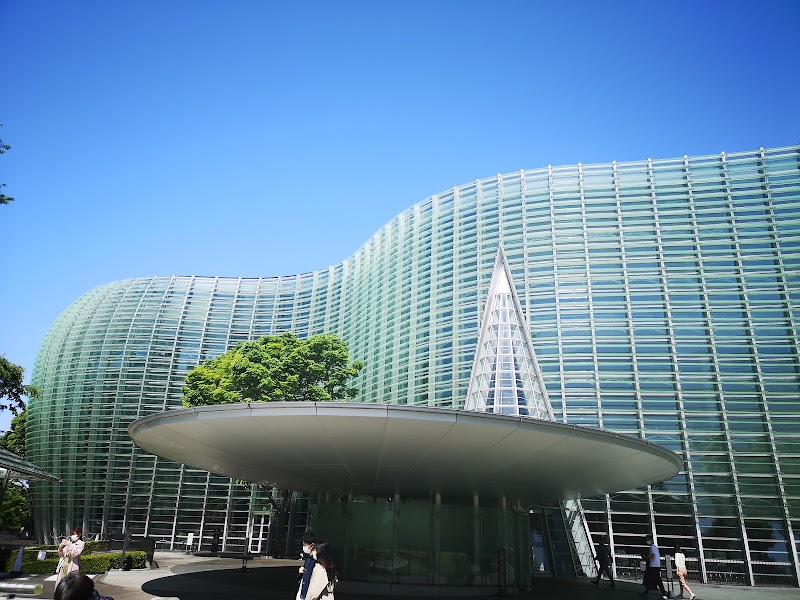
Kisho Kurokawa’s undulating glass wave facade is a marvel of organic architecture. Inside, two massive inverted concrete cones house cafes that seem to float in mid-air. It is Japan's largest exhibition space but has no permanent collection. Official site: National Art Center Tokyo
A pleasant walk through the "Midtown Garden" park.
Tadao Ando’s signature smooth concrete meets Issey Miyake’s "A Piece of Cloth" concept in this low-slung building. Most of the gallery is hidden underground to preserve the park's landscape. The roof is made from a single folded steel plate. Official site: 21 21 Design Sight
A short walk towards the Mori Tower.
💰 Бюджет дня: 11,100 JPY / $68.82 (Includes lockers, 21 21 entry, dining in Roppongi, and transit).
This route is yours now
Save it so you don’t lose it. Add dates and a hotel — we’ll help adapt the plan to your trip.
No manual copying of addresses and notes.
Getting ready for your trip? Checklists and tips
Google Maps Photo: milano6440, なかじー, 小川ゆうこ, ゆずたそ, 東急プラザ表参道「オモカド」, 表参道ヒルズ