Embark on an unforgettable solo journey to the Roof of the World, where ancient Tibetan spirituality, Himalayan mountain vistas, and tranquil monastic courtyards create the ultimate contemplative escape. Thoughtfully sequenced for smooth altitude acclimatization, this 3-day itinerary balances iconic architectural marvels with serene, off-the-beaten-path cultural encounters.
🌤 Weather summary and notes
🌤 WEATHER SUMMARY & ADVICE: November in Lhasa brings crisp, crystal-clear high-altitude weather with brilliant sunshine, extremely low humidity ( 30–35%), and virtually zero rainfall. Daytime highs comfortably reach +10°C to +13°C (50°F–55°F) under direct solar radiation, but temperatures plummet sharply after sunset to freezing lows between -4°C and -7°C (19°F–25°F). Because Tibet runs on Beijing Time (UTC+8) despite its western geography, true daylight starts late (sunrise 08:15) and fades around 19:00. Dress in versatile layers: breathable thermals and a medium fleece for midday walks, plus a windproof down jacket, thermal beanie, and warm gloves ready in your daypack for late afternoons and evenings. Bring SPF 50+, polarized sunglasses, and moisturizing lip balm to counter intense UV radiation and rapid plateau dehydration.
🏨 Hotel recommendations
Lhasa Kyichu Hotel <br (Traditional 3-star boutique heritage hotel) · Located on East Beijing Road (Chengguan / Old Town), perfectly positioned between Jokhang Temple / Barkhor Street and the Potala Palace. It is just a 5–7 minute flat walk to Day 1 sites (Ani Tsankhung Nunnery and Barkhor Street), eliminating long commutes after arrival and keeping high-altitude walking to a minimum. Highly experienced with solo guests and foreign travelers; features English-speaking staff, seamless permit registration, an authentic courtyard garden for sipping hot sweet tea or ginger broth to acclimatize, heated rooms, and continuous hot water. · 325 CNY / night
House of Shambhala Heritage Hotel <br (Traditional Tibetan courtyard guesthouse) · Tucked away in Jiri 2nd Alley in the heart of the historic Barkhor quarter. Steps right out into Old Town pedestrian alleys, less than 400 meters from Jokhang Temple and Ani Tsankhung Nunnery—flawlessly matching Day 1 evening walks and dining. Ideal for solo cultural explorers seeking character and calm away from noisy arterial roads. Features wood-paneled Tibetan rooms, thick duvets for chilly November nights, an intimate on-site restaurant serving hearty Tibetan dishes, and a rooftop terrace overlooking historic rooftops. · 360 CNY / night
Yak Hotel Lhasa <br (Classic 3-star Tibetan-managed hotel) · Situated on East Beijing Road, approximately 300 meters north of Jokhang Temple and Barkhor Street. Central roadside location ensures straightforward licensed-vehicle drop-off at the lobby upon your 14:30 Day 1 transfer, as well as an easy departure pick-up point on Day 3 for midnight airport transit. A legendary base for solo travelers, offering reliable international passport registration, on-demand oxygen supplies, fast Wi-Fi, clean standard heated rooms, on-site breakfast, and a helpful travel desk to coordinate morning transfers to Sera and Drepung Monasteries. · 290 CNY / night
Welcome to the Roof of the World. Clear arrival checkpoints and meet your licensed local Tibetan guide who will accompany your logistics throughout your stay.
Arrival at Lhasa Gonggar Airport (LXA) or Railway Station; clear security and present Tibet Travel Permit.
13:15
🚕 Road to Old Town Hotel
Scenic drive along the emerald ribbon of the Kyu-chu (Lhasa River) through granite valley gorges.
Airport expressway transfer 60 min + buffer 15 min, total 75 min; arrival at Old Town 14:30. Keep car windows cracked slightly to ease acclimatization to 3,650 m.
A gentle, flat introduction to Old Lhasa's whitewashed stone alleys. Look up to spot black-and-white yak-hair window valances ( shambu ) fluttering above carved timber frames.
Walk 5 min + buffer 15 min, total 20 min; arrival 15:15. Flat terrain inside Barkhor's dining quarters.
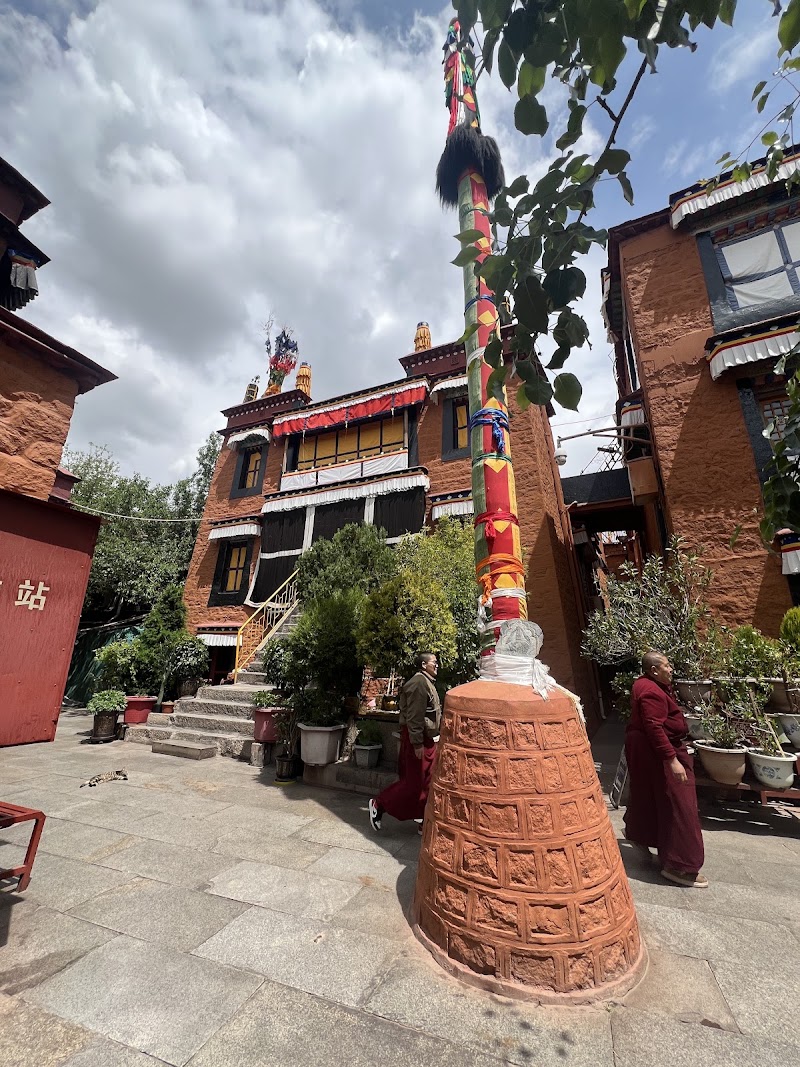
Founded in the 15th century, this is the only active Buddhist nunnery within Lhasa's ancient walled core. Its immaculate central courtyard brims with potted marigolds and melodic chanting, offering a remarkably tranquil contrast to the bustling town outside. A genuine Deep beneath the prayer hall lies an authentic 7th-century rock-hewn meditation grotto once used by King Songtsen Gampo himself.
Don't miss
Step into the sunlit open-air courtyard tea corner run by the nuns to hear their afternoon chanting drift across the flagstones.
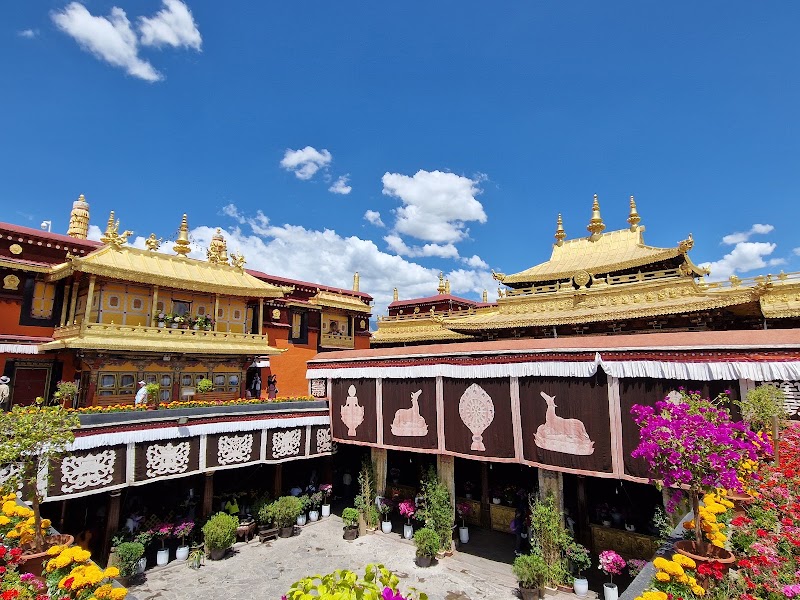
Considered the spiritual heart and compass point of all Tibetan Buddhism, this UNESCO-listed temple was founded in the 7th century to cement royal Himalayan ties. Inside its butter-lamp-lit corridors stands the sacred Jowo Shakyamuni, a life-sized golden statue brought by Princess Wencheng in 641 AD. A true Its rooftop offers an open vista framing four gleaming gilded roofs directly against the distant Potala Palace.
Don't miss
Head up to the open upper gallery to inspect the centuries-old timber pillars carved with early Indian and Nepalese motifs.
Tickets CNY 85, pre-booked 1–3 days prior via official WeChat mini-program / local operator. Passport and permit required.
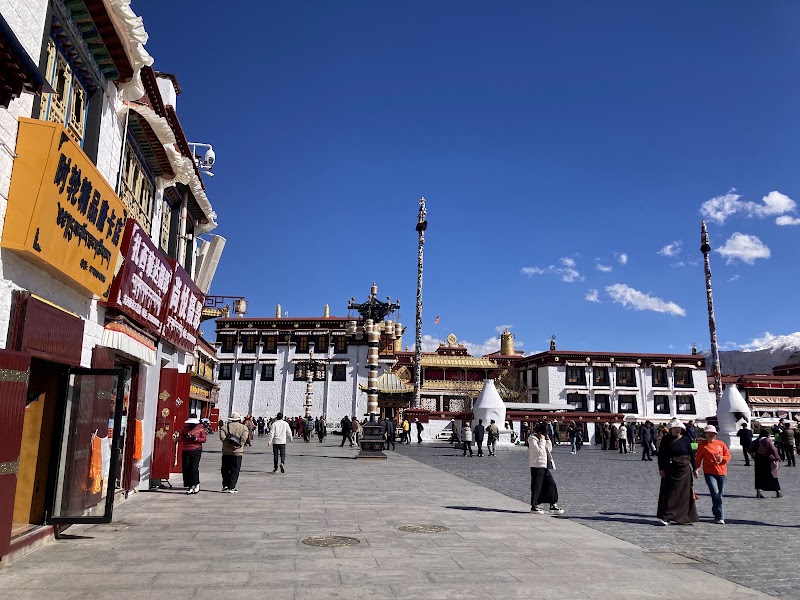
The legendary circular kora path encircling Jokhang Temple has pulsated with pilgrim devotion for over 1,300 years. Walking clockwise amidst murmuring pilgrims turning handheld copper prayer wheels and billowing white clouds of aromatic juniper smoke is the quintessential Lhasa moment. A The entire street is paved with smooth hand-polished flagstones worn mirror-smooth by millions of pilgrim prostrations through the centuries.
Free access. Security bag and passport checkpoint at perimeter gates. Strictly walk clockwise.
Altitude Acclimatization: You landed at 3,650 meters today. Strictly avoid jogging, climbing steps quickly, or drinking alcohol. Sip warm water or ginger tea continuously.
Temple Protocol: Inside Jokhang Temple and Ani Tsankhung, remove hats and sunglasses. Photography is strictly prohibited inside sacred inner chapels; photography is permitted in open courtyards and the Jokhang rooftop.
Clockwise Rule: Always circumambulate Barkhor Street, stupas, and temple shrines in a clockwise direction.
🍽 Where to eat
Guangming Kamqung Sweet Tea House (Shengli Road / Barkhor North Alley) — An iconic community tea house where locals gather over steamy cups of sweet Tibetan milk tea ( cha ngarmo ) and bowls of light broth noodles ( thukpa ). A gentle, warm lunch option that is easy on the stomach for your first afternoon at altitude. Near: Barkhor Street & Jokhang Temple.
Tibetan Family Kitchen (No. 1 Danjielin Road, Chengguan District) — Tucked in a cozy courtyard just off Barkhor, this welcoming venue serves comforting homemade Tibetan specialties. Known for its freshly steamed vegetable or yak momos and light potato stir-fries with mild spices. Reviews praise their hearty momos and warming thenthuk noodle soup, but check the seasonal specials on arrival. Near: Jokhang Temple & Barkhor Street.
🎁 Souvenirs
Barkhor Street Artisan Stalls (Barkhor Kora perimeter) — The small family-run booths along the south and east segments of Barkhor offer traditional hand-rolled Tibetan herbal incense ( Nimu incense), hand-carved yak-bone prayer beads, and woven wool carpets. Remember to walk clockwise as you browse.