
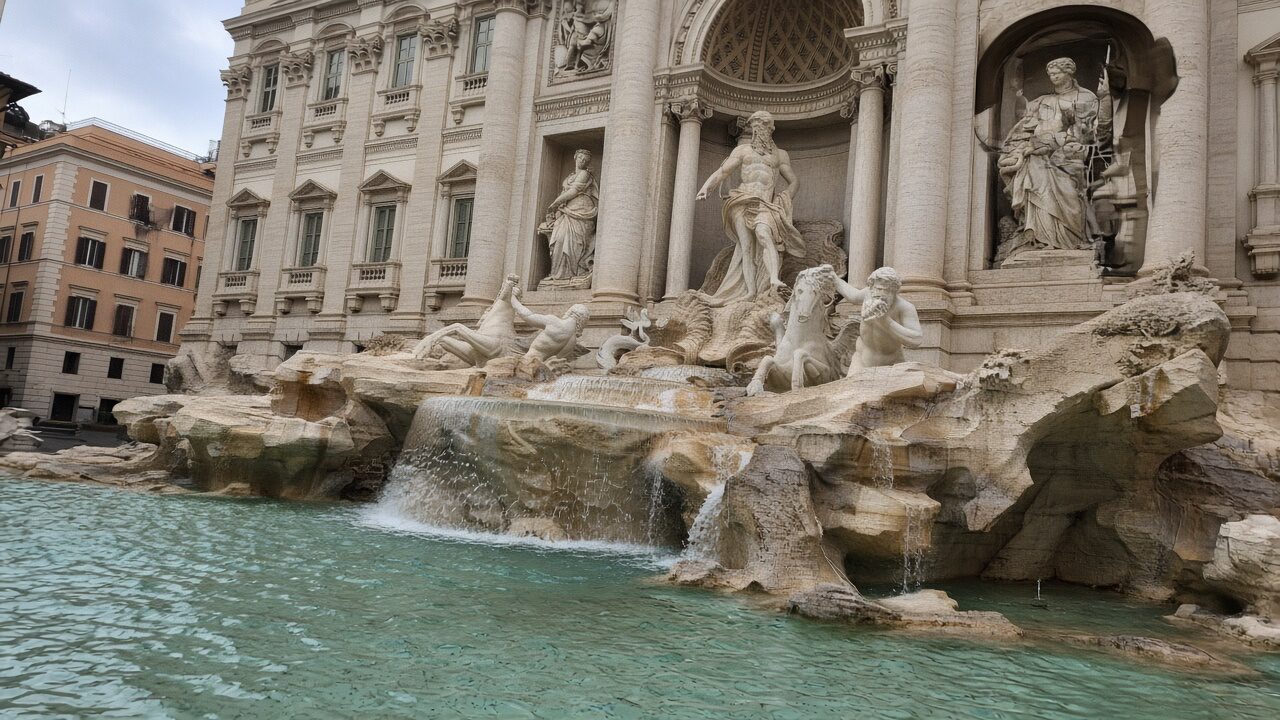
Dawn hush or floodlit evening theatre
Choose Trevi Fountain if the place itself matters to you, not merely because it appears on a checklist. The strongest visit centres on the lower basin viewpoint and the surrounding Baroque streets. It suits first-time visitors who are comfortable with a deliberate pace and a little advance planning.
Skip or shorten it if stairs, crowds, worship, conservation controls or a tightly timed day will make the experience stressful. A credible substitute is the quieter Acqua Paola fountain on the Janiculum. That is not a consolation prize: it may be the better choice for families, repeat visitors or anyone who values atmosphere over a headline landmark.
Walk from Barberini through Via del Tritone
Navigate to the pedestrian lanes from Via del Tritone; Barberini is the useful Metro A stop. Search by the official venue name rather than a nearby square or a reseller's meeting point. Public transport is usually more predictable than a taxi in the historic centre, but the final approach is often on foot.
Navigate to the pedestrian lanes from Via del Tritone; Barberini is the useful Metro A stop. For “Trevi Fountain Rome: best time to visit and nearby walking route”, follow that approach rather than a reseller's meeting pin: confirm the signed entrance and accessible route before joining a queue, because the nearest landmark may serve a different visitor flow.
The lower basin, the coin and civic rules
Allow twenty minutes early in the morning or a longer evening walk. Begin with the lower basin viewpoint and the surrounding Baroque streets; anything beyond that is optional. Eat before entering a controlled site or after leaving it, not during the narrow gap before a timed slot. Keep the rest of the day geographically compact.
A good sequence is arrival, the essential visit, a seated break, then one nearby neighbourhood. If energy drops, use the quieter Acqua Paola fountain on the Janiculum on another day instead of forcing both into one schedule. This produces a better trip than collecting rushed photographs from disconnected places.
Aqua Virgo meets the theatre of Palazzo Poli
The fountain is outdoors and free; access around the basin can change for maintenance or crowd control.
The fountain is outdoors and free; access around the basin can change for maintenance or crowd control. This is the booking condition that should control the “Trevi Fountain Rome: best time to visit and nearby walking route” decision. If it changes, rebuild the day around the official inventory or operating notice instead of paying for a loosely related product labelled as priority access.
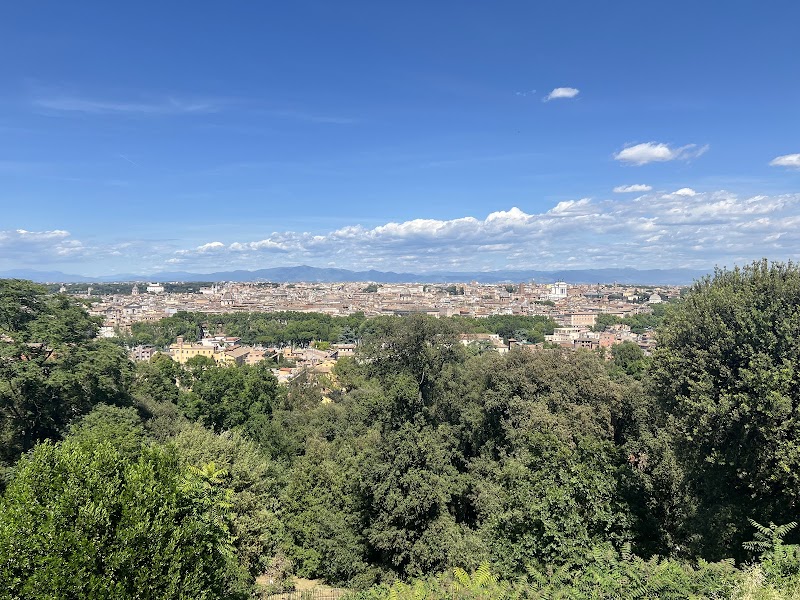
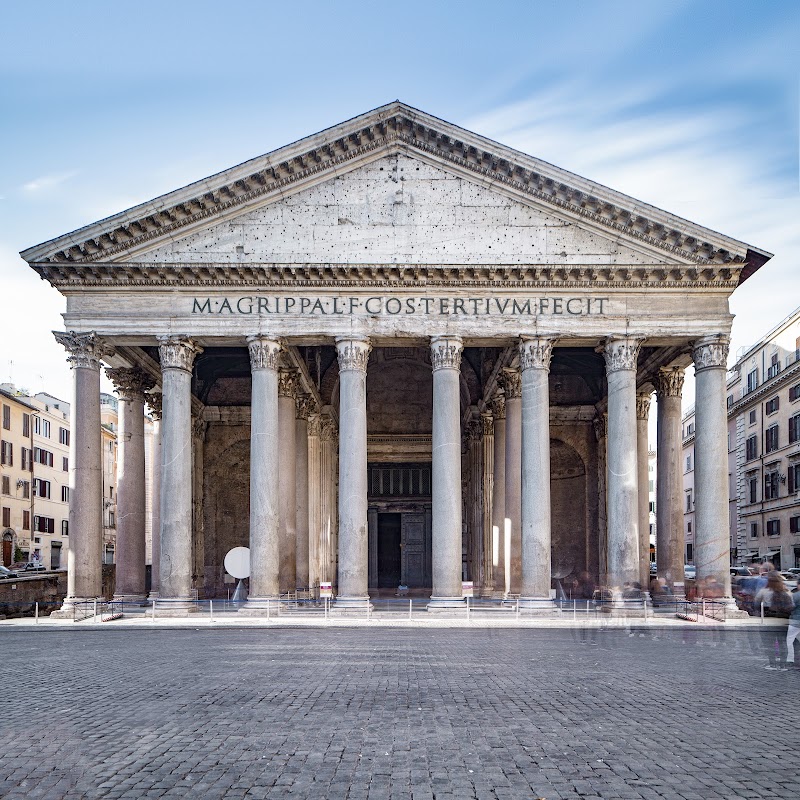
Choose one onward walk: Pantheon or Pincio
Pair Trevi Fountain with streets and food in the same district. Keep the next reservation flexible enough to absorb a delayed entrance, a ferry change or a child who needs a break. A hotel near the day's transport spine can be useful for an early start, but changing accommodation solely for this sight rarely saves enough time.
Allow twenty minutes early in the morning or a longer evening walk. Put “Trevi Fountain Rome: best time to visit and nearby walking route” before the nearby walk, meal or rest stop, and keep the next reservation in the same district. If the essential element is unavailable, use the article's named alternative rather than crossing the city simply to preserve the original map.
Pickpockets, wet stone and fake admission
The final go-or-no-go check for “Trevi Fountain Rome: best time to visit and nearby walking route” is specific: verify the approach described as “Navigate to the pedestrian lanes from Via del Tritone; Barberini is the useful Metro A stop.” and then re-read the current operating condition: The fountain is outdoors and free; access around the basin can change for maintenance or crowd control. Check the relevant local transport operator at the same time, since an open venue is not useful if its planned connection is disrupted.
Pack for the actual approach to “Trevi Fountain Rome: best time to visit and nearby walking route”: Navigate to the pedestrian lanes from Via del Tritone; Barberini is the useful Metro A stop. Choose a bag that works for that walk and any security control, then add weather protection for the exposed part of this route. If worship, steep surfaces or controlled interiors feature in the visit, follow the venue's current clothing, baggage and mobility guidance rather than a generic city checklist.
Before paying for “Trevi Fountain Rome: best time to visit and nearby walking route”, anchor the purchase to this verified point: The fountain is outdoors and free; access around the basin can change for maintenance or crowd control. Then protect the practical sequence — Allow twenty minutes early in the morning or a longer evening walk. A guided option is worthwhile when its interpretation or transport solves a real need; a different logo, meeting point or “skip” label alone does not justify the premium.
Where to stay
A convenient base can simplify an early start; compare location before price.
Build a route around this visit
A decision-focused guide to Trevi Fountain: where to enter, what deserves your time, what to do when plans change, and how to avoid treating a famous sight as the whole day.
Ready-made routes
Routes for your destination
Day-by-day plans you can adapt to your dates right away.

FAQ
How much time should I allow for Trevi Fountain?
Plan twenty minutes early in the morning or a longer evening walk. Add the journey separately and avoid a non-refundable booking immediately afterwards.
Do I need a ticket for Trevi Fountain?
No. It is an outdoor civic monument, though maintenance and crowd controls can change access to the basin.
What is the best fallback if the plan fails?
Choose the quieter Acqua Paola fountain on the Janiculum. It preserves the character of the day without paying a panic premium.
Which metro stop is useful?
Barberini on Metro A is practical, followed by a walk down Via del Tritone and through pedestrian lanes.