
Russia's Far East is a region of striking contrasts where harsh northern nature meets dense mixed forests. Travelers come for unique landscapes, active volcanoes, and rare animals in the wild. The climate diversity has shaped several distinct natural zones, each requiring a different approach to travel planning.
Before you book flights, decide which zone fits your trip: a tundra expedition, multi-day taiga trekking, comfortable ecotourism in Primorye, or a volcano ascent. For season and budget tips, see our best time to travel guide; for driving logistics, read the road trip across Russia guide.
Arctic deserts and tundra
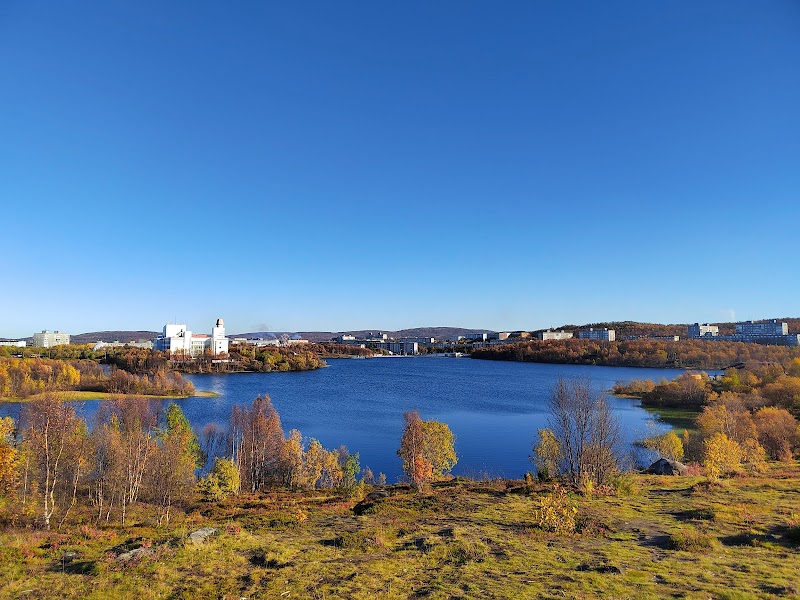
Northern Chukotka and Magadan Oblast are covered by Arctic deserts and tundra with a harsh climate. Vegetation is limited to mosses, lichens, and dwarf trees adapted to a short summer. Visitors come for ethnographic tourism and whale-watching expeditions.
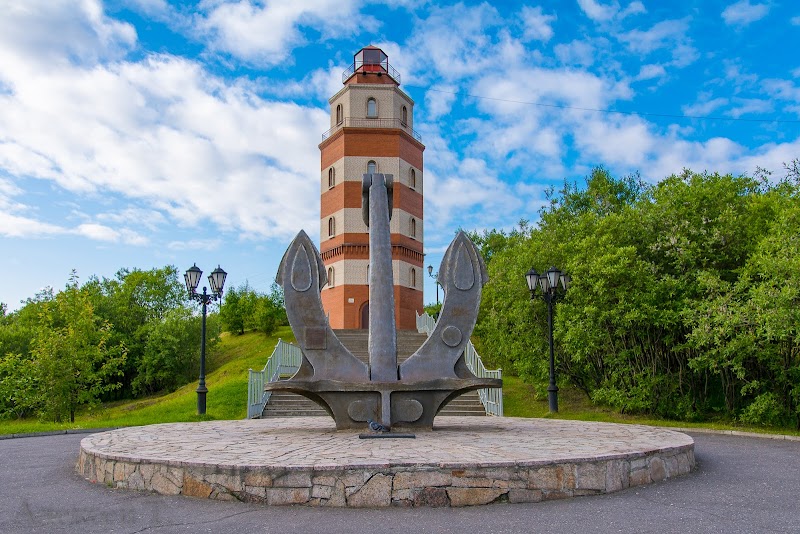
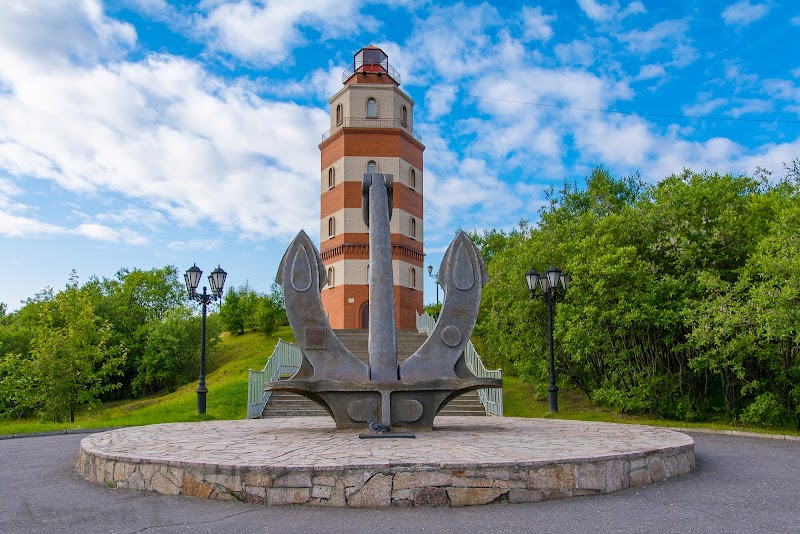
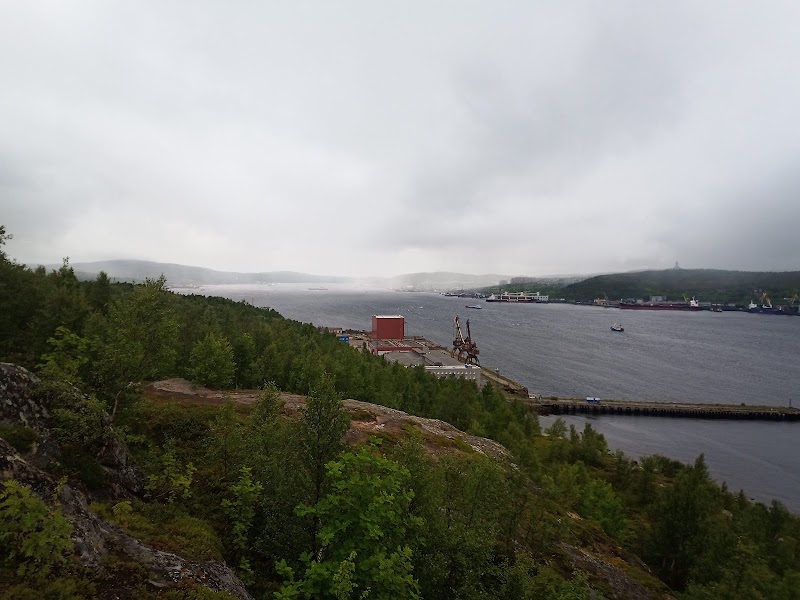
The season is short: comfortable travel runs from mid-June through August. Pack warm waterproof gear, food reserves, and book expedition tours early. For a more accessible northern comparison, try the one-day Murmansk itinerary — tundra and polar night, but easier logistics.
- Whale and seabird watching are the main draw.
- Flights are expensive — compare air tickets to the Far East early.
- Buy extended travel insurance for expeditions — clinics are far.
Far Eastern taiga
The taiga zone covers a huge share of the Far East, including Yakutia, Khabarovsk Krai, and Sakhalin. Endless coniferous forests — mostly larch, spruce, and fir — dominate the landscape. Multi-day trekking, river rafting, and expeditions to the Shantar Islands are the most popular formats.
Taiga demands time and gear: mosquito season, river crossings, and patchy cell service are normal. For a gentler forest intro, see the seven-day budget Karelia route. For offbeat Far East ideas, check our unconventional destinations guide.
- River rafting is the easiest way to see taiga without long trekking.
- Shantar Islands require separate expeditions — book transport months ahead.
- Carry a local SIM card and offline maps for forest areas.
Monsoon mixed forests
The south of the region, including Primorsky Krai, blends northern and southern flora. Dense conifers intertwine with wild vines; Amur tigers and Far Eastern leopards live in these forests. This warm zone has solid infrastructure for ecotourism and seaside holidays.
Vladivostok is the natural base: airport, hotels, restaurants, and parks. A ready-made option is the three-day Vladivostok history route. Book hotels in Vladivostok early — prices spike in season. Solo travelers will find our solo travel guide useful.
- Primorsky Reserve and Russky Island are first-visit classics.
- Best season: June–September; monsoon rains arrive in late summer.
- Sea trips and seafood tastings — via local excursions.
Altitudinal mountain belts
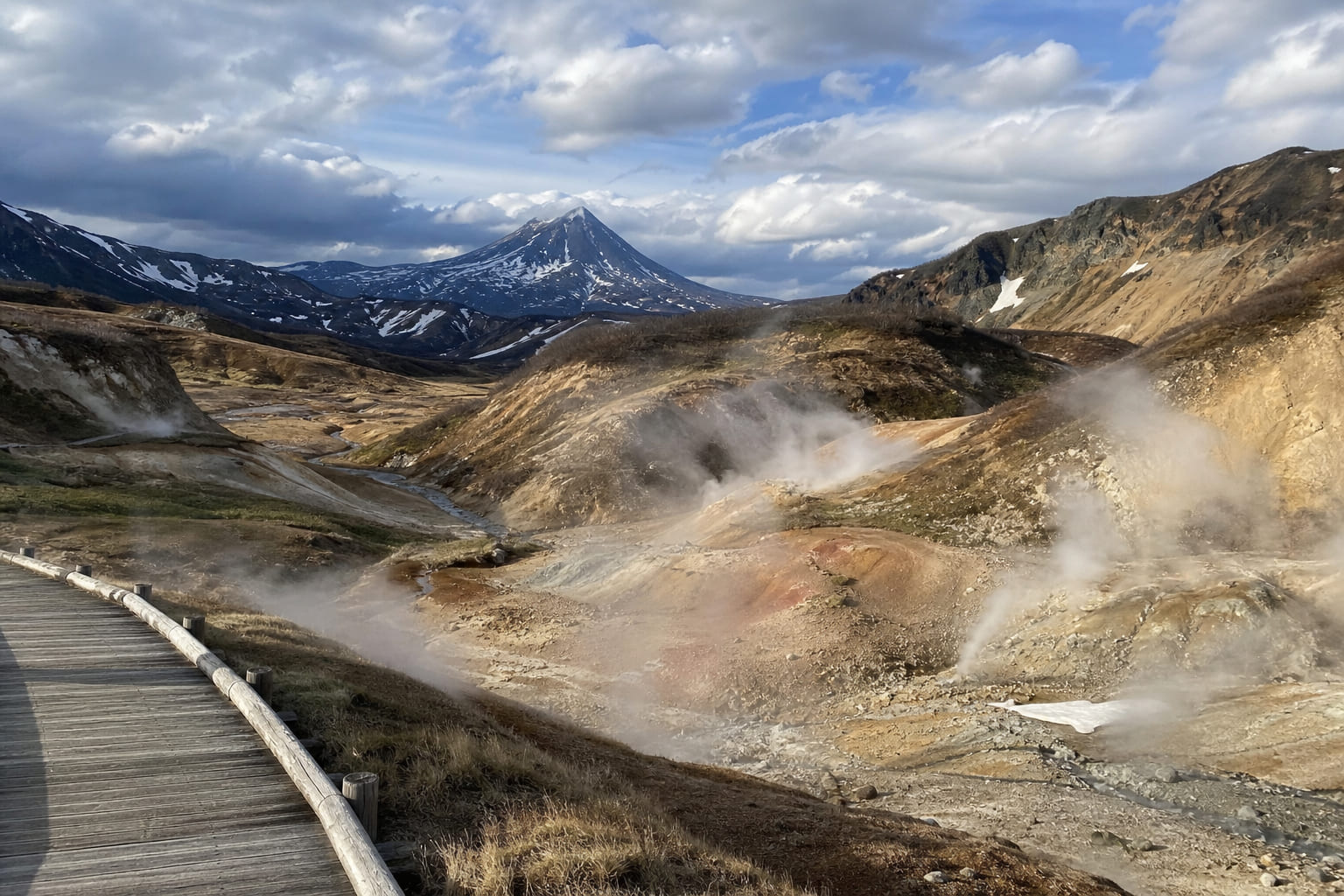
Kamchatka's mountain ranges create vertical landscapes: forests at the base, glaciers on the summits. Travelers see erupting geysers, hot springs, and active volcano ascents. Kamchatka trekking routes often cross lava fields and traces of recent eruptions.
Kamchatka is the most photogenic Far East zone — and the most demanding to plan. Road trippers can follow the seven-day Kamchatka driving route; budget travelers — the seven-day budget option. Spending tips are in our travel budget guide.
- Geyser Valley and Mutnovsky volcano are must-sees — check permits and season.
- Helicopter tours are costly; budget them as a separate line item.
- Pack swimwear for hot springs after active days.
How to pick a zone and build an itinerary
Do not mix all four zones in one trip — distances and flights will consume budget and time. Logical combos: Vladivostok + southern Primorye; Kamchatka as a dedicated 7–10 day block; Chukotka tundra only as a focused expedition. For contrast with European Russia, see the Golden Ring guide.
Pre-trip checklist
- Pick one main zone plus 1–2 backup activities for bad weather.
- Book flights and lodging early — options are limited on the Far East.
- Check the season: tundra, taiga, and volcanoes peak in different months.
- Build a day-by-day plan in AlpacaBag to see logistics at a glance.
Plan your Far East route with AI
Tell AlpacaBag your interests — volcanoes, taiga, sea, or expedition — and get a day-by-day itinerary with transfers, stops, and a PDF for the road.
Ready-made routes
Routes for your destination
Day-by-day plans you can adapt to your dates right away.
FAQ
What natural zones exist in Russia’s Far East?
Four main ones: Arctic deserts and tundra in the north (Chukotka, Magadan), Far Eastern taiga in the center (Yakutia, Khabarovsk Krai, Sakhalin), monsoon mixed forests in the south (Primorsky Krai), and Kamchatka’s altitudinal belts with volcanoes, geysers, and glaciers.
When is the best time to visit the Russian Far East?
It depends on the zone: tundra and Arctic — June through August; taiga — May through September; Primorye — June through October; Kamchatka trekking — July through September. Winter opens whale-watching and aurora expeditions, but logistics are harder.
Can you travel independently or do you need a tour?
Vladivostok and southern Primorye work well for independent travel: airports, hotels, and excursions are available. For tundra, the Shantar Islands, and parts of Kamchatka, vetted expeditions or advance permits are safer.
How do you plan a route across several zones?
Do not try to cover everything in one trip — distances and flights eat budget and time. Pick one or two zones, add buffer days for weather, and use AlpacaBag to build a day-by-day itinerary with logistics.