
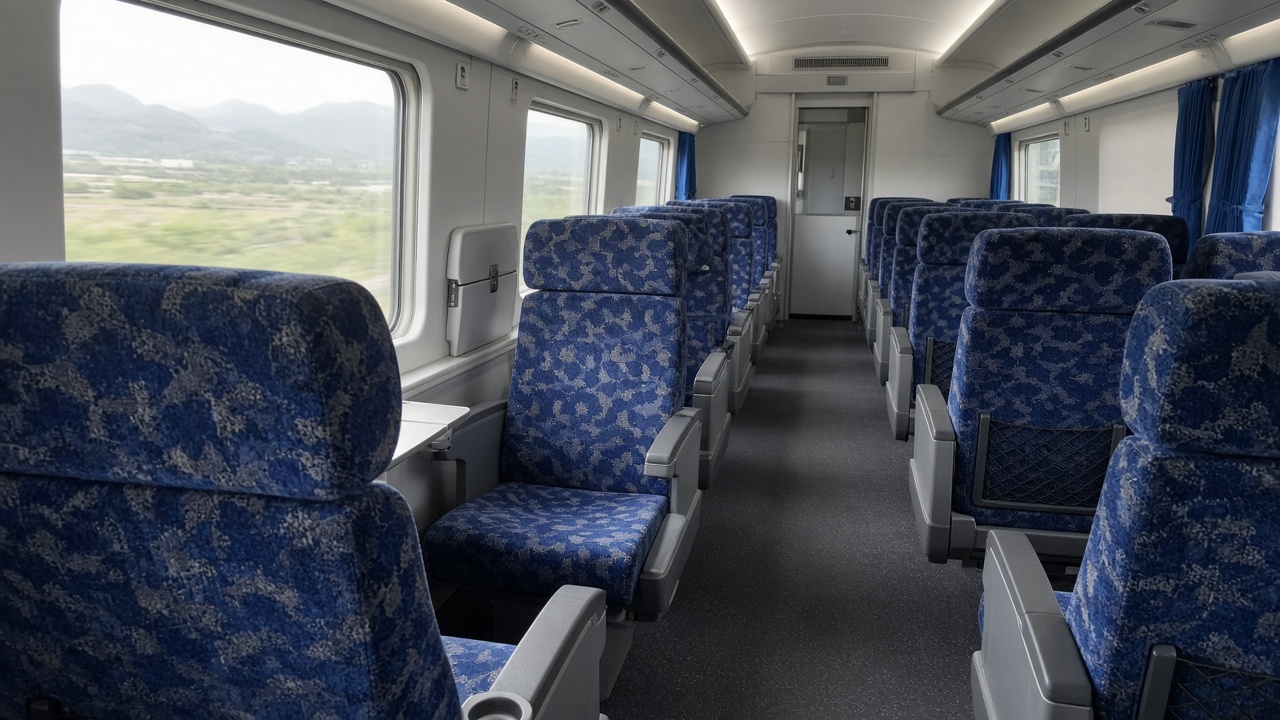
When high-speed rail beats flying
Between cities roughly 2–6 hours apart by G-train, rail usually wins: city-centre stations, no long airport security buffers, and seats you can work or sleep in. Flying still makes sense for overnight ultra-long hops or when the rail station is far from your hotel.
If you are still choosing cities, start with our which China city to choose guide, then stitch legs by train rather than booking every hop as a flight. For a full trip outline, see also China trip planning.
Book the inbound flight into China first, then lock rail seats on busy holiday weeks before you compare hotels near the arrival station.
G, D, C trains and speeds
China Railway labels matter more than marketing names. G trains are the core high-speed fleet (often 300–350 km/h on dedicated lines). D services are still fast but usually slower and sometimes stop more often. C trains are typically shorter regional links.
Do not confuse this network with the Shanghai Maglev: that airport shuttle runs only between Pudong Airport and Longyang Road and is not a China Railway intercity G-train.
- Second class is the default tourist seat; first class adds width and quieter cars.
- Business class is scarce—book early if you need it.
- Always match the station name (e.g. Shanghai Hongqiao vs Shanghai Station).
Where to buy tickets
Official sales run through 12306.cn and station counters or machines. Enter the passport exactly as printed. Same-day walk-up tickets exist off-peak, but holiday corridors sell out days ahead.
Foreigners often use Trip.com or another passport-friendly reseller when the official English flow fails. Buy official rail without an affiliate link; use an intermediary only when it names the train number, origin, destination, and cancellation terms. The same passport pattern appears in our Suzhou day-trip from Shanghai and how to get to Lijiang guides.
- Save the order number and train number offline—station Wi‑Fi can be slow.
- Arrive with the original passport used in the booking.
- If apps fail, staffed counters can often reissue against your passport.
Baggage rules that matter
China Railway publishes size and weight limits that can change. Treat any blog kilogram figure as dated advice: recheck baggage wording on 12306 for your train type and date. In practice, one medium suitcase that fits the overhead rack or the end-of-car area plus a daypack works for most tourists.
- Keep liquids and power banks accessible for security screening.
- Oversized sports gear, instruments, or folding bikes need a rules check before travel.
- Label bags; busy holiday trains fill the luggage recesses quickly.
- Pair rail with a working China eSIM so you can show the ticket QR without hunting café Wi‑Fi.
Key corridors and travel times
Times below are typical daytime G/D ranges checked against common schedules on 26 October 2026—not a promise for every service. Always pick the exact train in 12306.
| Corridor | Typical time | Notes |
|---|---|---|
| Beijing – Shanghai | ~4.5–6 h | Flagship G-services; book early on holidays |
| Shanghai – Hangzhou | ~1–1.5 h | Easy day-trip add-on from Shanghai |
| Shanghai – Suzhou | ~25–45 min | Confirm Suzhou vs Suzhou North station |
| Beijing – Harbin | ~4.5–7 h | Useful winter ice-festival routing |
For Hangzhou sightseeing after the short hop from Shanghai, use the Hangzhou West Lake guide.
Stations, security, and timing
Mega-stations such as Beijing South, Shanghai Hongqiao, and Guangzhou South are shopping-mall sized. Follow bilingual signs to the ticket check, then the waiting hall, then the platform gate that matches your train number—not the first gate you see.
- Arrive 45–60 minutes early; 90 minutes on peak holidays.
- Security screens bags; keep the passport ready for the ticket barrier.
- If you visit Beijing sights after arrival, the Great Wall transport guide covers the next transfer day.
Add travel insurance that covers missed connections if your itinerary stacks same-day rail and flights.
Where to stay near the rails
Sleeping one night beside Hongqiao or Beijing South can save a dawn taxi across town. Filter for metro access to the station you actually depart from, then compare stays with hotel search.
Build the day around your pace
Drop Beijing, Shanghai, and the rail legs into one itinerary so station transfers stay realistic.
Ready-made routes
Routes for your destination
Day-by-day plans you can adapt to your dates right away.

Frequently asked questions
Do foreigners need a passport to ride China high-speed trains?
Yes. China Railway uses real-name tickets. Carry the original passport that matches the booking; a photo or copy may not pass a manual check at the gate.
Is 12306 or Trip.com better for buying China train tickets?
12306.cn is the official China Railway channel. Trip.com and similar platforms help when the official English flow fails for a foreign passport—use them only if they show the exact train number, date, and stations.
How much baggage can I take on a China high-speed train?
Limits change by service and season. As a working rule, keep one manageable suitcase plus a cabin bag, avoid oversized sports gear without checking rules, and reconfirm baggage limits on 12306 for your travel date.
How early should I arrive at the station?
Plan 45–60 minutes before departure at large hubs such as Beijing South or Shanghai Hongqiao: security, ticket check, and long walks between halls take time. Add more on Chinese public holidays.
Is the Shanghai Maglev the same as a China Railway G-train?
No. The Maglev is a short airport link between Pudong and Longyang Road. Intercity high-speed travel uses China Railway G/D/C trains booked through 12306.
How long is Beijing to Shanghai by high-speed train?
Direct G-class services usually take about 4.5–6 hours depending on stops. Treat published schedules as a dated check and confirm the live 12306 result before you lock hotels or flights.